How to Choose the Best Backpack for Hiking and Outdoor Use
The best backpack for hiking and outdoor use is the one that fits the trip, carries comfortably, and keeps your essential gear easy to manage. A short walk, a long day outdoors, and a mixed-use weekend trip do not all demand the same pack. The best choice usually becomes clearer once you start with the outing itself instead of the product list.
Key takeaways
- Choose a backpack based on the real demands of your trip, not the maximum volume you might theoretically need.
- For simple day outings, a compact and structured day pack is usually more effective and comfortable than a larger half-empty system.
- Good organization matters because your essential gear should stay easy to reach without dumping the whole bag.
- A pack that stays stable while walking is more valuable than one that simply offers more features or extra pockets.
- Avoid overpacking just because you have space. Extra volume often becomes extra weight and wasted movement.
Start with the outing
Before looking at backpacks, think about the real use case. Are you doing short day walks, longer hikes, mixed outdoor trips, or something that includes more gear for food, warmth, and weather protection? The more honest you are about the trip, the easier it is to choose the right pack.
This matters because a bag that works beautifully for a short walk may feel wrong for a full day in changing weather. On the other hand, a larger and more structured pack can feel unnecessary if your normal outdoor use is light and simple. The better you define the actual outing, the better the pack choice becomes.
Situation 1: short hikes and light outdoor use
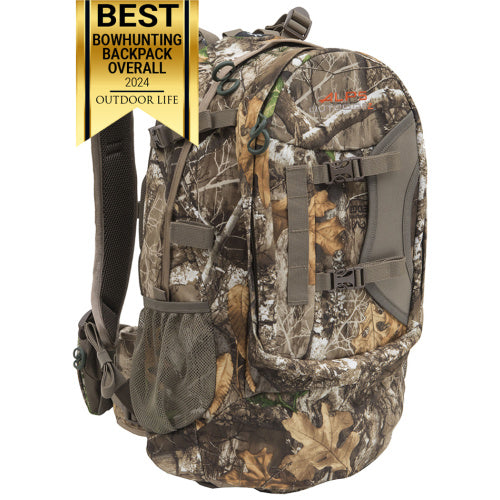
If your typical outing is light and simple, a compact pack is often the best answer. In this situation, comfort and quick access matter more than large volume. A smaller, cleaner pack usually feels better than carrying unnecessary bulk.
For this kind of use, a compact day pack makes the most sense when you want a lighter carry setup that still gives you enough room for the basics. You are not buying for a theoretical expedition. You are buying for the outing you actually do most often.
Situation 2: fuller day trips with more layers and food
If you regularly carry more clothing, food, water, or small support gear, then a more structured day pack makes more sense. Here, the right pack is the one that gives you better organization and carry comfort without becoming oversized.
For longer or more gear-heavy outdoor use, it usually makes more sense to choose a pack with a bit more structure and usable space while still keeping the carry practical for a full day out. The goal is not to carry everything. The goal is to carry the right amount well.
Situation 3: outdoor use that overlaps with overnight or comfort gear
Some outdoor trips go beyond a simple hike. If the day may stretch longer, or if comfort gear matters more, then the wider system becomes important too. Water, a hot drink, extra insulation, or even sleep support may all become part of the decision.
That is why products from Esbit, Klymit, and Snugpak can fit naturally into this topic when the trip includes more than just the backpack itself. The pack does not exist in isolation. It supports a broader outdoor system.
What makes a good hiking and outdoor backpack?
- Comfort: the pack should carry well for the time you are actually out.
- Right-sized volume: enough room for the trip, but not wasted bulk.
- Useful organization: key gear should be easy to reach.
- Practical movement: the pack should support walking, not fight it.
A good outdoor pack should help your day feel easier, not more complicated. If it shifts too much, rides badly, or turns every small access task into a full unpacking session, it is probably the wrong fit for the job.
Why comfort matters more than feature count
Many people compare outdoor packs by pockets, straps, and extra details first. Those features matter, but they matter less if the basic carry is wrong. A pack that feels awkward on the shoulders or unstable on uneven ground quickly becomes annoying no matter how many clever compartments it has.
When the outing lasts several hours, the core questions are simple: does the pack ride well, stay balanced, and move naturally with your body? If the answer is yes, you are already much closer to the right choice than if you start with feature lists alone.
Common mistake: buying for the biggest possible trip
One of the most common mistakes is choosing a backpack based on the biggest trip you imagine instead of the trips you actually do. In practice, that often means carrying more weight and more bulk than necessary on normal outings.
A larger bag changes how you pack. Empty space encourages unnecessary extras, and those extras usually do not improve the outing. For many people, the better choice is the pack that fits the most common real trip instead of the rare maximum-load scenario.
How to think about size and organization together
Size and organization should be judged together, not separately. A slightly smaller bag with a better layout often works better than a larger bag with a poor one. That is because good access reduces frustration, keeps you moving, and makes the whole day more efficient.
Think about the gear you reach for most often. Water, food, layers, gloves, navigation, and small tools should not disappear into one deep compartment. A good layout lets you work naturally instead of turning every stop into a search.
What if your outdoor use changes a lot?
If your trips vary widely, then the best answer is often a pack with enough flexibility to handle most of your outings without becoming excessive on the simpler ones. That usually means a practical day-pack format with enough structure to carry comfort items while still feeling manageable on short use.
If your trips regularly move beyond basic hiking into longer and heavier carry days, it may also help to compare this article with What Should You Look For in a Pack for Longer Bowhunting Trips? and How to Choose the Best Backpack for One-Day Trips. That comparison makes it easier to judge whether you need more carry structure or just a better everyday outdoor pack.
The practical answer
The best backpack for hiking and outdoor use is the one that matches your normal trip profile. Start with the real outing, choose the size and structure that fit it, and treat the pack as a tool for that job rather than a solution for every possible trip at once.
For some users that means a lighter and simpler day pack. For others it means a more structured pack with room for extra layers and support gear. The right answer becomes much clearer when you start with the outing instead of the product list.
FAQ
Do I need a large backpack for normal hiking?
Usually not. Many people do better with a smaller, more manageable pack for normal day use.
Can a hunting-style pack work for outdoor use too?
Yes, if the size, layout, and comfort fit the outing well. The most important thing is that the pack matches the real use case.
What support gear matters most on longer outdoor days?
Water, food, insulation, and weather-support items matter most for many outings. The right pack should carry those comfortably without becoming oversized for the day.