

If you are building a practical concealment setup, the right blind material depends less on hype and more on where you hunt, how much cover you need, and how fast you need the setup to go up. This Hunters Specialties blind material guide focuses on simple US-market use cases: breaking up a treestand outline, covering a basic duck blind, or adding fast concealment to a field edge, boat, or ATV. The main choice is usually between plain camo burlap, leafy blind material, and lighter netting.
- Key takeaway: Burlap works well when you want basic visual breakup with a natural look and simple coverage.
- Key takeaway: Leaf blind material adds more texture and depth when you need a fuller brushed-in effect.
- Key takeaway: Camo netting is useful when airflow, visibility, and lighter coverage matter more than a heavy visual wall.
What blind material is best for your setup?
For most hunters, the best option is the one that matches the environment and the structure underneath it. A ladder stand in early-season timber needs a different kind of concealment than a marsh-side duck blind. Thick material can help hide hard edges, but too much material can also make a setup noisy, bulky, or awkward to shoot from. A good blind material should reduce your outline, blend with the background, and still let you hunt comfortably.
That is why these Hunters Specialties options make sense as a practical range. You have one simple burlap option, several leafy blind material options in different patterns and lengths, and one netting option for lighter concealment. None of them replaces good setup discipline, natural brushing, or careful movement, but each can make a basic setup easier to hide.
When camo burlap makes the most sense

Why camo burlap is a good starting point
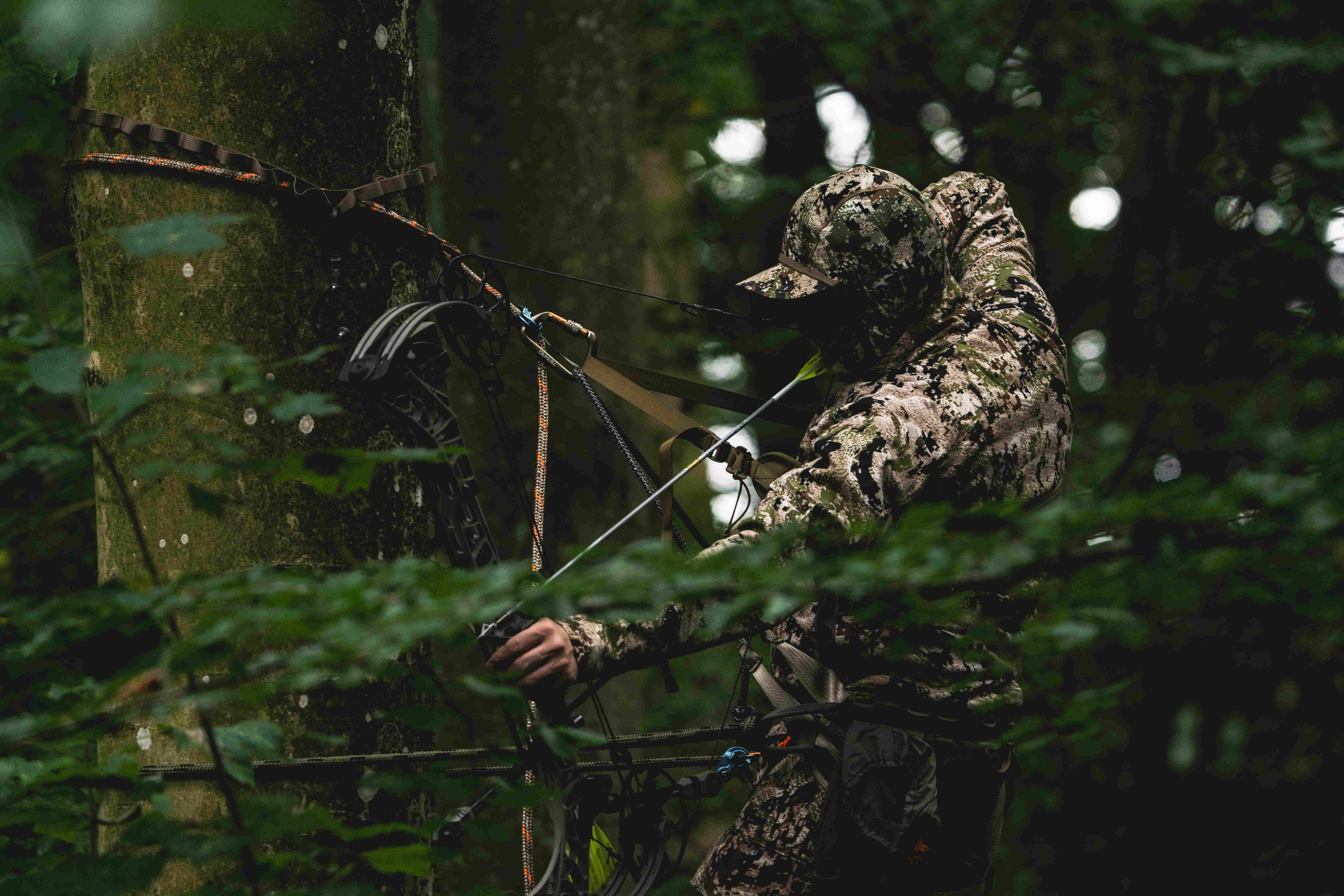
Plain camo burlap is often the easiest place to start because it is straightforward. The Hunters Specialties Burlap 54IN X 12 FT Realtree Edge is a practical fit when you want to cover a ladder stand rail, hide a treestand silhouette, or add visual breakup to a small ground setup without overcomplicating the job.
This style of material makes sense when your main goal is to soften the hard shape of metal, plastic, or straight lines. It is also useful for hunters who already plan to add local brush, grass, or cut branches on top of the base layer. In that kind of setup, burlap works as the foundation rather than the whole blind by itself.
A simple 54-inch by 12-foot roll can be enough for modest projects, especially if you are covering only the front or side profile that game is most likely to see. For treestands, that often means wrapping just enough material to break your outline while leaving a clean shooting window. For waterfowl use, it can help hide a small boat edge or add quick camouflage to a brushed-in frame.

When leafy blind material is the better choice
If you want more texture and depth than flat burlap usually gives, leafy blind material is the better fit. The die-cut leaf pattern helps create a more broken outline, which matters when your blind sits in cover with branches, weeds, or timber behind it. That layered look is useful when you want the setup to disappear into existing vegetation instead of looking like a covered frame.
The Hunters Specialties Leaf Blind 56 IN X 12 FT Realtree Edge is a sensible option for treestands or dry-ground setups where woodland cover is the main background. It is long enough for compact projects and helps create a more natural-looking screen around stand rails, seat backs, or ground blind frames.
For marsh edges, cattail lines, and duck blind use, the pattern matters. The Hunters Specialties Leaf Blind 56 IN X 12 FT Realtree Max-5 wetlands camo is the more relevant short-roll option when your background is wetter, lighter, and more open than a wooded whitetail setting. If you need more coverage for a larger blind wall or a longer brushed-in run, the Hunters Specialties Leaf Blind 56 IN X 30 FT Realtree Max-5 wetlands camo gives you more length to work with in one piece.
The longer 30-foot version is especially practical when you want fewer joins and less patchwork. That can help on longer duck blind frames, shallow pit-style concealment, or simple field-edge structures where continuous coverage is easier to manage than multiple shorter sections.

When camo netting is the smarter option
Netting works best when you want concealment without creating a heavy visual wall. The Hunters Specialties Netting 54 IN X 12 FT MAX 5 is a good example of that lighter approach. It is described as suitable for hiding a tree stand or ground setup and as a fit for duck blind building, which makes it one of the more flexible options in this group.
For many simple field setups, netting is easier to work with than thicker material because it conceals while still letting you see through openings and keep air moving. That can matter on warmer hunts, on exposed blind frames, or in situations where full solid coverage would make the setup too dark or too enclosed. It can also serve as a top layer over brush or other material when you want more breakup without too much added bulk.
Treestand use: how much cover is enough?
For treestand hunting, the goal is usually not to wrap the whole stand like a tent. Too much material can limit shot angles, catch wind, or make access awkward. A better approach is to hide the parts that give away your position first: rail lines, seat profile, and the shape of your body when seated.
In wooded areas, the Realtree Edge leafy material is often the most natural fit because it gives more dimension around the stand. If you want a simpler base layer that you can brush in later, the burlap version is still a practical choice. If you hunt a more open edge or want less enclosed coverage, the MAX-5 netting can keep the stand from standing out without making the platform feel boxed in.
Duck blind use: match the pattern and the footprint
Duck blinds usually reward a more habitat-specific choice. Wetlands patterns make the most sense when the blind sits around reeds, marsh grass, mud banks, or shallow-water cover. For smaller temporary builds, a 12-foot roll can be enough. For bigger blinds or longer side coverage, a 30-foot roll can save time and make the finished setup look cleaner.
If the frame is already solid and you mainly need a patterned outer layer, the MAX-5 leafy blind material is a strong fit. If the blind needs lighter coverage that will not feel too closed off, the MAX-5 netting is worth a look. In both cases, local natural vegetation still matters. Blind material works best when it supports the environment instead of trying to replace it.
How to choose between these five Hunters Specialties options
- Choose burlap if you want the most basic, straightforward cover for a treestand, boat edge, or utility concealment job.
- Choose 56 IN X 12 FT Realtree Edge leafy material if you hunt timber and want more texture for a compact stand or blind project.
- Choose 56 IN X 12 FT MAX-5 leafy material if you need short-run wetlands concealment for a duck blind or marsh setup.
- Choose 56 IN X 30 FT MAX-5 leafy material if you need more continuous coverage for a longer blind wall or larger build.
- Choose MAX-5 netting if you want lighter concealment that does not fully close off the setup.
Recommended gear from this guide
- Hunters Specialties Burlap 54IN X 12 FT Realtree Edge for simple stand or boat concealment.
- Hunters Specialties Leaf Blind 56 IN X 12 FT Realtree Edge for wooded treestand and ground setups.
- Hunters Specialties Leaf Blind 56 IN X 12 FT Realtree Max-5 wetlands camo for shorter duck blind builds.
- Hunters Specialties Leaf Blind 56 IN X 30 FT Realtree Max-5 wetlands camo for larger wetlands concealment projects.
- Hunters Specialties Netting 54 IN X 12 FT MAX 5 for lighter, breathable concealment.
Conclusion
The best blind material is usually the one that solves your setup problem with the least fuss. If you need a simple base layer, camo burlap is a practical starting point. If you need more visual texture, leafy blind material usually blends better into natural cover. If you want lighter concealment for a duck blind or open setup, camo netting is often the smarter answer. The Hunters Specialties range in this guide gives you a usable spread of options without forcing one material into every hunting situation.
FAQ
Is leafy blind material better than burlap for treestands?
Not always. Leafy material usually gives more texture and a more broken outline, which can help in wooded cover. Burlap is still useful when you want simpler coverage and plan to add natural brush yourself.
What is the difference between MAX-5 and Realtree Edge in this lineup?
In practical terms, Realtree Edge fits wooded setups better, while MAX-5 is the better match for wetlands and duck blind use. The right choice depends on the background you are trying to blend into.
Is 12 feet enough for a duck blind?
It can be enough for a small blind or partial coverage. If you are wrapping a longer frame or want a cleaner continuous wall, the 30-foot leafy blind material is the safer choice.
Can camo netting work on a treestand?
Yes. Netting can help reduce the stand's outline while keeping the setup lighter and less enclosed than heavier blind material. It is especially useful when you do not want full solid coverage.

