
How to Choose Climbing Sticks for Saddle Hunting
If you are trying to choose climbing sticks for saddle hunting, the main question is not which setup looks the most advanced. The real question is which one helps you climb with confidence, pack the system cleanly, and hunt without turning the whole process into a gear puzzle. For most hunters, especially beginners, the right climbing sticks are the ones that make the climb feel predictable and manageable from the first practice sessions onward.
Key takeaways
- Beginners usually do better with a straightforward climbing-stick setup before moving into more specialized minimalist systems.
- The right choice depends on your balance between confidence, packability, climbing height, and system simplicity.
- Step count and platform feel matter because they influence how natural the climb feels in real hunting conditions.
- A more compact setup is not always the best first setup if it makes the learning curve steeper than it needs to be.
- The best climbing sticks are the ones that fit the whole saddle system instead of working against it.
Why climbing-stick choice matters so much
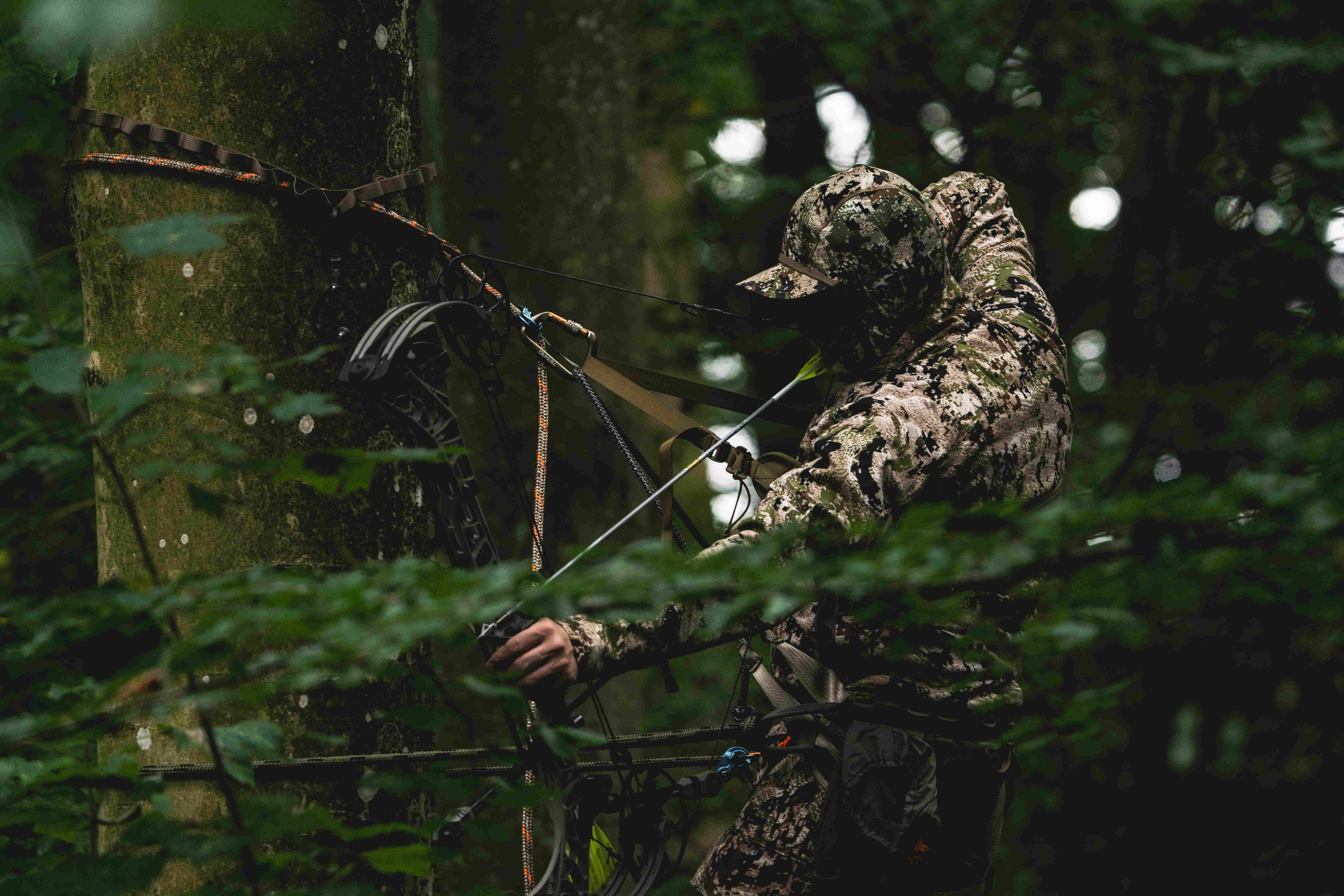
In saddle hunting, the climb is part of the whole hunting experience, not just a short step before the real work starts. If your climbing sticks feel awkward, unstable, or annoying to carry, that frustration affects the entire hunt. A good set of sticks helps the system feel more repeatable from the moment you leave the truck to the moment you settle into position.
That is why climbing-stick choice matters more than many people expect. Sticks shape not just your height and route up the tree, but also how compact the setup feels, how quickly you can get into position, and how much trust you have in the climb itself.
Relevant products:

What beginners should prioritize first
For beginners, the best climbing sticks are usually not the lightest or most specialized ones. They are the sticks that make the climb feel straightforward. That usually means a setup with a clear step rhythm, enough support underfoot, and a carry format that does not create extra frustration before you even reach the tree.
If the first setup feels too technical, many new saddle hunters spend more time second-guessing the climb than learning the hunt. That is why a beginner-friendly system often beats an ultra-minimalist one in the early stages.
The three things beginners should prioritize are:
- Confidence: the sticks should feel easy to trust while climbing.
- Repeatability: the movement pattern should make sense from hunt to hunt.
- Reasonable packability: compact enough to carry, but not so minimalist that it makes the learning curve much harder.
Relevant products:

How many steps and how much height do you need?
One of the first practical differences between climbing sticks is how they influence your climbing rhythm and total route up the tree. Some hunters prefer a simpler and more compact setup, while others want more step support and a slightly more forgiving feel on the climb.
For a beginner, this often comes down to one basic question: do you want the most compact system possible, or the system that feels easiest to understand right now? If the answer is confidence, a slightly less minimalist setup often makes more sense.
That is not because compact systems are bad. It is because they can demand more adaptation at the exact stage where many hunters need the opposite.
Relevant products:
Packability matters, but not at the cost of confidence
One reason hunters get excited about mobile systems is the idea of carrying less bulk. That matters, but packability should be judged honestly. A system that looks compact on paper can still be the wrong first choice if it makes the climb feel less natural or less controlled.
In real hunting, the better setup is usually the one that balances compact carry with enough trust in the climb. That is why some hunters stay with a more traditional stick setup even when more advanced minimalist options are available. They care more about dependable field use than about shaving every possible ounce from the carry.
Think about the sticks as part of the full system
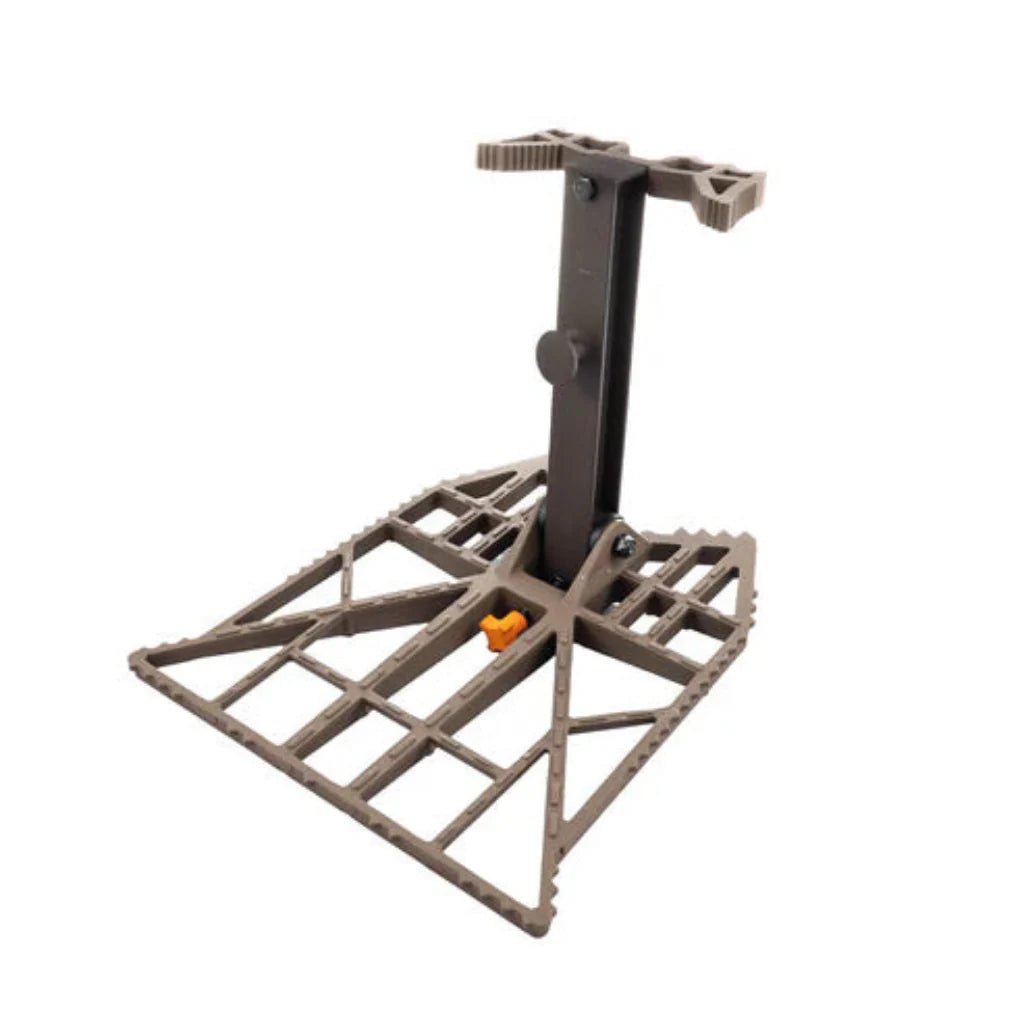
Climbing sticks should never be judged alone. They work as part of the full saddle system: saddle, platform, tether position, and the way you organize gear once you are in the tree. A good set of sticks should support that full setup rather than force awkward compromises.
If you are still shaping the rest of the system, it also helps to compare this article with Beginner Saddle Hunting Setup, One-Sticking vs Climbing With Several Sticks, and How to Choose a Saddle Platform for Beginners.
Common mistakes when choosing climbing sticks
The most common mistake is choosing a setup for the version of yourself you hope to become instead of the hunter you are right now. A system that looks extremely mobile and efficient in a video may not be the right first setup if it makes the learning curve much harder.
Other common mistakes include:
- buying for minimum weight only
- ignoring how the climb actually feels underfoot
- treating the sticks as separate from the rest of the setup
- chasing compactness before mastering the basics
The best first climbing-stick choice often feels more practical than exciting. That is usually a good sign.
The practical answer
So how should you choose climbing sticks for saddle hunting? Start with the set that gives you the clearest balance of confidence, repeatability, and practical carry for the kind of hunt you actually do. For many beginners, that means a more straightforward multi-stick setup before chasing more specialized minimalist options.
Once the climb feels natural, the rest of the saddle system starts to make more sense. That is why the right stick choice can have such a big effect on the whole learning curve.
FAQ
What climbing sticks are best for beginner saddle hunters?
For most beginners, the best sticks are the ones that feel stable, predictable, and easy to repeat rather than the most minimalist setup on the market.
Should I choose the lightest climbing sticks possible?
Not always. Lightweight is useful, but it should not come at the cost of confidence and a manageable learning curve.
Are climbing sticks more beginner-friendly than one-sticking?
Usually yes. Many hunters find a multi-stick route easier to understand before moving toward more specialized one-stick systems.