How to Choose the Best Backpack for Bow Hunting
The best backpack for bow hunting depends on how you hunt, how much gear you carry, and how far you move with it. A good bowhunting pack should help you carry the essentials quietly and comfortably without getting in the way of the bow. The right choice is usually not about finding the pack with the most features. It is about finding the pack that fits your real hunting situation.
Key takeaways
- Choose a backpack based on your actual hunting style and trip length, not just on maximum storage capacity.
- A well-organized pack is often more useful than a larger one because access matters as much as room.
- The pack should work with your bow movement and terrain instead of adding bulk and friction.
- High-use gear often belongs in easier-access locations, not buried in the main compartment.
- The best bowhunting backpack is the one that fits the hunt you do most often, not the biggest possible outing.
Start with the hunt, not the pack
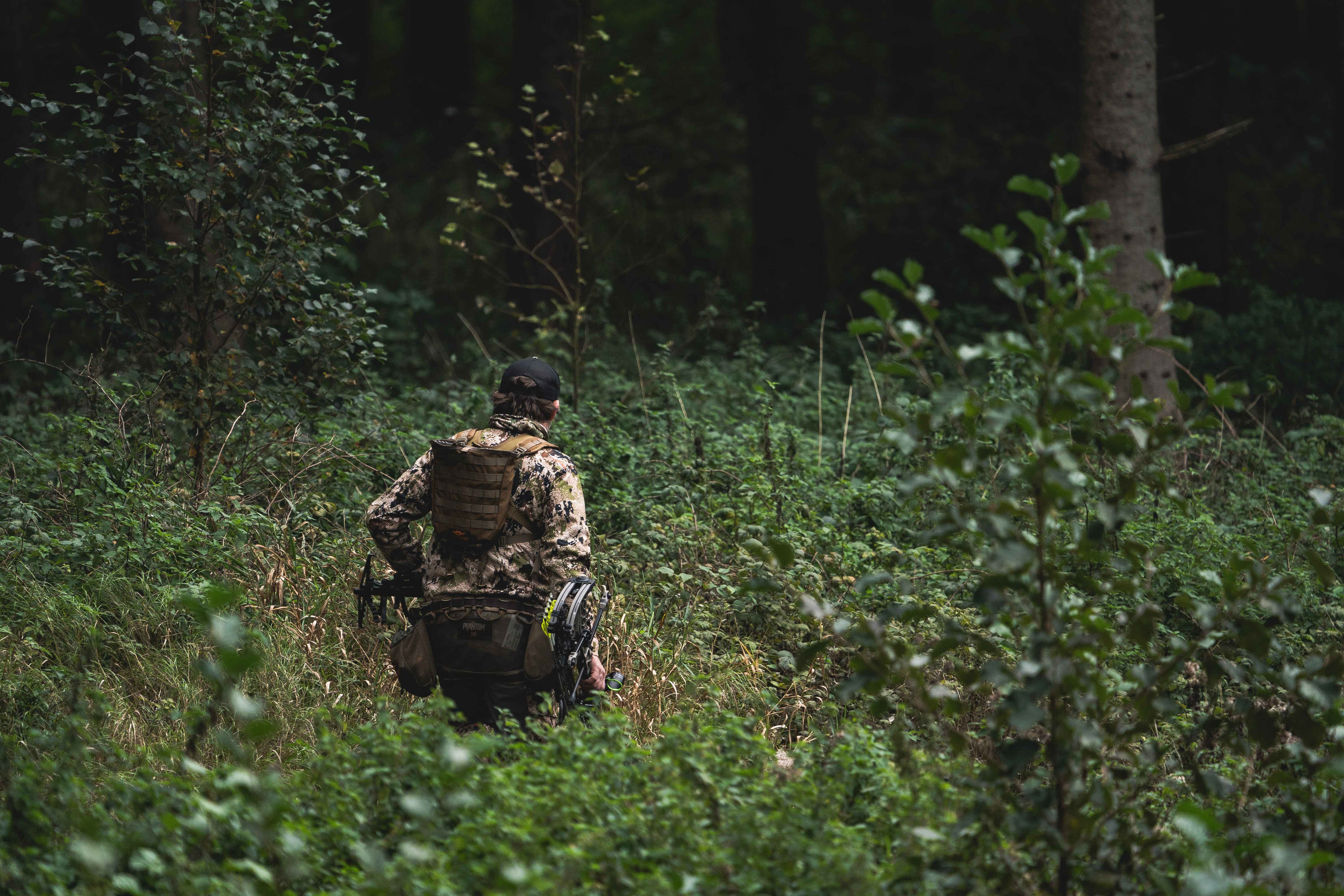
Before looking at products, it helps to think about the type of bowhunting day you are actually preparing for. A short sit close to the truck does not demand the same pack as a longer hunt where you carry extra clothing, food, optics, and support gear. The best pack is the one that fits the day without making movement more awkward than it needs to be.
This is why the right choice usually becomes clearer when you start with the actual hunt. How long are you outside? How much are you moving? What gear do you truly use every trip? Those questions matter more than a product page full of extra features.
Situation 1: short and mobile bowhunting days
If your normal hunt is a short day where you carry only the essentials, a compact and well-organized pack is often the best fit. In this situation, too much pack becomes a disadvantage. A bulky pack catches on more cover, adds unnecessary weight, and encourages you to carry gear you do not really need.
This is the kind of use case where a more compact option like the Alps Outdoorz - Ambush Sling Pack - Timber can make sense. It suits hunters who want a lighter and simpler setup for moving through the woods without carrying a large load.
Situation 2: normal day hunts with a fuller gear list
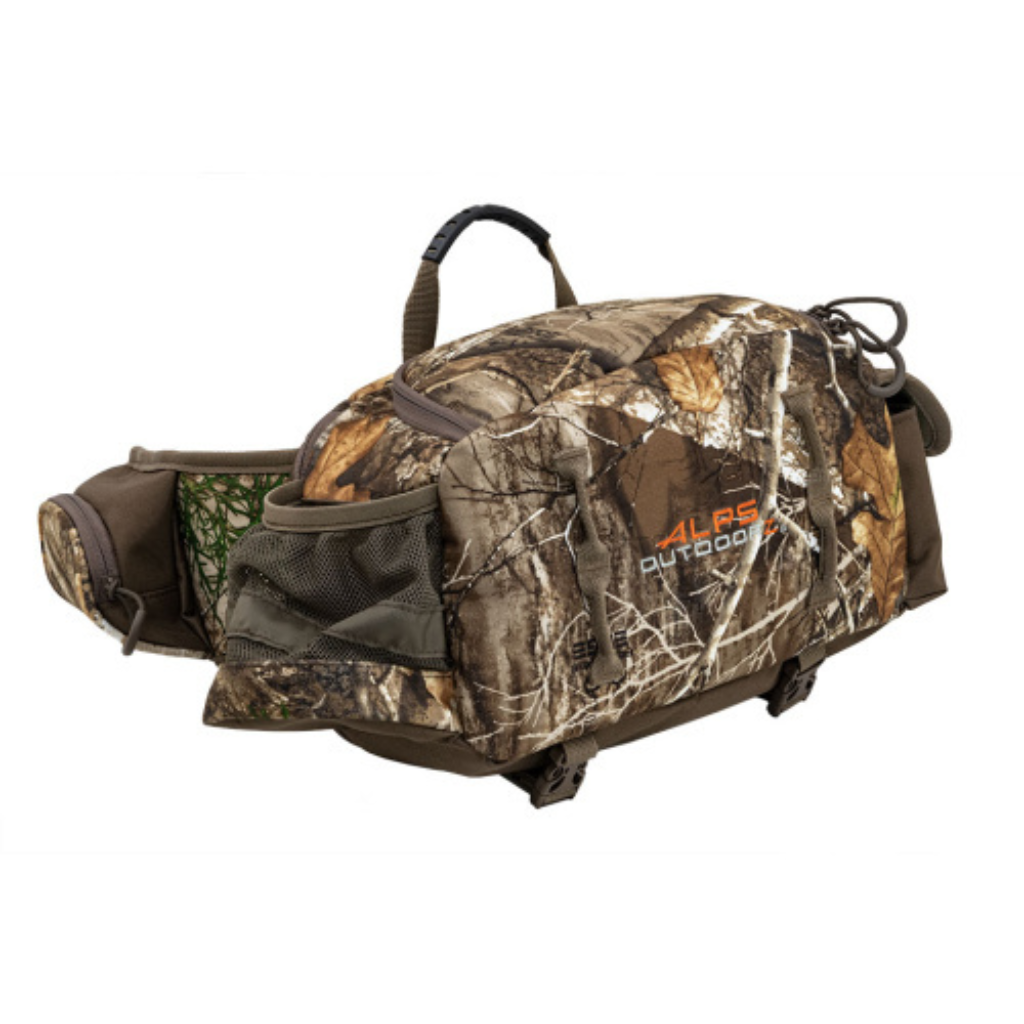
Many bowhunters sit in the middle ground. They do not need an oversized pack, but they do need enough room for layers, release, small tools, water, snacks, and a few extra pieces of gear that make the day easier. In that situation, a practical hunting day pack is often the strongest choice.
A pack like the Alps Outdoorz - Pursuit Bow Pack - Realtree Excape is more relevant here because it is built around the kind of carry and organization many bowhunters actually need. A pack in this category makes sense for bowhunters who want a little more structure and capacity without moving all the way into a much heavier hauling setup.
Situation 3: longer days where comfort matters more
If the hunt means more walking, more time in the field, or more clothing and support gear, comfort becomes even more important. At that point, the wrong pack starts to feel bad quickly. Shoulder carry, balance, and access matter more than just raw storage space.
In this kind of situation, the right pack is the one that still feels manageable after several hours and keeps your essentials organized enough that you do not have to unpack half the bag to find one item. A bowhunting pack should stay supportive without becoming clumsy.
Do not forget the gear you use most often
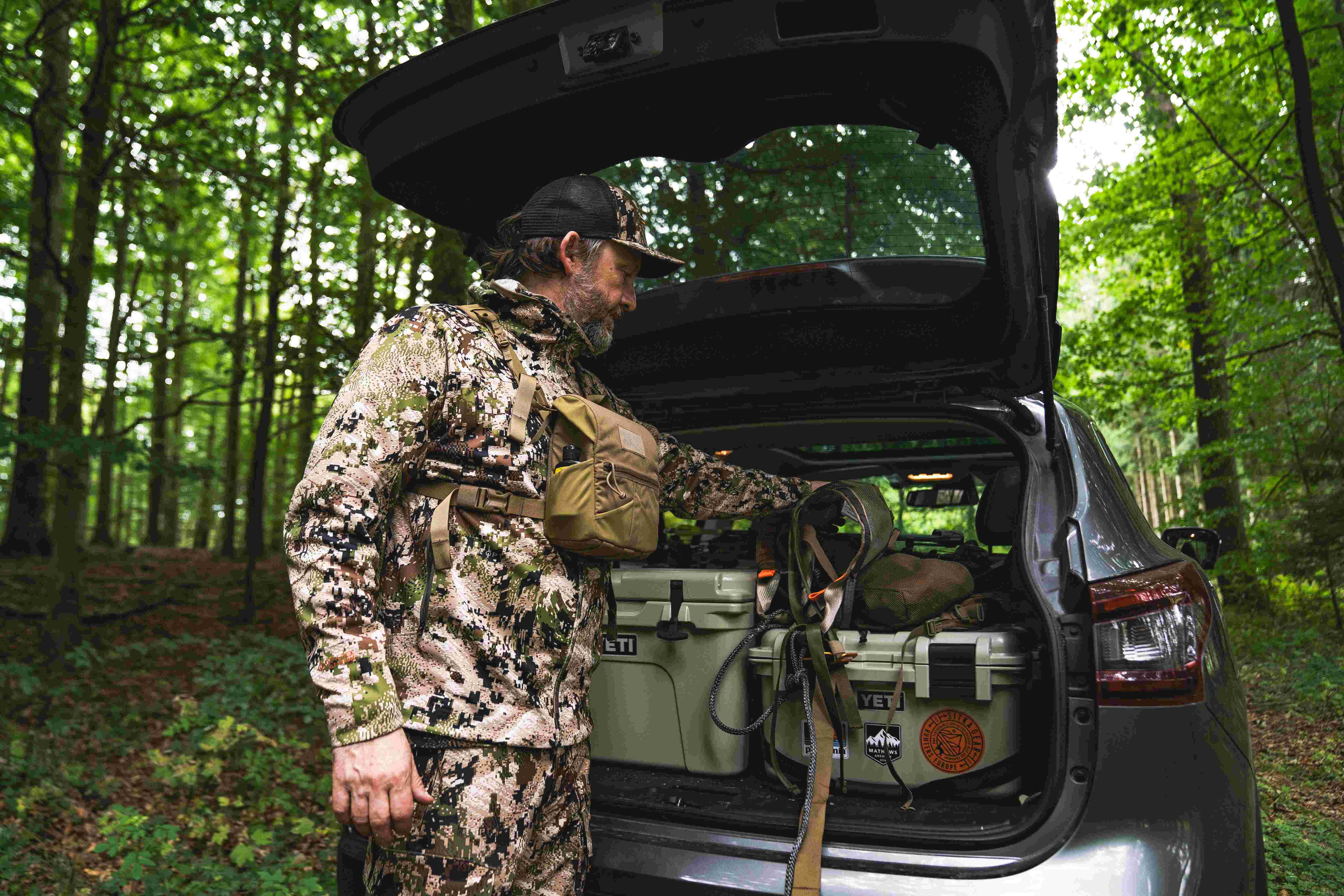
One reason some hunters become frustrated with a backpack is that they keep putting high-use gear inside the main pack. Optics, small tools, and other frequently used items often work better when they are easier to reach. That is why chest-mounted or accessory solutions can improve the whole carry setup.
The Alps Outdoorz - Bino Harness X and the Alps Outdoorz - Adapt are relevant here because they help move frequently used gear out of the main bag and into a more accessible position. That often makes the entire system feel cleaner.
What makes a backpack feel right in the field
- Enough space for the real hunt: not too small, not oversized.
- Comfort while moving: the pack should ride well and stay manageable.
- Good organization: key gear should be easy to find.
- Quiet, practical carry: the pack should support movement rather than fight it.
A bowhunting pack should help the hunt feel more controlled. If it shifts too much, snags constantly, or forces awkward access every time you need something, it is probably the wrong match for the job.
Why access matters as much as storage
Many backpack comparisons focus too much on capacity and not enough on usability. In real bowhunting conditions, access often matters more. You may need your release, gloves, a call, or a small piece of support gear quickly and quietly. That becomes much harder if everything disappears into one deep main compartment.
A better layout can make a moderate-size pack feel more useful than a larger one. This is one reason why many hunters perform better with a cleaner setup rather than a more complex bag full of extra compartments they rarely use well.
Common mistake: buying too much pack
A common mistake is assuming that a bigger pack is automatically more useful. In practice, many bowhunters do better with a pack that matches the most common hunt rather than the biggest possible outing. A pack that is too large often leads to wasted space, more movement, and more clutter.
That extra room tends to get filled, and the more you fill it, the more the pack starts to shape the hunt in the wrong direction. For many day hunts, the better answer is a bag that gives you just enough room and a cleaner layout.
The practical answer
The best backpack for bow hunting is the one that fits your real field situation. For some hunters that means a compact sling-style setup. For others it means a more traditional day pack with better organization and carrying comfort. The right choice becomes much clearer when you start with the hunt itself and then choose the pack that matches it.
When the size, fit, and layout all work with the way you hunt, the pack becomes a real field tool rather than extra baggage. That is the difference between a bag that looks good on paper and one that genuinely works in the woods.
FAQ
What size backpack is best for bow hunting?
For many hunters, a well-organized day pack is enough. The right size depends on how much gear you actually carry on a normal hunt.
Do I need a bow-specific backpack?
Not always, but a hunting-focused pack often makes field organization and carry comfort easier.
Should I use a bino harness with a backpack?
Often yes. Keeping high-use gear more accessible can make the full carry setup work better.