Treestand Hunting and Saddle Hunting for Rifle Hunters: When Does It Make Sense?
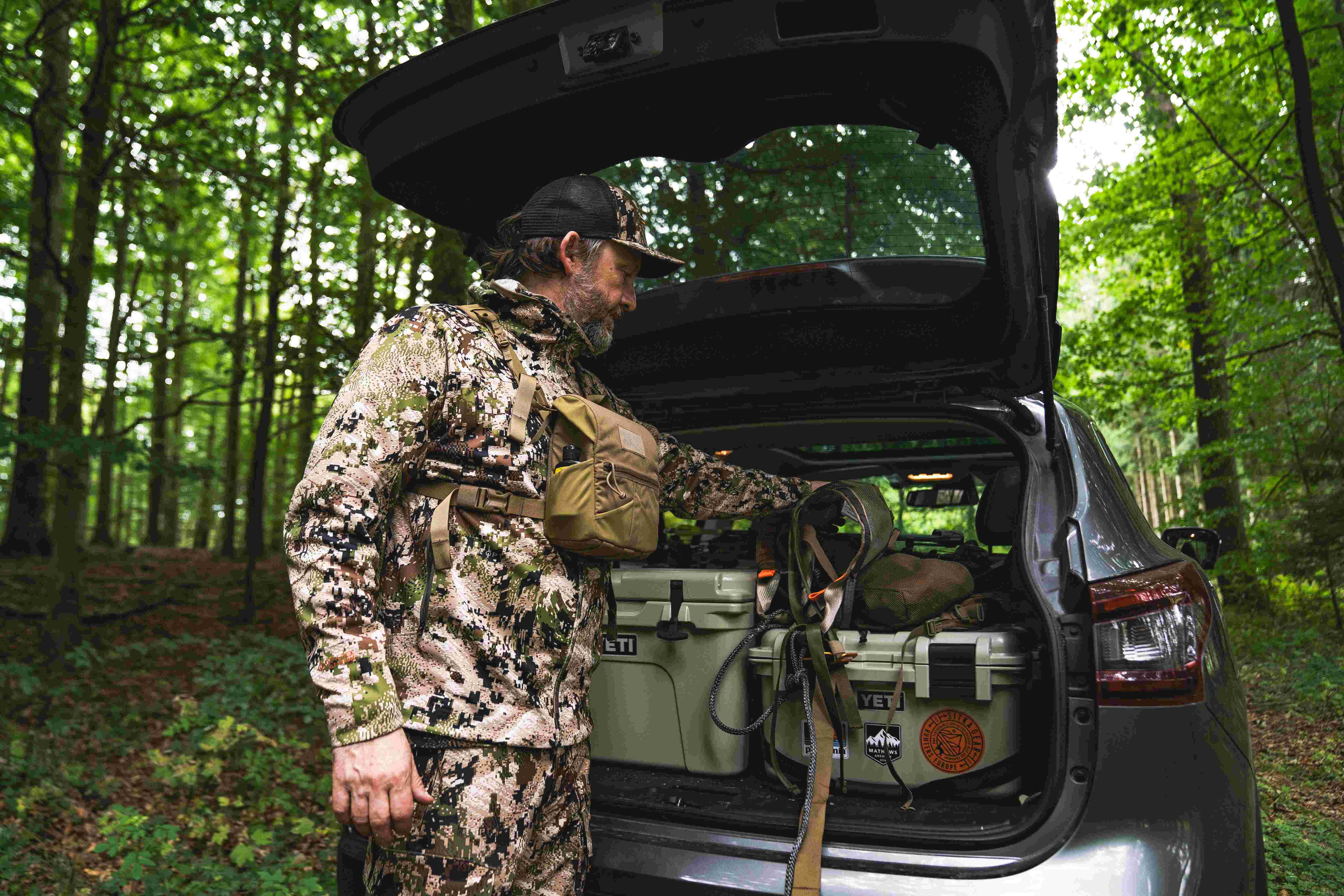
Treestand hunting and saddle hunting can make a lot of sense for rifle hunters when the terrain is awkward, visibility matters, or a fixed setup is too limiting. The main benefit is not that these systems are new. The real benefit is that they can give a hunter better positioning, a cleaner shooting setup, and more flexibility than a permanent wooden or iron stand in places where the ground does not give you many easy options.
Key takeaways
- Rifle hunters can benefit from treestands and saddles when terrain, access, and visibility make elevated mobility useful.
- Treestands are usually the stronger choice when a hunter wants a stable, familiar, and easier-to-trust shooting position.
- Saddles become more attractive when reduced bulk, flexibility, and difficult terrain matter more than immediate familiarity.
- For rifle hunters, the right setup also includes safe rifle transport and practical weather handling, not just the main platform.
- The better system is the one that fits your terrain and hunting style, not the one that sounds more modern.
Why rifle hunters look at elevated mobile setups
Many rifle hunters think first in terms of hides, high seats, or fixed stands. That still makes sense in a lot of situations. But there are also hunts where a mobile elevated setup solves real problems better. The attraction is not novelty. It is adaptability.
That becomes especially relevant in places where the best position shifts with access, weather, or visibility. If a permanent setup does not match the actual hunt, a more mobile elevated option starts to make practical sense.
Terrain where these setups help most
Treestand hunting and saddle hunting are especially relevant in conditions like these:
- mountains and steep ground where a fixed stand is not practical and the best position changes with access or sightline
- wetlands and swamps where getting above ground cover and soft terrain improves visibility and access
- awkward edge habitat where cover, shooting lanes, and wind direction force you into a more adaptable setup
- changing spots where you do not want to rely on one permanent position all season
In all of these situations, elevation is a way to solve a field problem rather than simply add gear to the hunt.
When a treestand makes more sense for rifle hunters
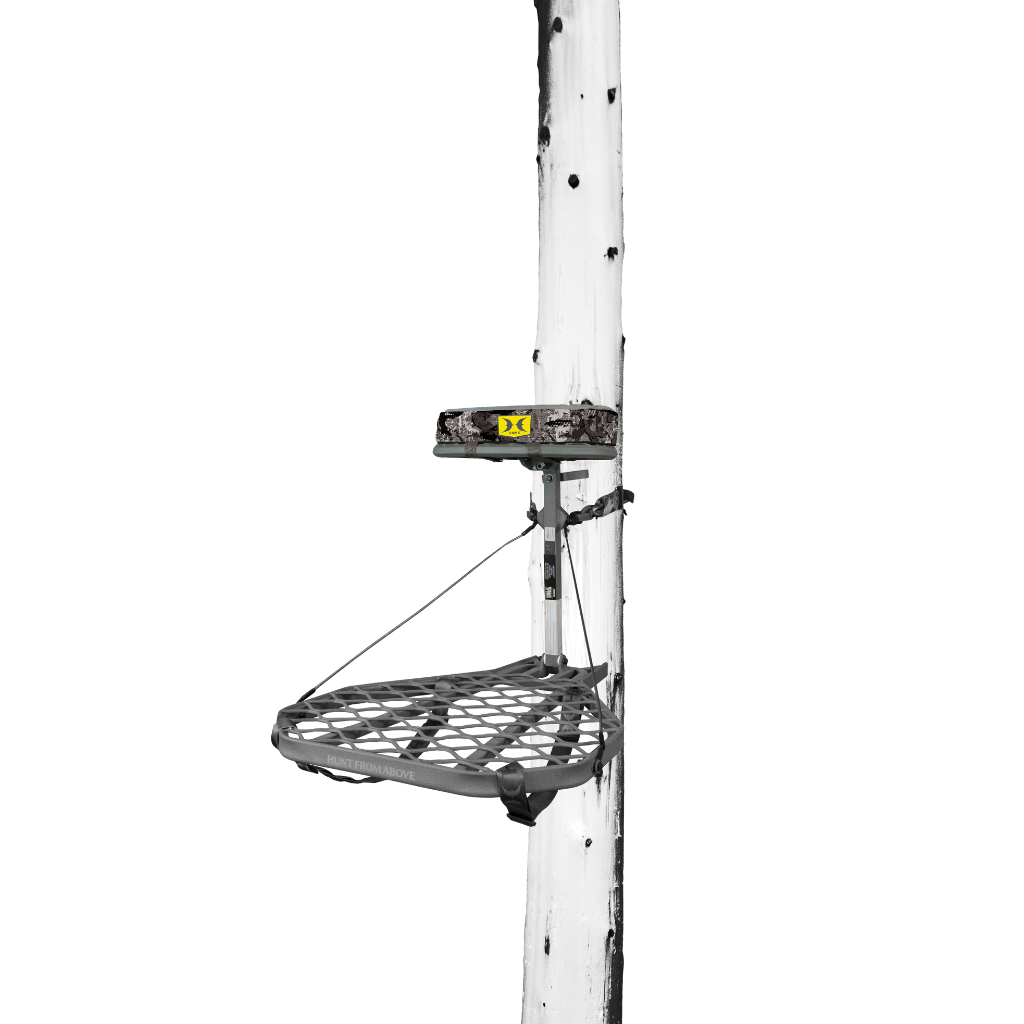
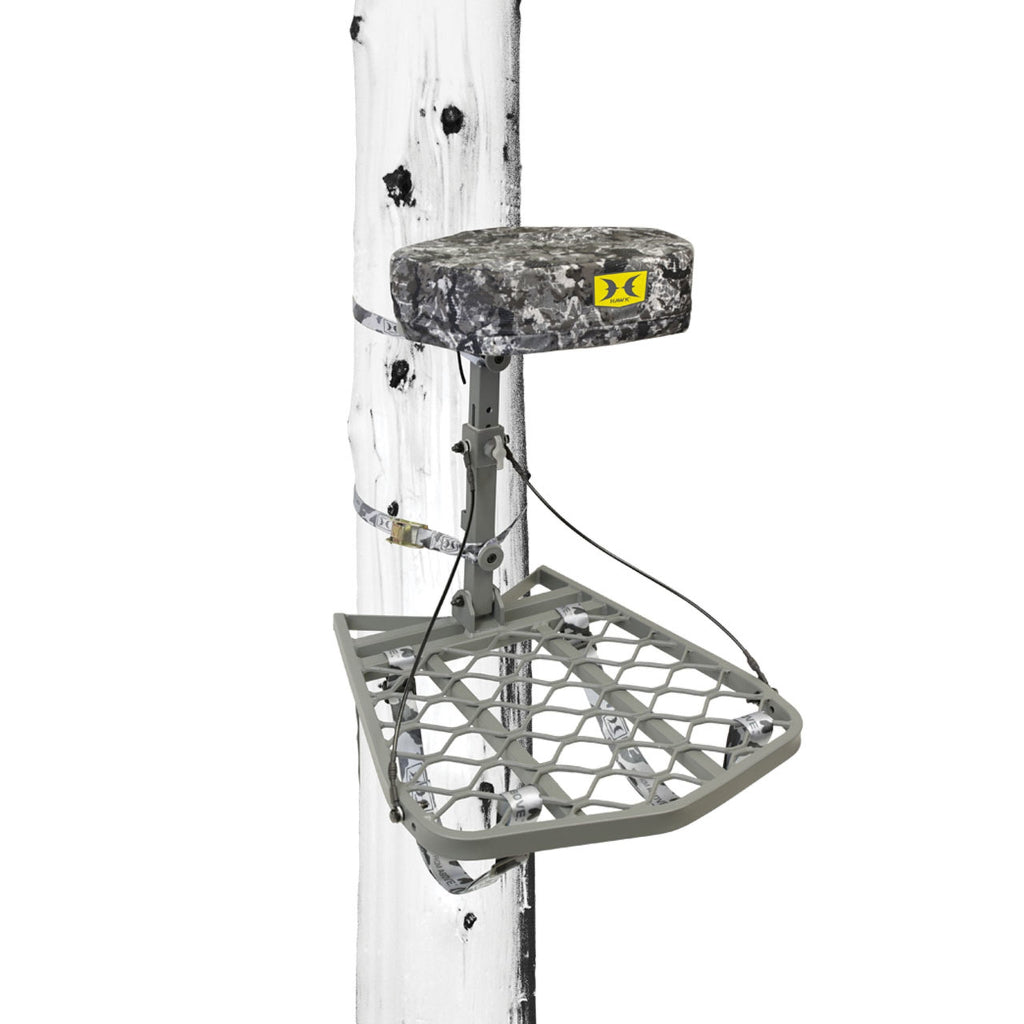
A hang-on treestand is often the stronger option for rifle hunters who want a familiar and stable shooting position. It can feel more intuitive than a saddle, especially if the hunter wants a clear platform under both feet and a setup that resembles the elevated hunting positions they already trust.
Treestands are often a good fit when:
- you want a straightforward platform for longer sits
- you value stability and familiarity over maximum compactness
- you want a setup that can feel more natural for supported rifle shooting
- you prefer simpler learning compared with building a full saddle system
If that sounds like your hunting style, the Advanced Take-Down Treestands Collection is the right place to compare the main options. A product like the Advanced Treestands - Take-Down i2 Tree Outlet Model shows the type of practical elevated setup many rifle hunters still prefer.
When a saddle can make more sense
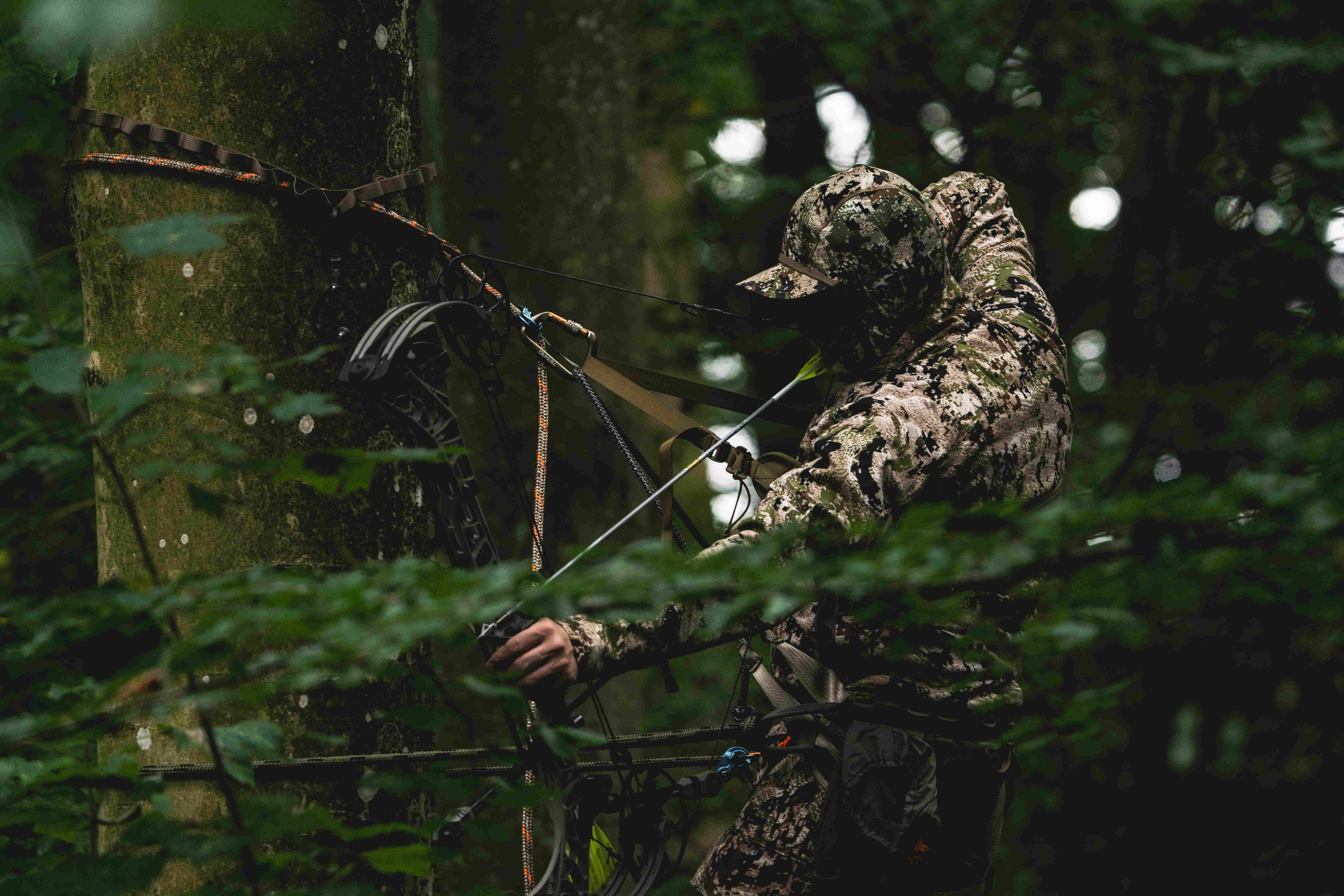
A saddle can make sense for rifle hunters who care most about mobility, compact carry, and the ability to adapt quickly when the tree or position matters more than comfort from the first minute. A saddle usually asks for more practice, but it can be very effective where access is difficult and where carrying less bulk matters.
A saddle can be a stronger fit when:
- you need to move through awkward terrain with less bulk
- you want more flexibility around the tree
- your shooting position changes depending on cover and approach
- you are willing to spend time learning the system properly
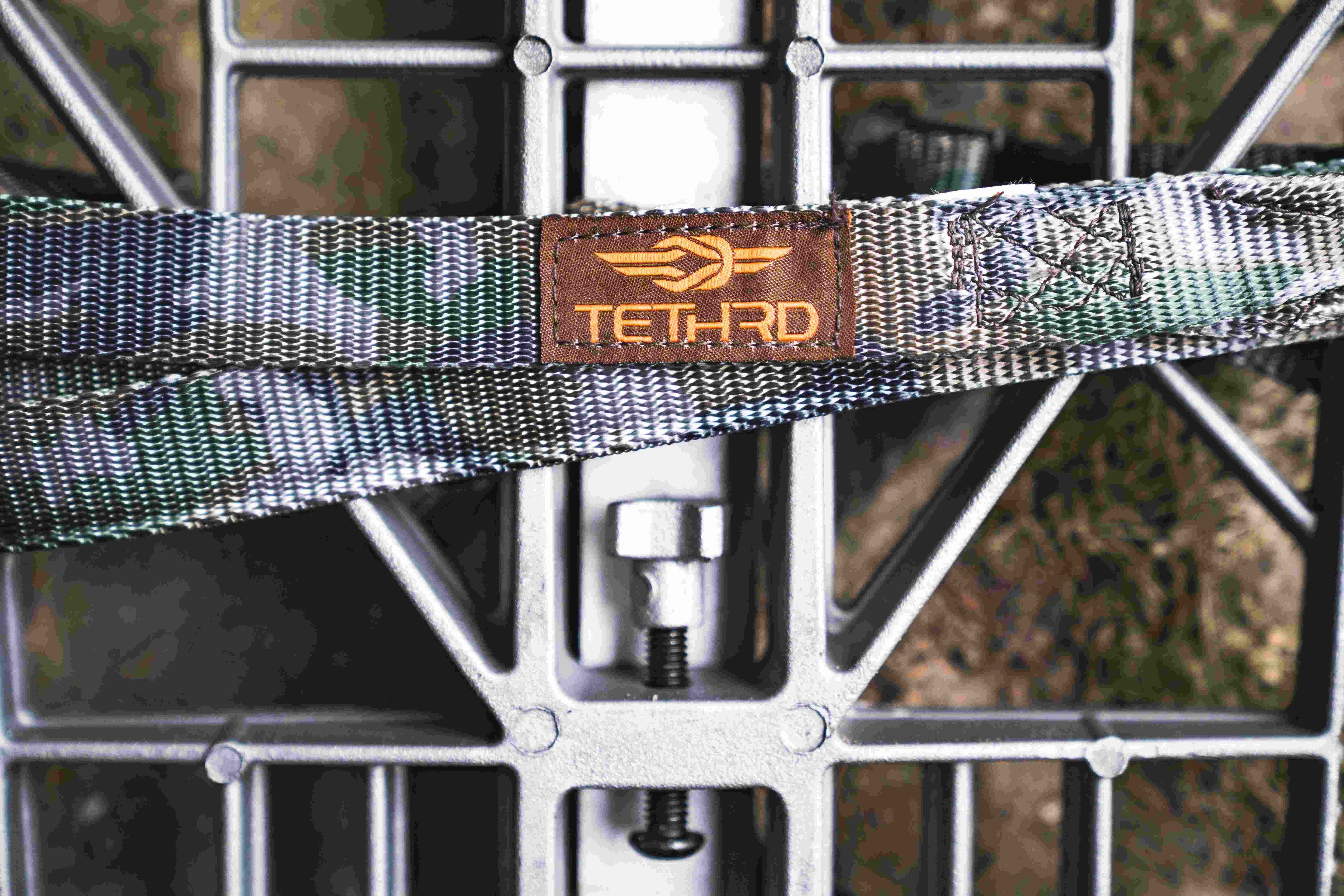
If you want to compare saddle options, start with the Bowgearshop Saddles Collection. For hunters who want a simpler entry point, the Tethrd Menace Saddle is a useful example of a more beginner-friendly direction.
Rifle transport and weather protection matter too
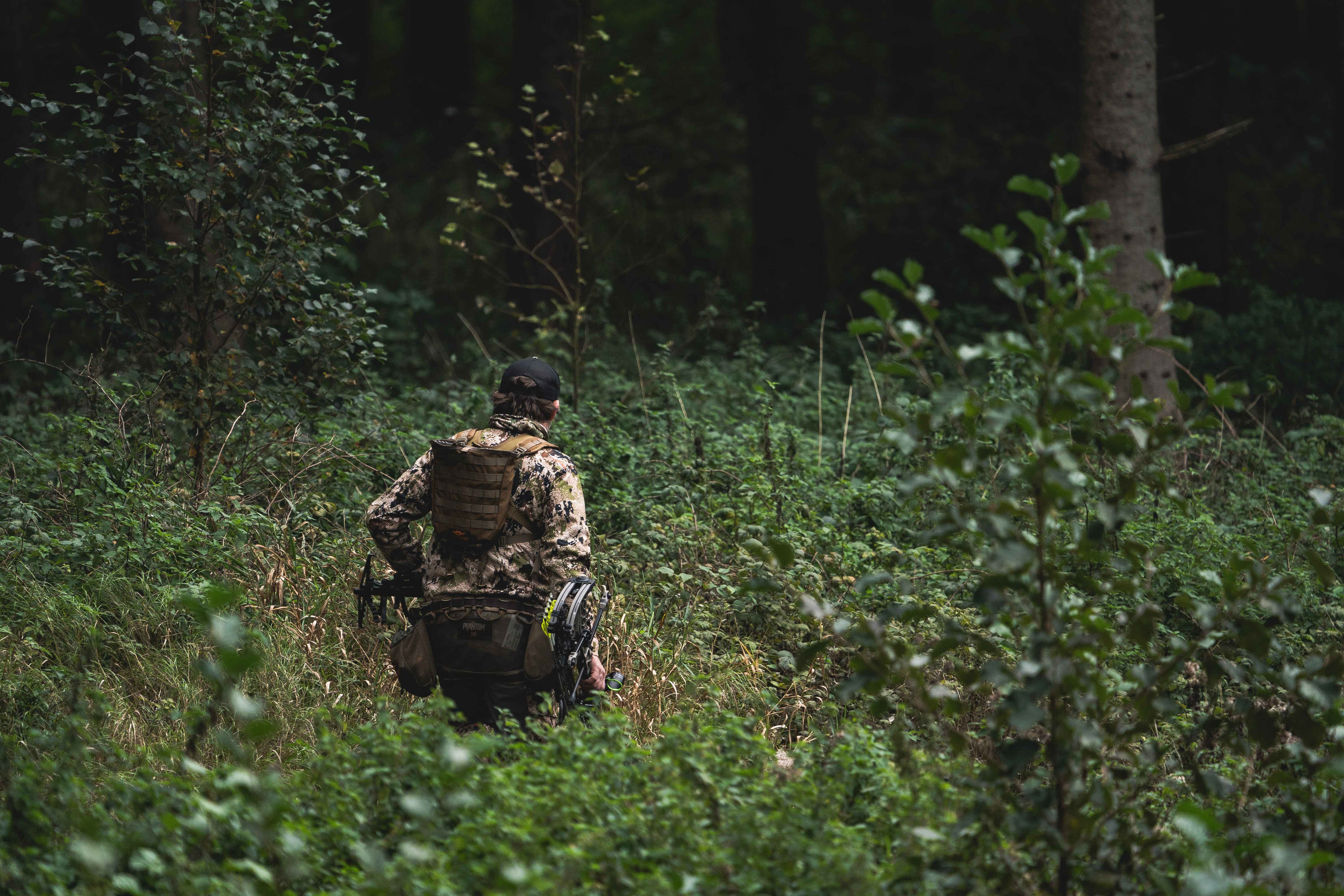
For rifle hunters, the shooting setup is only part of the equation. Moving safely through rough weather or difficult access routes also matters. That is where supporting products can make the system more practical, especially if the rifle needs protection while walking in or moving between spots.
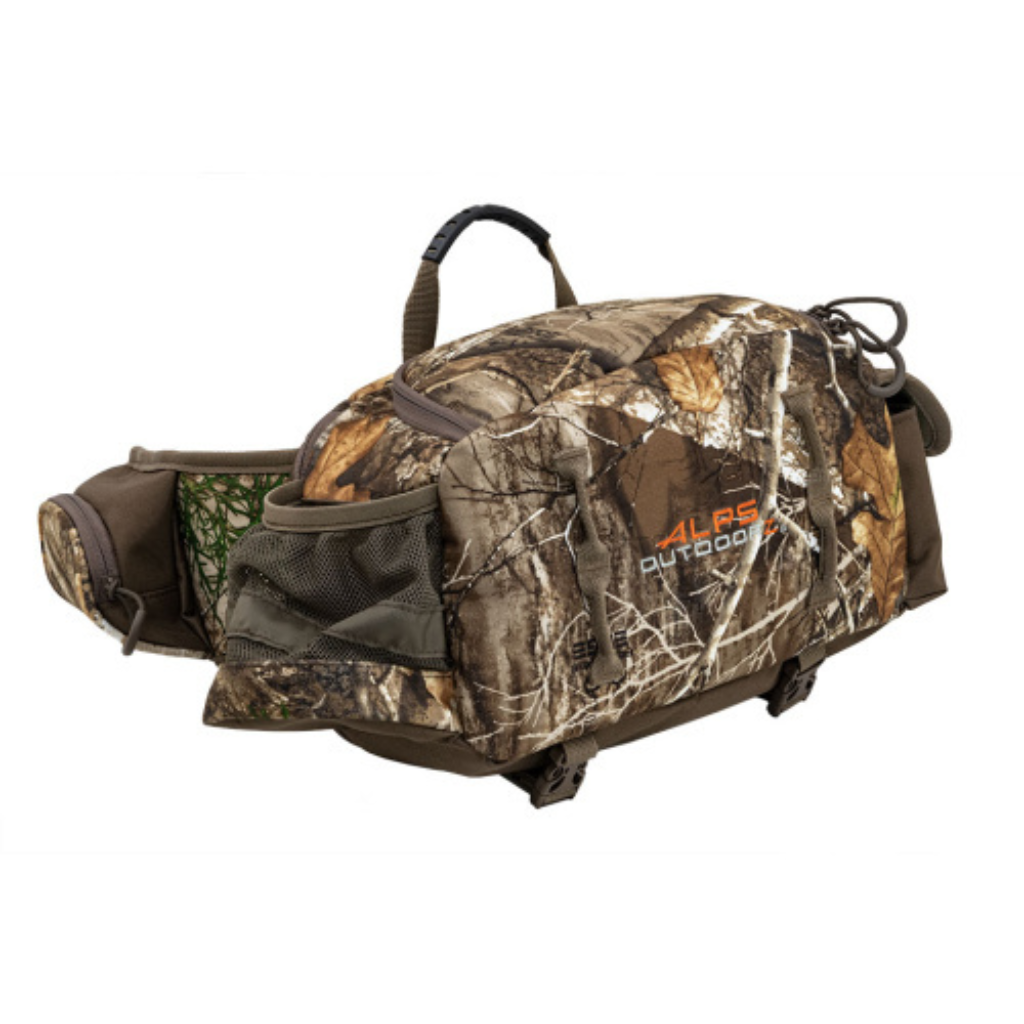
The Alps Outdoorz - Waterproof Rifle Case is relevant here because it fits the same practical field logic: protect the rifle, manage awkward access more cleanly, and keep the kit workable in bad conditions.
What rifle hunters often underestimate
Many hunters focus on the main platform and underestimate everything around it. But for rifle hunters, the full system matters just as much: how the rifle is carried, how the weather affects the setup, how stable the shot position feels, and how much practice the system actually needs before it becomes natural.
This is one reason the more familiar treestand route often wins for some rifle hunters, even when a saddle looks attractive on paper. Simplicity and confidence are still real advantages in the field.
How to choose between the two
The simplest way to decide is to start with your real hunting problem:
- If you want a stable, familiar elevated setup for rifle use, start with a treestand.
- If you want lower bulk and more flexibility in difficult terrain, look harder at a saddle.
- If your main problem is not shooting position but carrying the rifle and kit safely through bad weather, look at the supporting gear too.
There is no need to force one system onto every rifle hunter. The better option is the one that fits your terrain, your access, and the way you actually hunt.
The practical answer
Treestand hunting and saddle hunting can both make sense for rifle hunters, but they solve different problems. A treestand usually wins on familiarity and stable positioning. A saddle usually wins on mobility and reduced bulk. The right choice depends on what your terrain is demanding and how you actually hunt.
When the setup matches the terrain and the hunter’s real priorities, both systems can be highly practical. That is the reason to consider them—not because they are new, but because they can solve real field problems.
FAQ
Can rifle hunters use treestands and saddles effectively?
Yes. Both can work well for rifle hunters when terrain, visibility, and access make an elevated mobile setup useful.
Is a treestand or a saddle better for mountains and swamps?
It depends on the hunt. A saddle can be easier to carry in difficult terrain, while a treestand may feel more stable and familiar once you are set up.
Is a saddle harder to learn than a treestand?
For most hunters, yes. A saddle usually requires more practice before it feels natural and efficient.