
How to Choose the Best Backpack for Rifle Hunting
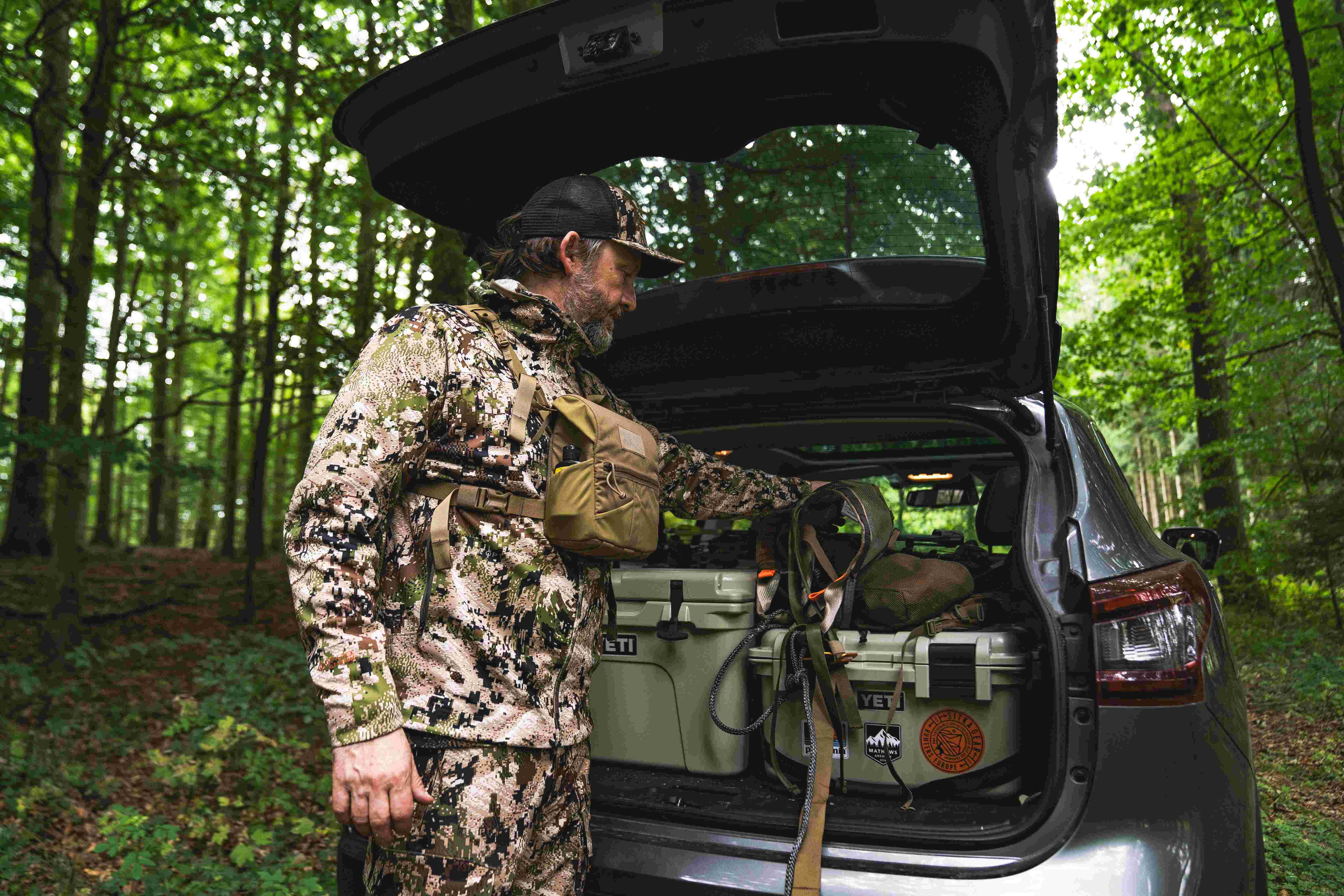
The best backpack for rifle hunting depends on the kind of terrain you hunt, how much gear you really carry, and how long you stay in the field. A good rifle-hunting backpack should support the hunt without becoming part of the problem. That usually means choosing for the real situation, not just the largest pack on the shelf.
Key takeaways
- Select a pack that matches the specific terrain and duration of your hunt rather than trying to solve every possible scenario with one oversized bag.
- For short day hunts with moderate gear, a structured day pack is often the best balance of comfort, access, and weight.
- In rough terrain or for longer hunts, load support and stability matter more than feature count.
- Rifle protection and wider gear handling should be considered as part of the full carry system, not as separate problems.
- A rifle-hunting pack should let you reach key gear quickly without disrupting the hunt.
Start with the hunting situation
A short sit close to access roads does not require the same pack as a long day in rough ground with extra layers, food, optics, and weather gear. The more clearly you define the actual hunt, the easier it becomes to choose the right size and style of backpack.
That is why it makes more sense to start with the hunting problem instead of the product itself. What terrain are you moving through? How much time will you spend outside? How much gear do you really use on a normal outing? The best backpack for rifle hunting is the one that solves those questions cleanly.
Situation 1: shorter rifle hunts with a normal day load
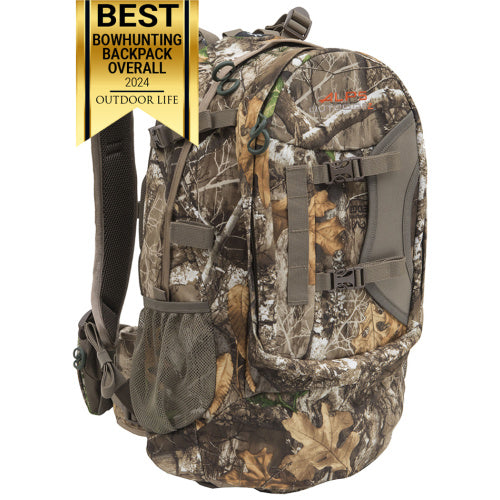
If your usual rifle hunt is a straightforward day out with moderate gear, a practical day pack is often the strongest option. In this situation, the goal is not to carry everything. The goal is to carry what you need in a way that stays organized and comfortable.
In this kind of hunt, a practical day pack makes the most sense when you want enough room for the essentials without stepping into a larger hauling system. A bag that rides close, stays stable, and keeps your high-use items accessible is often the best fit.
Situation 2: rough terrain and heavier loads
If the hunt involves steeper ground, more layers, heavier gear, or longer movement, comfort and structure matter more. The wrong pack starts to feel bad quickly when the weight goes up or when the terrain becomes awkward.
This is where more structured carry systems make more sense. The Alps Outdoorz - Commander + Pack and the Alps Outdoorz - Commander Lite + Pack are stronger examples for hunters who need more capacity and better support for heavier loads. The real benefit here is not just more room. It is better load handling.
Situation 3: wet conditions and gear protection
For many rifle hunters, the backpack decision is not only about storage. It is also about how the whole field setup handles weather, transport, and awkward access. In wet ground or unstable weather, rifle protection becomes part of the same practical problem.
That is why a product like the Alps Outdoorz - Waterproof Rifle Case can be a useful part of the wider setup. It is not the backpack itself, but it supports the same real-world need: keeping the hunt manageable in difficult conditions.
What matters most in a rifle-hunting backpack
- Comfort under real load: the pack should still carry well when it is actually packed for the hunt.
- Good access: key gear should not disappear into one large compartment.
- Weather and terrain fit: the setup should make sense for where you hunt.
- Enough room without needless bulk: more capacity is not automatically better.
A rifle-hunting pack has to work when conditions are less forgiving. That means the system should stay balanced, manageable, and quiet enough that it does not become a distraction while you move.
Why access matters more than people think
Many backpack problems show up when you actually need something quickly. Gloves, ammunition storage, small accessories, snacks, optics, or weather layers should not require digging through one deep compartment every time. That slows you down and makes the setup more frustrating than it needs to be.
A better layout often matters as much as the size of the bag. If your main items are easier to reach, the pack becomes more practical immediately. For rifle hunting, that can make a big difference during long sits, weather changes, or movement between positions.
Think about support gear too
Some rifle hunts also demand more from the carry system overall. Food, warm drinks, insulation, or compact outdoor support gear may all matter depending on the conditions. That is why supporting categories from Esbit and Klymit can fit naturally into the wider carry conversation when the terrain or weather calls for it.
The backpack should not be judged in isolation. It is part of a wider field setup, and the better that full system works together, the more comfortable and efficient the hunt becomes.
Common mistake: choosing bigger just in case
One of the most common mistakes is buying a larger pack than necessary because it feels like a safer choice. In practice, that often leads to extra bulk, extra weight, and more movement than the hunt actually requires.
A larger pack also changes how you pack. Empty space encourages unnecessary extras, and unnecessary extras make the system less efficient. The better choice is usually the pack that fits your most common real hunt rather than the biggest load you can imagine.
How to choose the right one for your hunt
Choose based on your normal terrain, expected load, and how much structure you need in the carry system. If your hunts are short and moderate, a day pack often makes the most sense. If your terrain is rough, your load is heavier, or your conditions are less forgiving, move toward a pack that offers stronger support and better weight handling.
If you also want to compare across other outdoor carry situations, it may help to read How to Choose the Best Backpack for Hiking and Outdoor Use and How to Choose the Best Backpack for Bow Hunting. That helps clarify where rifle-specific demands change the decision.
The practical answer
The best backpack for rifle hunting is the one that matches your real terrain and load. For some hunts that means a practical day pack. For others it means a more structured carry system. The right choice becomes much clearer when you begin with the hunt itself and then choose the pack that fits that job.
A good pack should make the hunt easier, not bulkier. When the size, carry, and organization match the real conditions, the entire field system starts to feel more controlled.
FAQ
Do rifle hunters need larger backpacks than bowhunters?
Sometimes, but not always. It depends more on terrain, weather, and how much gear the hunt actually requires.
Is a waterproof rifle case relevant when choosing a backpack?
Yes, because rifle protection and field carry often belong to the same practical setup.
Should I choose a bigger pack just in case?
Usually no. It is better to choose for the hunts you actually do most often.