Do You Need a Bino Harness for Bowhunting? What to Look For
A bino harness for bowhunting is not just about carrying optics. It is about keeping binoculars protected, accessible, and quiet while you move. If you spend time glassing from the ground, stalking, or trying to keep your front-side gear organized without loose straps and swinging accessories, a bino harness can make more difference than many hunters expect.
Key takeaways
- A bino harness is most useful when binoculars are part of the hunt instead of an occasional backup item buried in a pack.
- Compared with a simple neck strap, a harness helps keep optics stable, protected, and easier to reach.
- Fit, closure style, stability while moving, and chest bulk matter more than just storage count.
- The best harness works with the rest of your gear system instead of adding clutter to the front of your body.
- If binoculars come out often during the hunt, a harness is usually worth serious consideration.
When a bino harness actually helps
A bino harness is most useful when binoculars are part of the hunt rather than a backup item buried in a pack. If you glass regularly, move through uneven ground, or want to keep essential accessories close to hand, a chest-mounted system makes the setup easier to manage. It also helps protect optics from bumps, dirt, and weather better than carrying them loose or letting them swing on a simple neck strap.
That matters because small frustrations add up quickly. A piece of gear that moves too much, snags too easily, or feels awkward to open often becomes something you stop trusting. The right harness should feel stable, easy to reach, and simple to use with cold hands or gloves.
What bowhunters should look for first
The first thing to look at is how the harness opens and closes. Fast access matters, but so does security. You also want a layout that keeps the binoculars in place without bouncing while you walk. Beyond that, the most useful harnesses tend to be the ones that stay organized without becoming bulky across the chest.
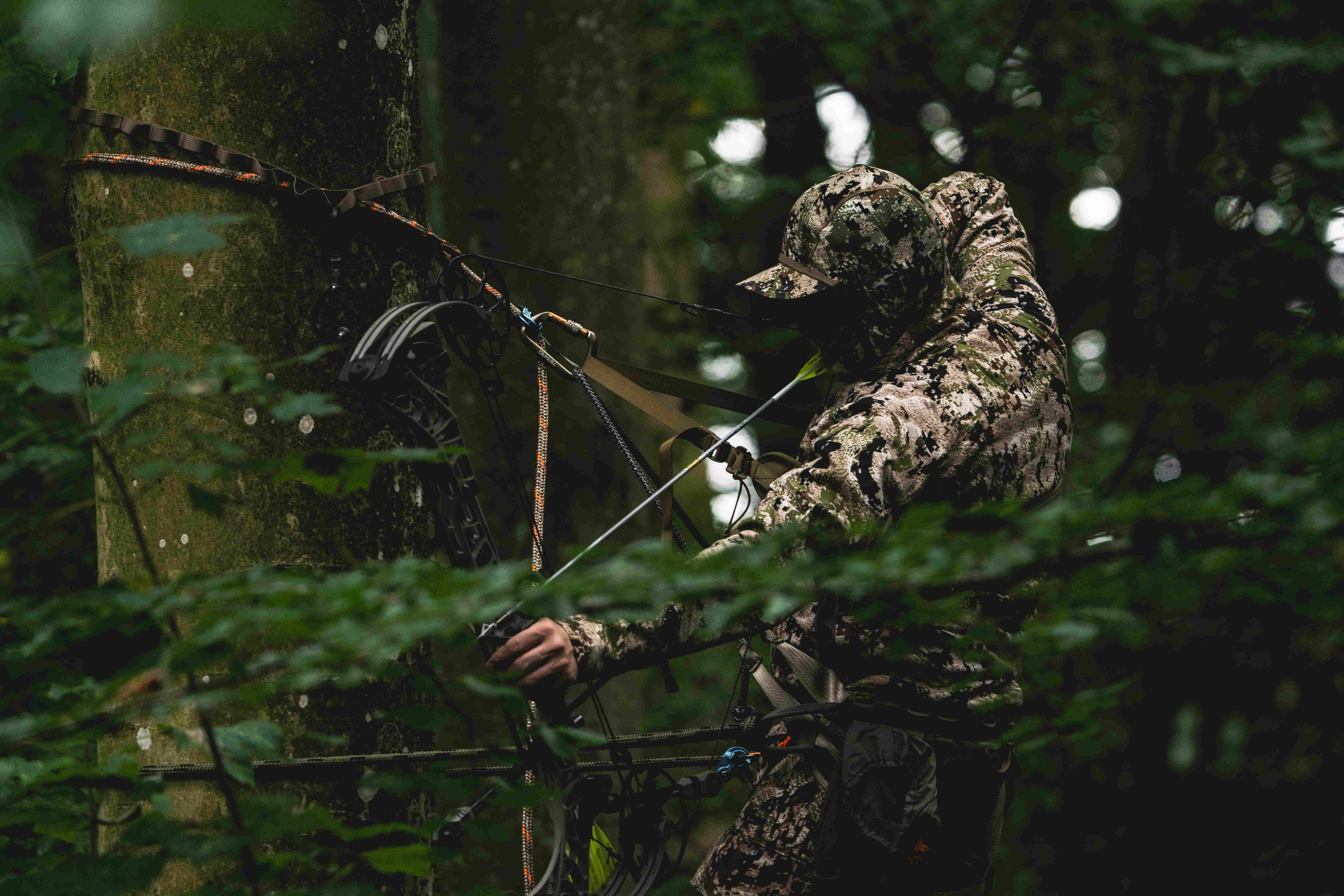
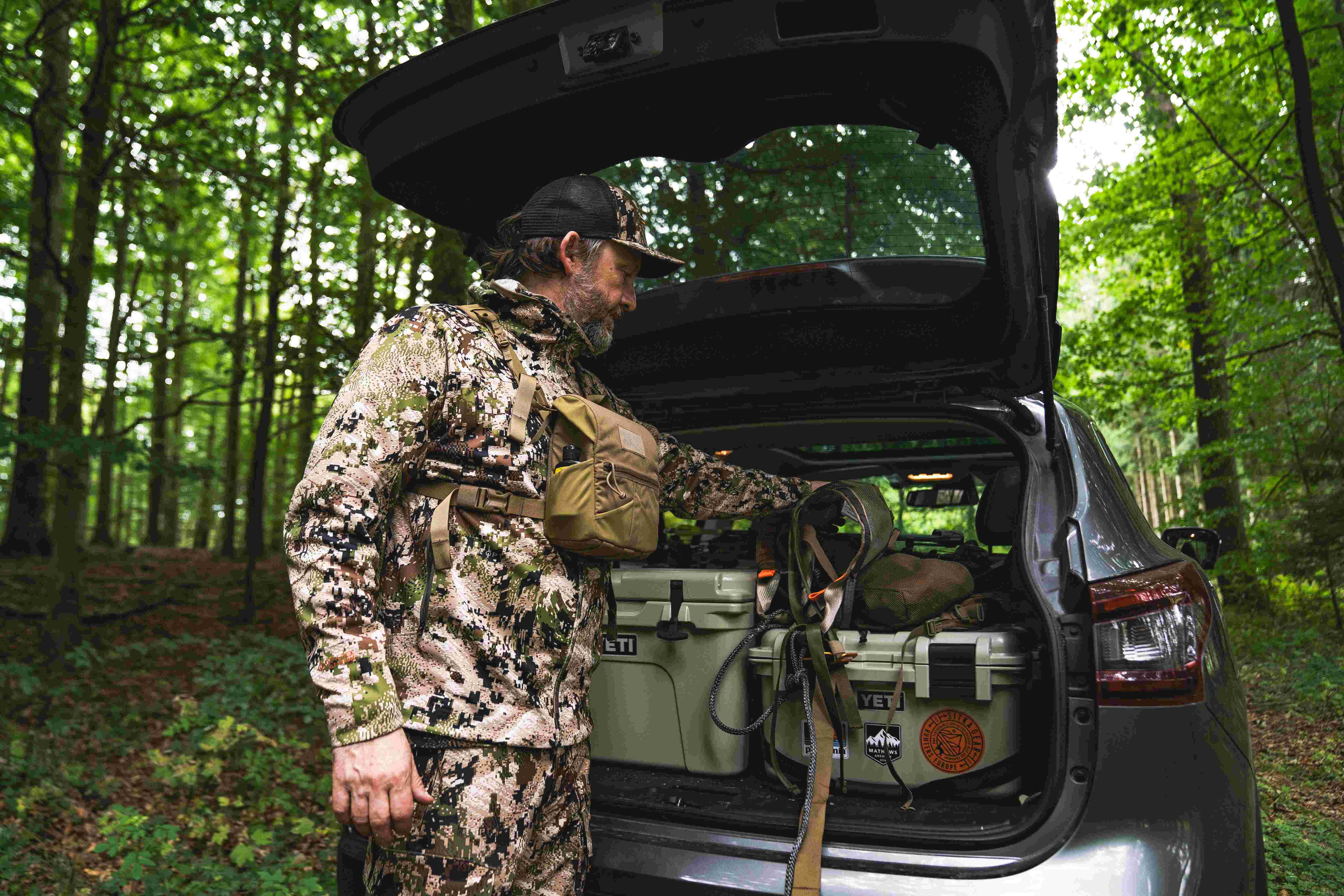
If you already use a day pack or a more mobile elevated setup, it also helps to think about how the harness works with shoulder straps, jackets, and any front-mounted accessories. A harness can look good on its own and still feel wrong once the full system is on your body.
How much storage do you really need?
Not every hunter needs the same amount of extra storage on the chest. Some want a very simple harness that holds binoculars and little else. Others want space for small accessories that they use constantly. The right answer depends on how much you want to move out of your pack and onto your chest without overloading the front of the body.
For hunters trying to build a cleaner field setup, this is similar to the logic behind choosing the right backpack. The system works best when every part has a clear role instead of one piece trying to do everything.
Why fit and movement matter so much
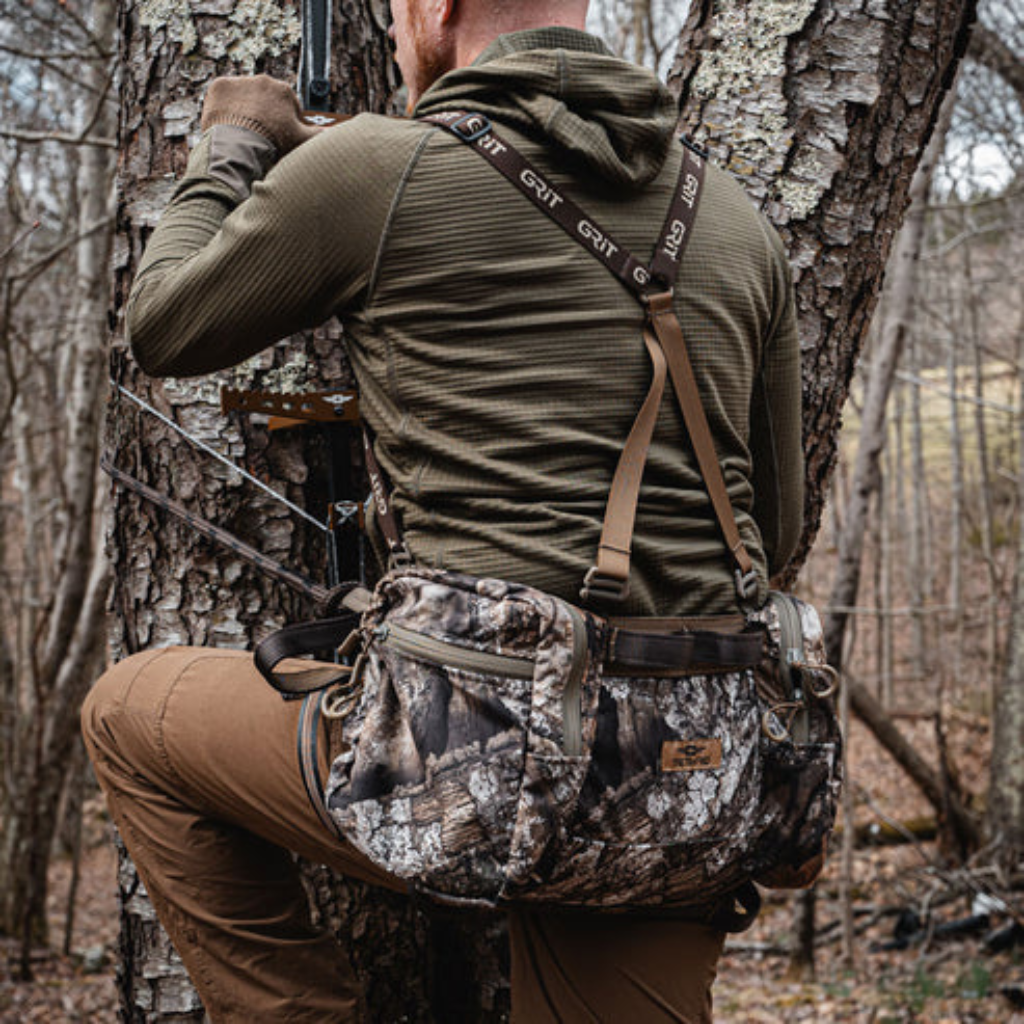
A bino harness lives at the front of the body, so small fit problems become obvious very quickly. If it rides too low, swings too much, or feels bulky when you move, the harness becomes annoying instead of helpful. That can also affect how the rest of your carry system feels, especially if you already wear a backpack or move through thicker cover.
The best harness should stay close to the chest, open cleanly, and avoid creating unnecessary motion while walking, bending, or drawing your bow. A stable fit is one of the biggest differences between a harness that works and one that gets left at home.
When a bino harness is worth it over keeping binoculars in a pack
If your binoculars come out often during a hunt, a harness is usually worth serious consideration. A pack is still fine for storage, but repeated stopping, opening, and digging around slows you down. A harness keeps the optics available the moment you need them, which is exactly when many hunters decide whether to stay in motion, glass longer, or adjust direction.
That is one reason a bino harness often fits naturally into the same wider gear conversation as bowhunting backpacks and other front-access or carry-system decisions. If you are also comparing how the rest of your carry system should work, it is worth reading What Makes a Good Bowhunting Pack for Day Hunts? as well.
A practical Alps option to consider
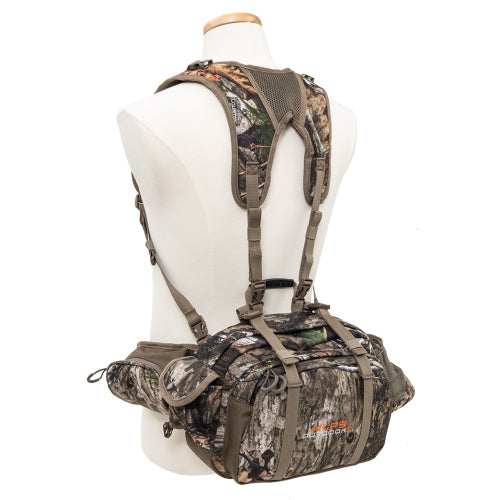
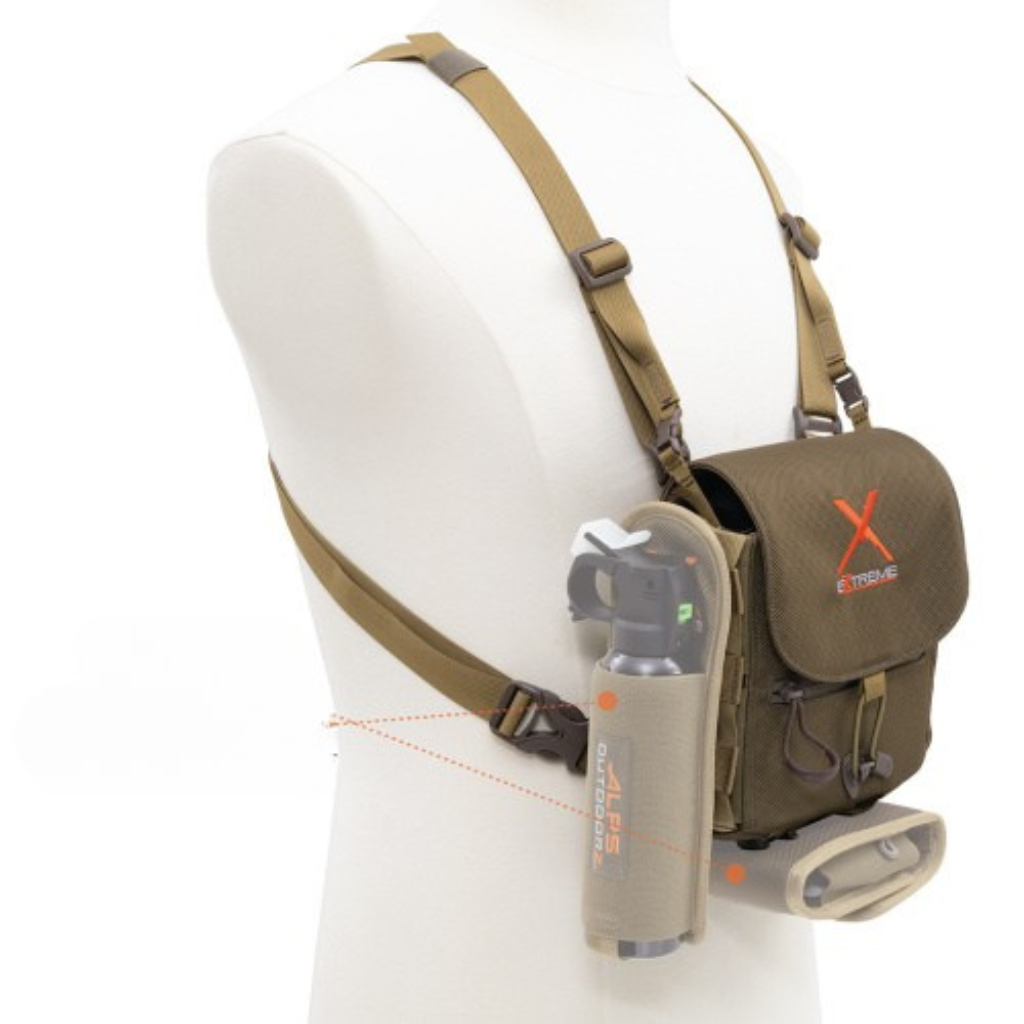
If you want a real product path to compare against your needs, the Alps Outdoorz Bino Harness X is one practical place to start. It fits the kind of hunter who wants better optic access and more chest-level organization without making the setup feel random or improvised.
If you want a wider look at Alps carry options, the Alps Outdoorz collection is also a useful next step, especially if you are building a more complete day-hunt system.
What people often get wrong
The biggest mistake is choosing only by appearance or storage count. A bino harness needs to work when you move, bend, layer up, and draw with the rest of your setup. Another mistake is buying a harness that adds clutter instead of reducing it. A good harness should simplify the front of the body, not turn it into another messy gear zone.
In practical use, a stable and lower-profile harness often beats a more feature-heavy one that feels bulky or awkward. The better choice is usually the harness you will actually keep wearing throughout the hunt.
The practical answer
So do you need a bino harness for bowhunting? If binoculars are part of how you actually hunt, the answer is often yes. The benefit is not only carrying optics. It is making the setup more stable, more organized, and easier to use in real hunting conditions.
The right choice is the one that keeps your optics protected and available without making the rest of your system harder to manage. When the fit and layout are right, a bino harness often becomes one of the most useful carry upgrades in the whole setup.
FAQ
Is a bino harness worth it for bowhunting?
Yes, especially if you use binoculars regularly and want them protected, easy to reach, and more stable than they would be on a simple strap.
Should I keep binoculars in my pack instead?
A pack is fine if binocular use is occasional, but a harness is usually better when you want faster access and better chest-level organization.
What matters most in a bino harness?
Fit, closure style, stability while moving, and whether the harness works cleanly with the rest of your clothing and hunting gear.