What Makes a Good Bowhunting Pack for Day Hunts?
A good bowhunting pack for day hunts should carry the gear you actually use without turning a mobile hunt into a bulky mess. The right pack keeps essential items organized, moves well with the body, and gives you enough capacity for the hunt you are doing without pushing you into unnecessary weight and clutter.
Key takeaways
- Focus on balancing capacity with mobility. Your pack should fit the actual hunt instead of a hypothetical maximum-load trip.
- Organization matters because your most-used gear should stay easy to reach without dumping the whole bag in the field.
- Stability during movement is critical. A pack that shifts, swings, or snags too much will quickly become a problem.
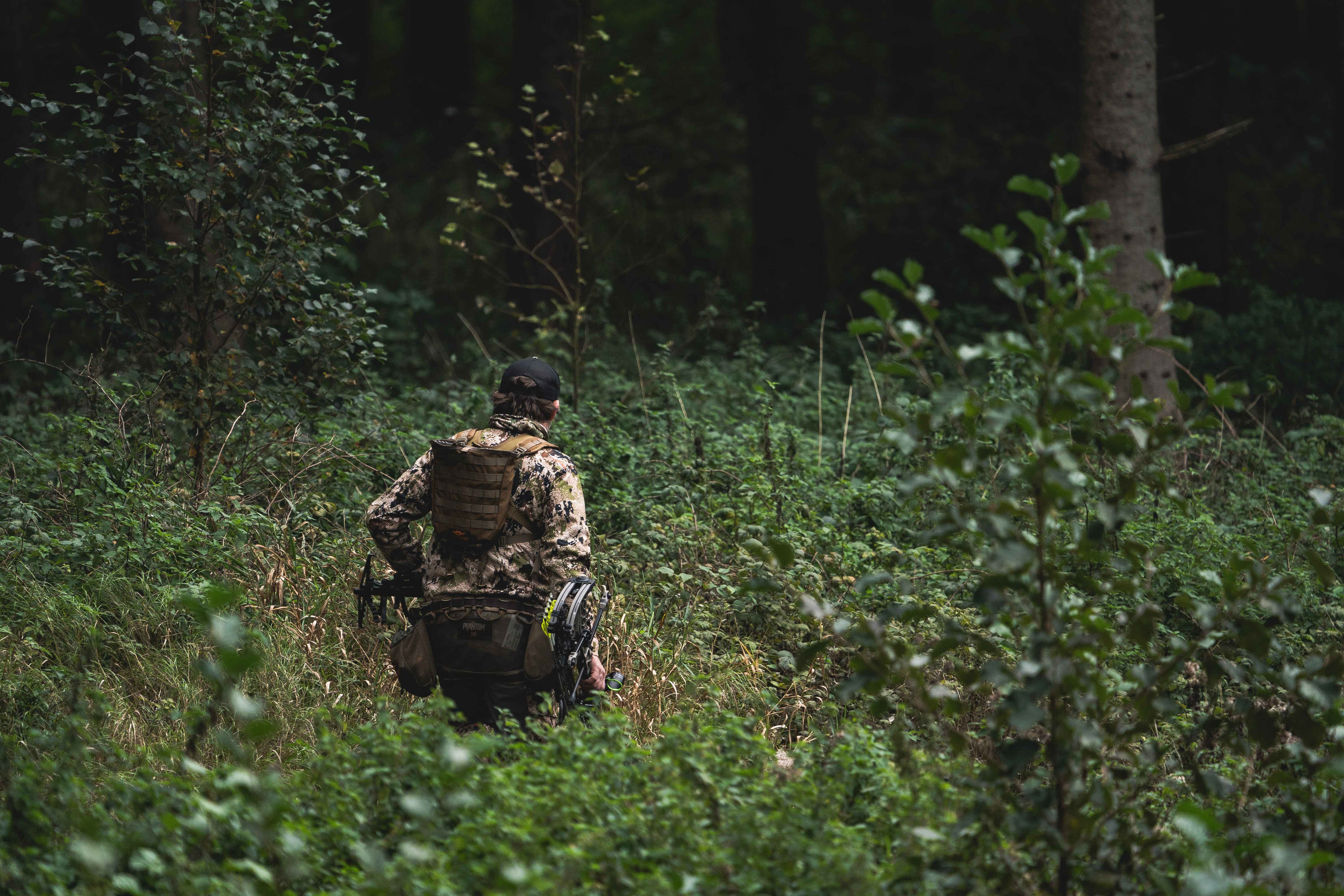
- A low-profile pack usually performs better in brush and tighter cover than a wider, bulkier setup.
- The best day-hunt pack is the one that helps the hunt feel cleaner and more manageable, not the one with the most compartments.
Start with the real job of the pack
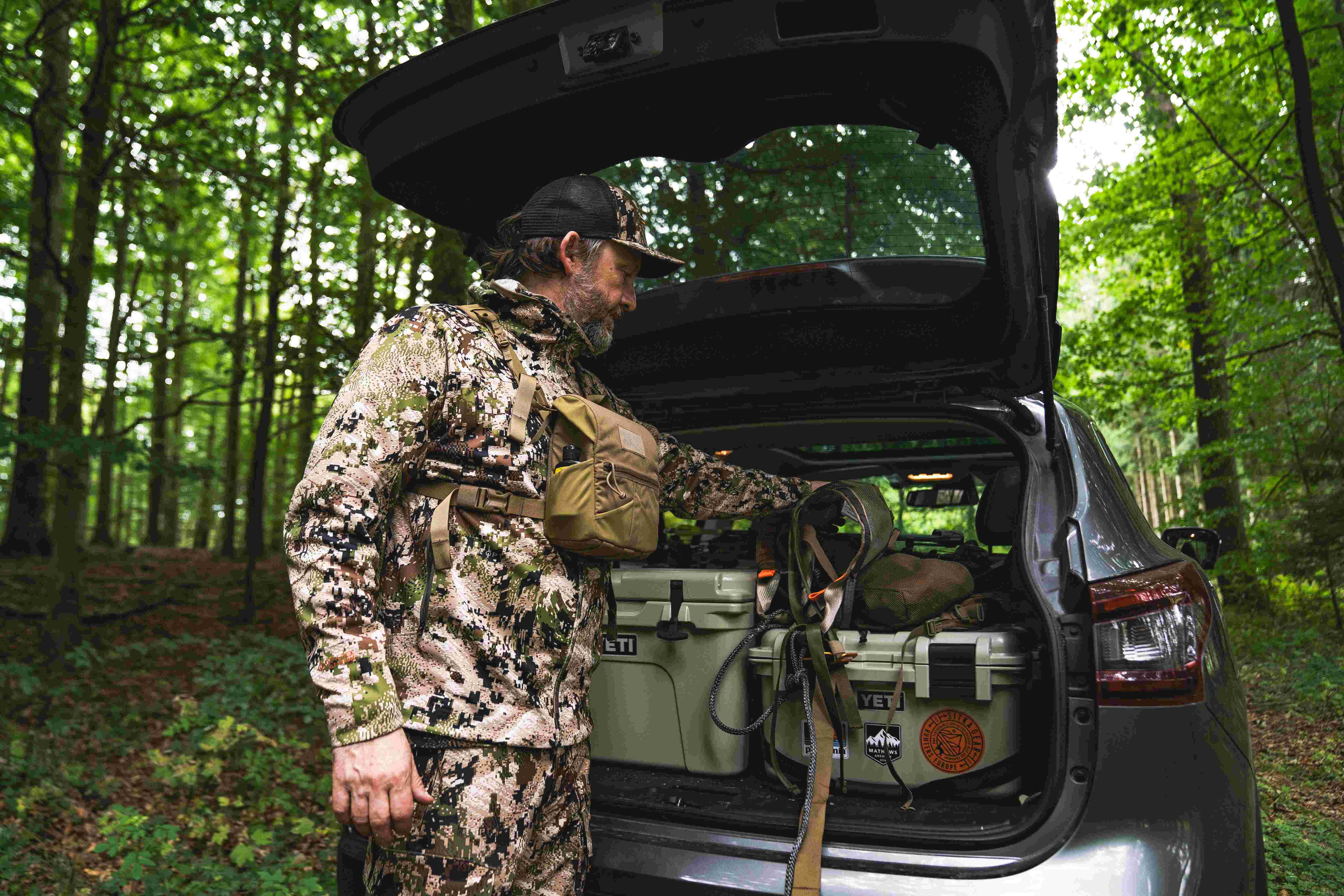
A day-hunt pack does not need to solve every problem. It needs to carry the items you reach for during a normal hunt and do it in a way that stays comfortable while you move. That usually means balancing enough capacity with a layout that feels simple and predictable in the field.
A pack that is too small becomes frustrating because important items end up crammed together. A pack that is too big creates a different problem: wasted space, extra movement, and a stronger temptation to overpack. The right day-hunt pack sits in the middle. It supports the actual hunt without turning it into a hauling exercise.
What matters most in a day-hunt pack
- Enough space for the real hunt: not too small, not oversized.
- Comfort while moving: the pack should ride well and stay manageable.
- Good organization: key gear should be easy to find.
- Quiet, practical carry: the pack should support movement rather than fight it.
This is where many hunters overfocus on capacity and underfocus on layout. The best pack is often not the one with the longest feature list. It is the one that makes the whole hunt feel easier to manage.
How much size do you actually need?
For many day hunts, the goal is enough space for layers, water, small tools, optics support, and hunt-specific extras without drifting into a much larger carry system than the day requires. That is why the right size depends on how you hunt.
A shorter, simpler outing calls for a cleaner pack. A more gear-heavy day may justify more room, but the pack still needs to stay manageable. A useful way to think about it is this: an early-season day hunt often calls for a lighter and simpler pack, while colder weather or longer sits usually justify extra space for insulation, food, and small accessories.
Why organization matters in real field use
A good day-hunt pack should make access easy. Release aid, calls, gloves, snacks, rangefinder support, and smaller tools should not vanish into one deep storage area. When every small task turns into a search, the pack is already working against you.
That is why organization often matters more than a few extra liters of storage. A better layout helps you stay quiet, move with less frustration, and keep your routine more consistent from one hunt to the next.
What people often get wrong
The most common mistake is buying a pack for a hypothetical future hunt instead of the hunts you actually do most often. Another mistake is choosing a pack that looks technical but makes access and organization worse in practice.
A day-hunt pack should reduce friction. If it feels clumsy, pushes you into overpacking, or adds too much bulk in cover, it is probably the wrong match. More features do not automatically mean better hunting.
Good Alps options to compare
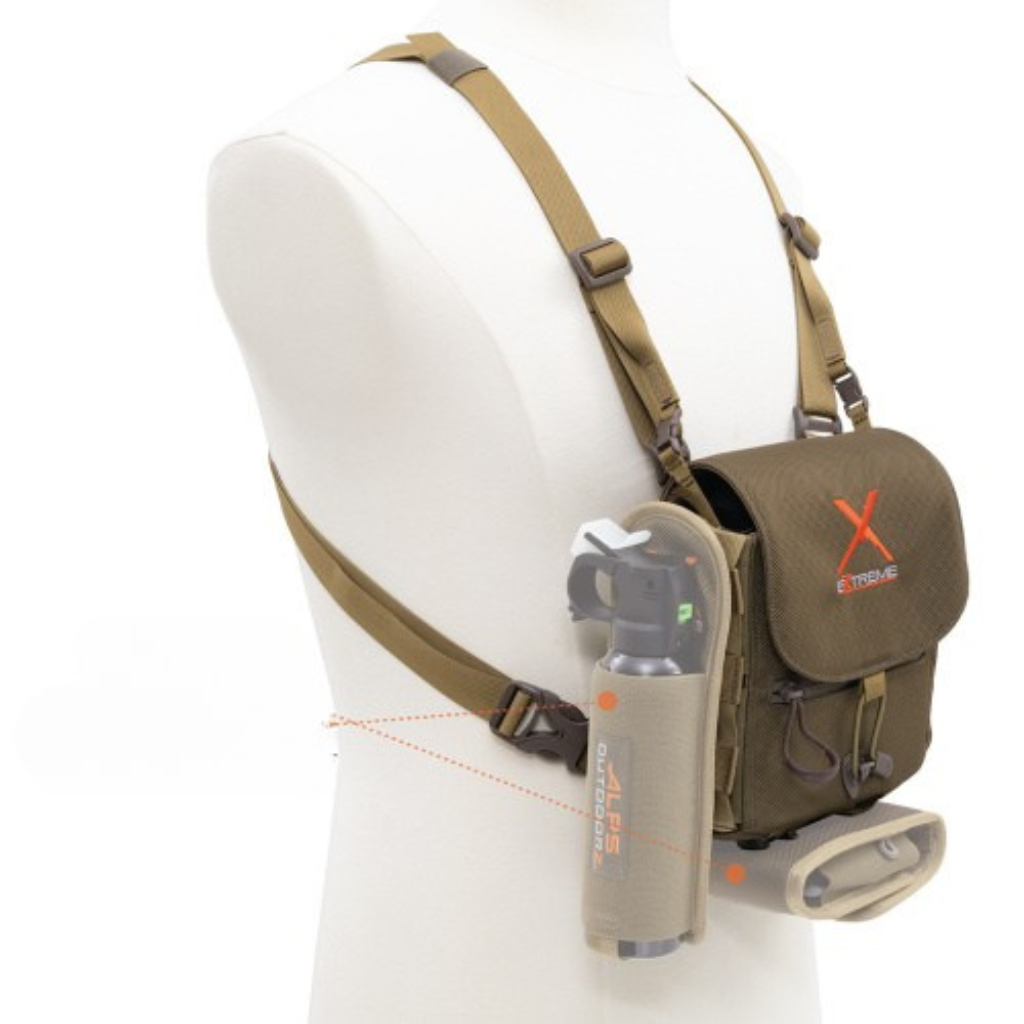
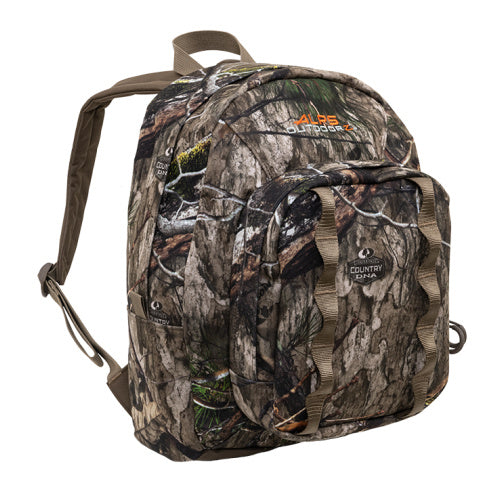
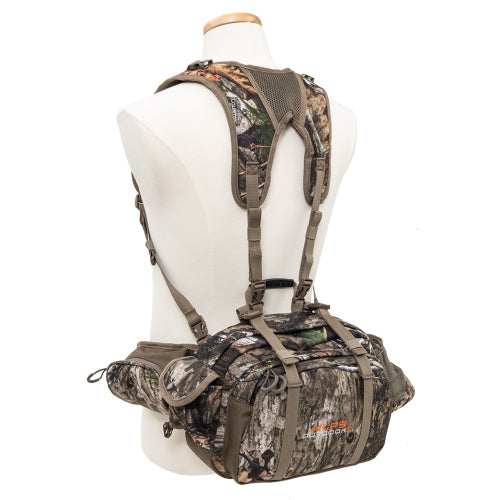
If you want real products to compare, a few useful Alps options stand out depending on what kind of day-hunt setup you prefer. The Alps Outdoorz Pursuit Bow Pack makes sense for hunters who want a more hunting-specific layout. The Alps Outdoorz Big Bear Expandable Day Pack is useful when you want more room and flexibility in a day-pack format. The Alps Outdoorz Covert is another practical option for hunters who want a compact and organized carry system.
If you want to compare more options in one place, the Alps Outdoorz hunting backpacks collection is the next logical step.
How to choose the right one for your hunt
Choose based on how long you stay out, how much clothing and water you carry, and whether you want a more minimal pack or a roomier day-hunt setup. If your hunts are short and efficient, a simpler pack may be the better answer. If your day hunts tend to expand with extra layers, food, or changing conditions, a more flexible day pack often makes more sense.
If your hunts sometimes stretch beyond a simple day setup, it also helps to read What Should You Look For in a Pack for Longer Bowhunting Trips?. That guide explains when a day pack is enough and when a larger, more supportive carry system starts to make more sense.
The practical answer
So what makes a good bowhunting pack for day hunts? It is the pack that carries enough for the hunt, stays organized, rides comfortably, and does not push you into carrying more than you need. The right pack should help you move and hunt more cleanly, not just give you more compartments.
When the size, carry, and access all match the real hunt, the bag becomes a support tool rather than a distraction. That is what separates a merely acceptable day pack from one that genuinely improves the hunt.
FAQ
How big should a bowhunting day pack be?
Big enough to carry the essentials for the hunt you actually do, but not so large that it encourages unnecessary bulk and clutter.
Is a bigger day pack always better?
No. A bigger pack can become less efficient if it makes you overpack or adds movement and weight you do not need.
What should I compare first when choosing a day-hunt pack?
Look at organization, carry comfort, useful access, and whether the pack fits your normal hunt rather than a rare edge-case trip.