Filming Your Hunt: A Beginner’s Guide to Setup and Safety
Filming your own hunt adds a new layer to the experience, but it also adds a real risk of distraction if the setup becomes too complicated. The practical way to start is to keep everything simple, quiet, and predictable. Your filming gear should support your hunting setup, not fight against it.
Key takeaways
- Keep your filming setup simple enough that it does not interfere with your normal hunting routine.
- Prioritize safety, tether position, and shooting movement before camera angle.
- Start with one reliable support piece instead of a large multi-part filming rig.
- Practice your filming position before hunting so the camera feels natural in the tree.
- If you hunt with a filmer, agree on movement, shot lanes, and communication before the action starts.
Start with simple gear
Many hunters make filming harder than it needs to be because they bring too much equipment too early. You do not need a large or complicated setup to capture useful footage. For a beginner, the better goal is a quiet, stable, and repeatable system that does not change the way you hunt.
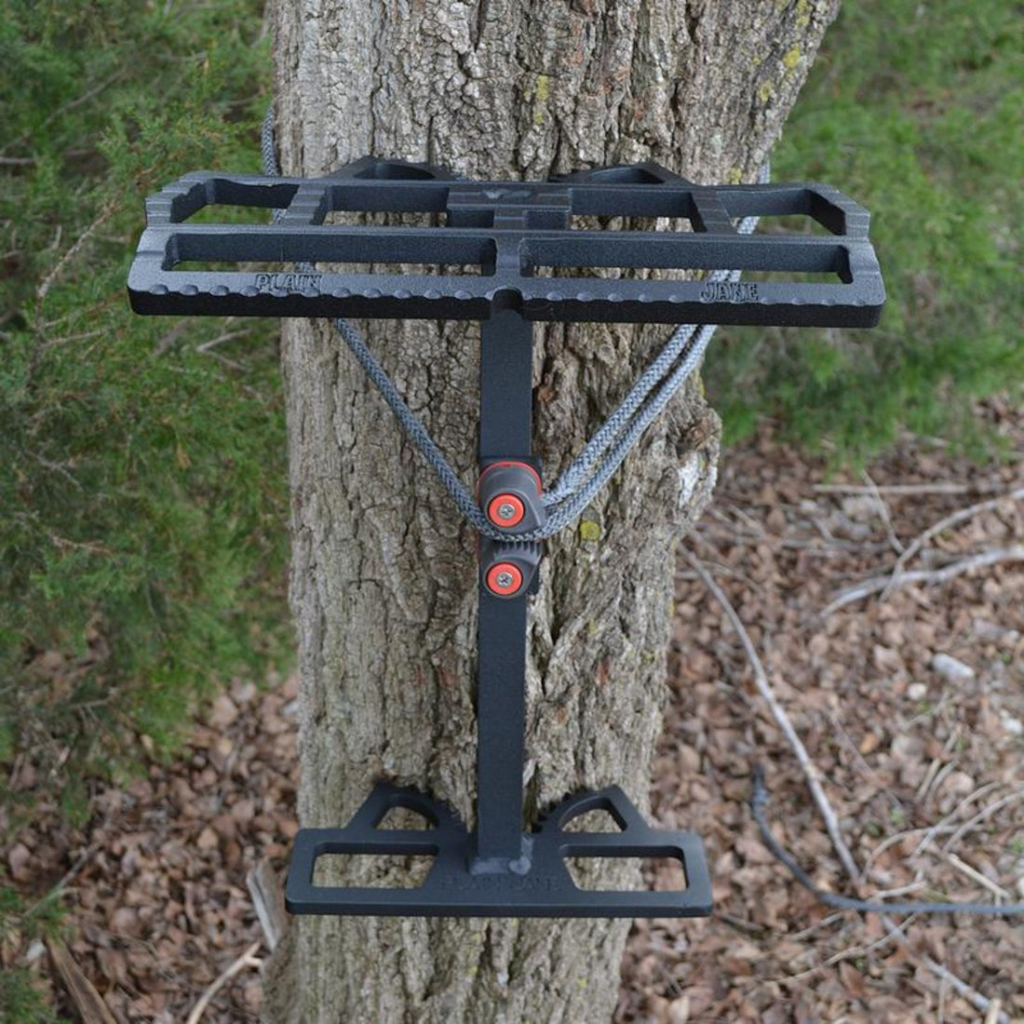
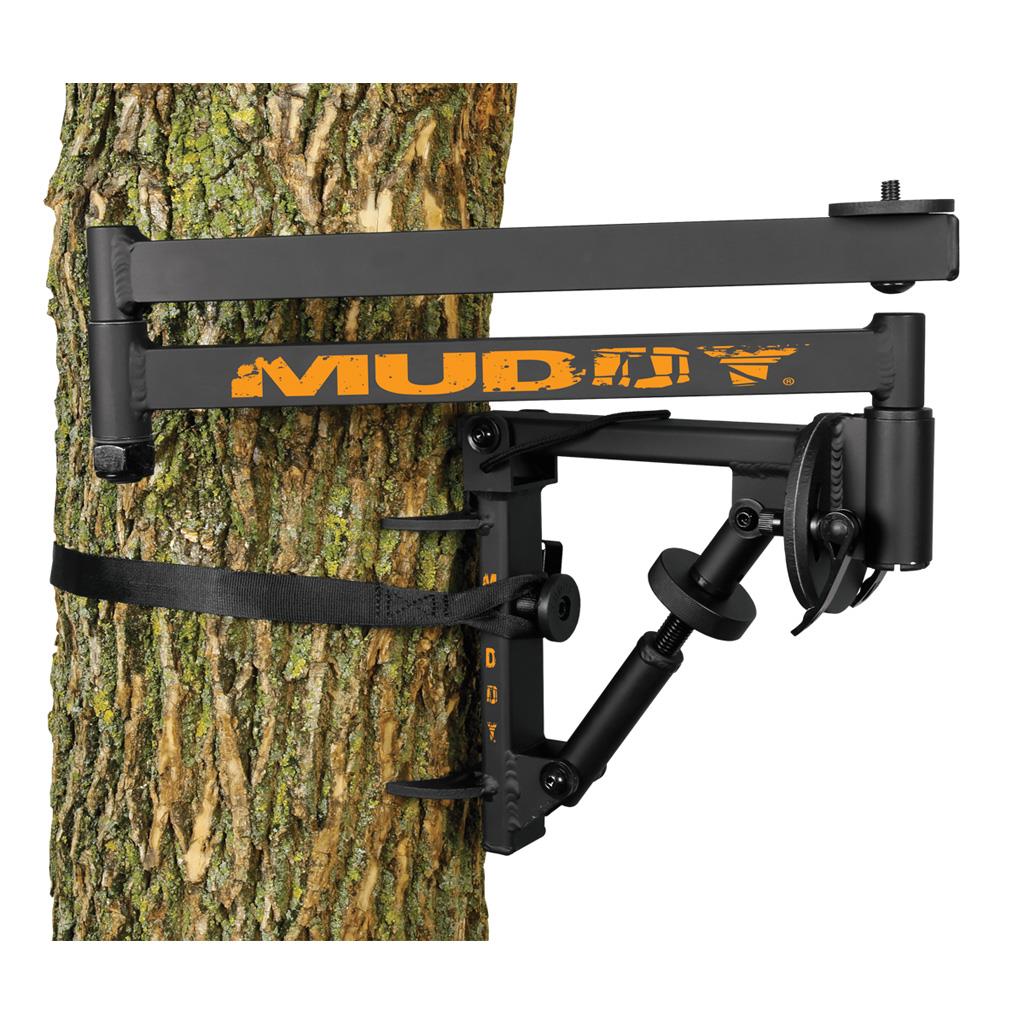
Start with one reliable support piece, such as the Muddy - Outfitter Camera Arm, and build from there only if you genuinely need more. If the camera takes too long to position, makes noise when adjusted, or forces awkward movement, it is already too complicated for a beginner setup.
The best beginner filming system is usually the one you can deploy quickly, leave alone, and trust when the moment comes. Simple gear is easier to learn, easier to repeat, and far less likely to ruin an otherwise good hunt.
Safety comes first
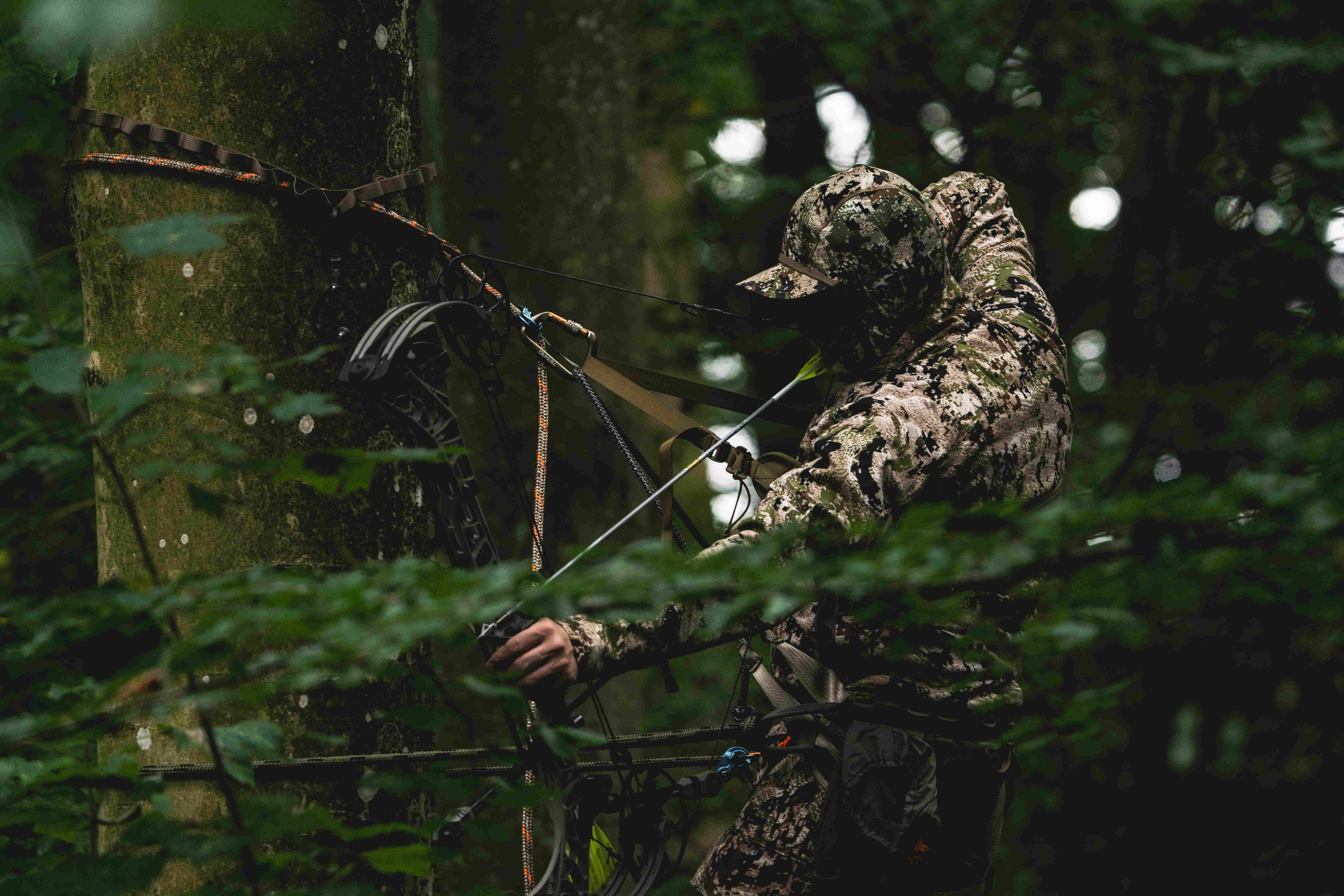
Filming should never come before safety or shot execution. Before thinking about footage, make sure your tether position, stand or platform stability, shooting lanes, and body movement all work without the camera getting in the way.
A common beginner mistake is placing the camera where it looks good instead of where it stays out of the hunting sequence. If the arm blocks your bow movement, makes you twist too far, or encourages you to reach at the wrong moment, the setup needs to change.
Keep the camera secondary. If you need to choose between the shot and the footage, the footage loses every time. A simple and safe setup will nearly always produce better real hunting footage than an ambitious setup that creates stress at the wrong moment.
How to place the camera without ruining the hunt
The goal is not to create a studio shot in the tree. The goal is to capture a believable, useful view of the hunt while preserving your ability to move naturally. In most cases, it is better to get clean footage of the sequence than to chase an angle that adds noise, delay, or awkward body position.
Try to frame the area where the animal is most likely to appear while still leaving room for your draw and shot process. Think through what happens before the animal arrives: where the camera starts, when you touch it, and when you stop adjusting it. That routine matters more than small improvements in angle.
If you are new to filming, set the camera where it can stay useful with minimal interference. The more often you have to correct it during the hunt, the less natural your hunting flow becomes.
Practice the full filming sequence before a real hunt
One of the easiest ways to improve both safety and footage quality is to rehearse the full sequence before taking the setup into the field. A short practice session can show you whether the camera arm is in the way, whether you can still turn comfortably, and whether your draw cycle stays clean.
Do not practice only the final shot angle. Practice everything around it: sitting or standing in position, checking the lane, reaching the camera if needed, settling into the shot, and following through naturally. The more familiar the setup feels, the less likely it is to distract you when an animal actually appears.
This is also where simple gear proves its value. When the system is easy to rehearse, it becomes easier to trust in real conditions.
If you are two: one hunting and one filming
When one person hunts and the other films, the biggest advantage is that the hunter can stay focused on the shot. But that only works if both people know their roles before the action starts.
The filmer should have a position that does not block the shooting lane or force the hunter to adjust. It also helps to agree in advance on where the animal is likely to appear, where the shot window is, and when the filmer should move or stay still.
Good communication before the hunt matters more than whispering corrections at the critical moment. The cleaner the plan, the better the footage and the lower the risk of confusion when things happen quickly.
Keep expectations realistic as a beginner
Good hunt footage does not always mean cinematic footage. If you are starting out, your first goal should be to hunt well while capturing enough of the sequence to learn what works. A stable camera position, clean shot sequence, and honest field view are already valuable results.
As your routine improves, you can experiment with better angles, more refined camera placement, or a more advanced system. But beginners usually progress faster by mastering a basic setup first instead of trying to copy an experienced filming rig too early.
That practical approach also makes your setup easier to carry, quicker to deploy, and less likely to create noise in the tree.
The practical answer
Filming your hunt is worth doing if the setup stays simple, safe, and repeatable. Beginners usually get better results from a quiet basic system than from a large filming rig with too many moving parts.
Focus first on stability, safety, and shot freedom. Then practice enough that the camera becomes part of the routine instead of a distraction. In the long run, the best footage usually comes from the setup that lets you hunt naturally.
FAQ
Is filming my own hunt too distracting?
It can be if your setup is too complicated. A simple, repeatable camera position is much easier to manage than a larger filming rig with too many adjustments.
What is the most important piece of filming gear?
A stable and quiet mounting solution matters most because it affects both footage quality and how naturally you can hunt.
Should beginners film with a phone or a camera?
Either can work if the setup is stable and easy to operate. The better choice is the option you can use confidently without adding stress in the moment.
How do I avoid missing the shot because of filming?
Practice the entire setup before hunting. If you already know where the camera sits and when you will touch it, you are less likely to get distracted when an animal appears.