
Silencing and Organizing Your Tree Setup: The Mobile Hunter's Guide
You have mastered the climb. You have your saddle or treestand set. You have your gear pulled up. But then it happens: the clatter of a climbing stick against a platform, the zip of a bag, or the squeak of a gear hanger. In the quiet of the woods, noise travels fast, and for a mobile hunter, a single unnecessary sound can be the difference between staying hidden and blowing the whole setup.
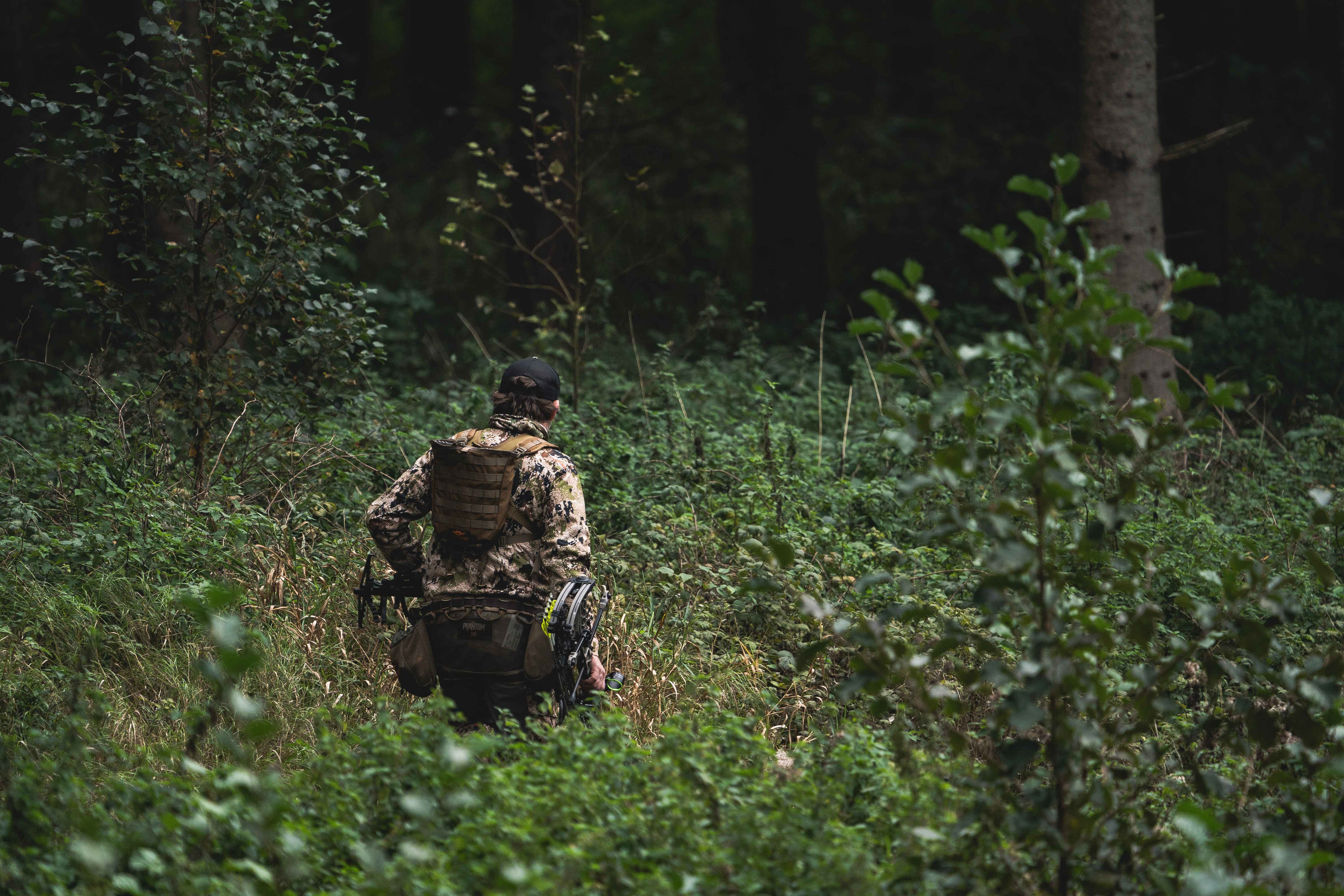
Mobile hunting is not just about moving fast. It is about moving quietly and staying organized enough that your gear does not create problems when the moment matters. Whether you are saddle hunting, using a hang-on treestand, or one-sticking, your ability to silence gear and keep it organized is a real field skill, not a minor detail.
Key takeaways
- Most setup noise comes from metal-on-metal contact, loose accessories, and poor organization.
- Silencing tape works best when it is applied to real contact points instead of wrapped randomly everywhere.
- A clean tree setup is easier to hunt from because the gear stays where you expect it to be.
- Good organization reduces movement, and reduced movement often matters as much as reduced sound.
- The best quiet setup is one you test before the hunt, not one you try to fix in panic when already in the tree.
Why noisy setups fail in the field
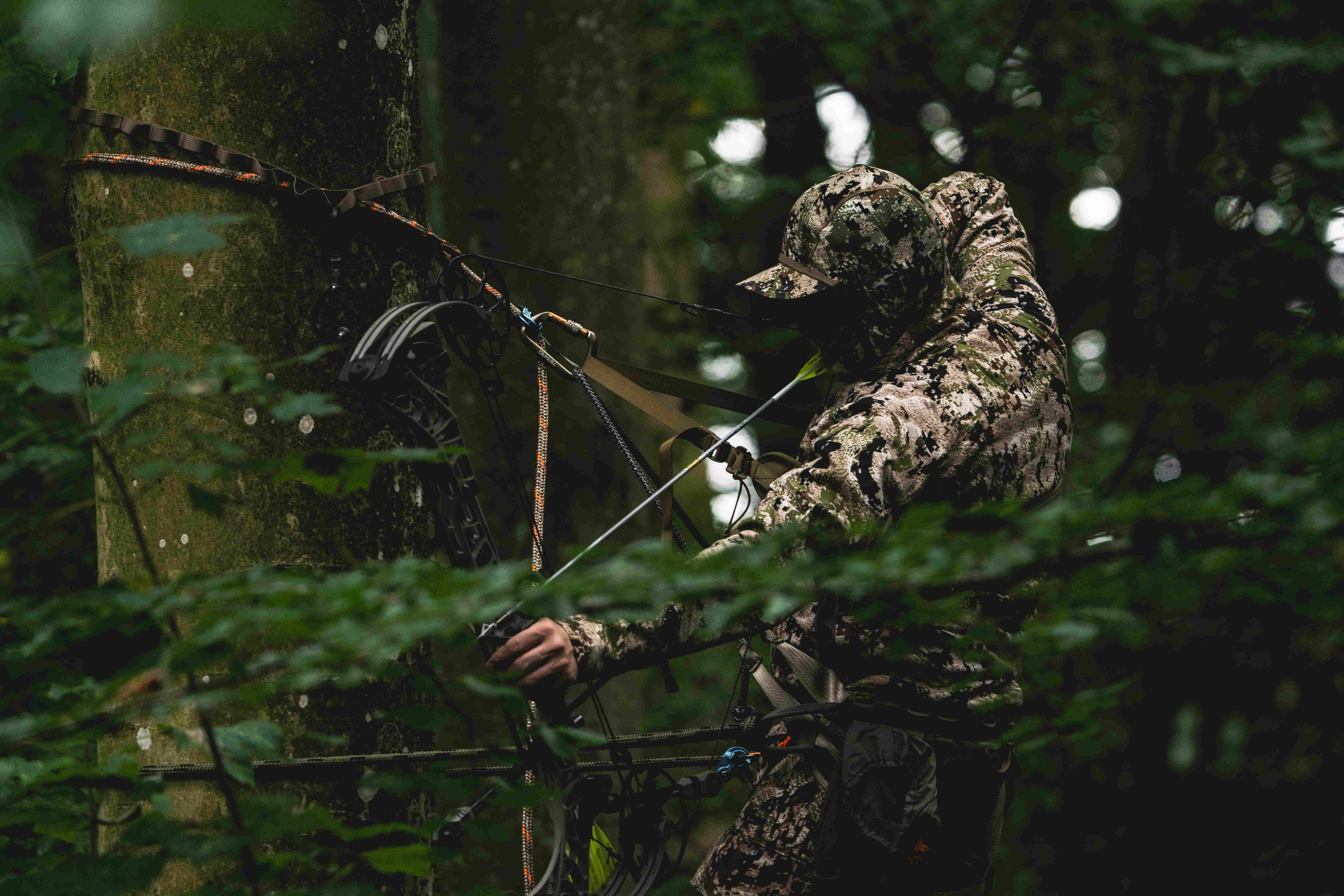
Most hunting noise is not caused by one dramatic mistake. It usually comes from repeated contact points: sticks tapping together, a buckle hitting metal, a bow hanger squeaking, or a loose zipper pull moving when the hunter shifts. Those small sounds become much bigger in still air and close cover.
A noisy setup also causes another problem: extra movement. If you have to keep adjusting gear, searching for items, or trying to stop something from rattling, you create more opportunities to be noticed. That is why a quiet setup is also usually a cleaner and more efficient setup.
Silencing tape is the first line of defense
Silencing tape is one of the simplest tools for reducing gear noise, but it works best when you apply it with intention. The goal is not to wrap everything blindly. The goal is to cover the points where gear actually touches, shifts, or rubs.
If you want the wider background first, it also helps to read What Is Silencing Tape Used For?. That article explains why tape matters and where it is most useful in a setup.
Where to apply tape for maximum silence
The most useful areas to check first are:
- stick joints: where climbing sticks lock together or rest against the platform
- buckles and cam-buckles: where metal hardware taps against sticks, stands, or tree contact points
- carabiners: where gate movement or metal contact creates a sharp clink
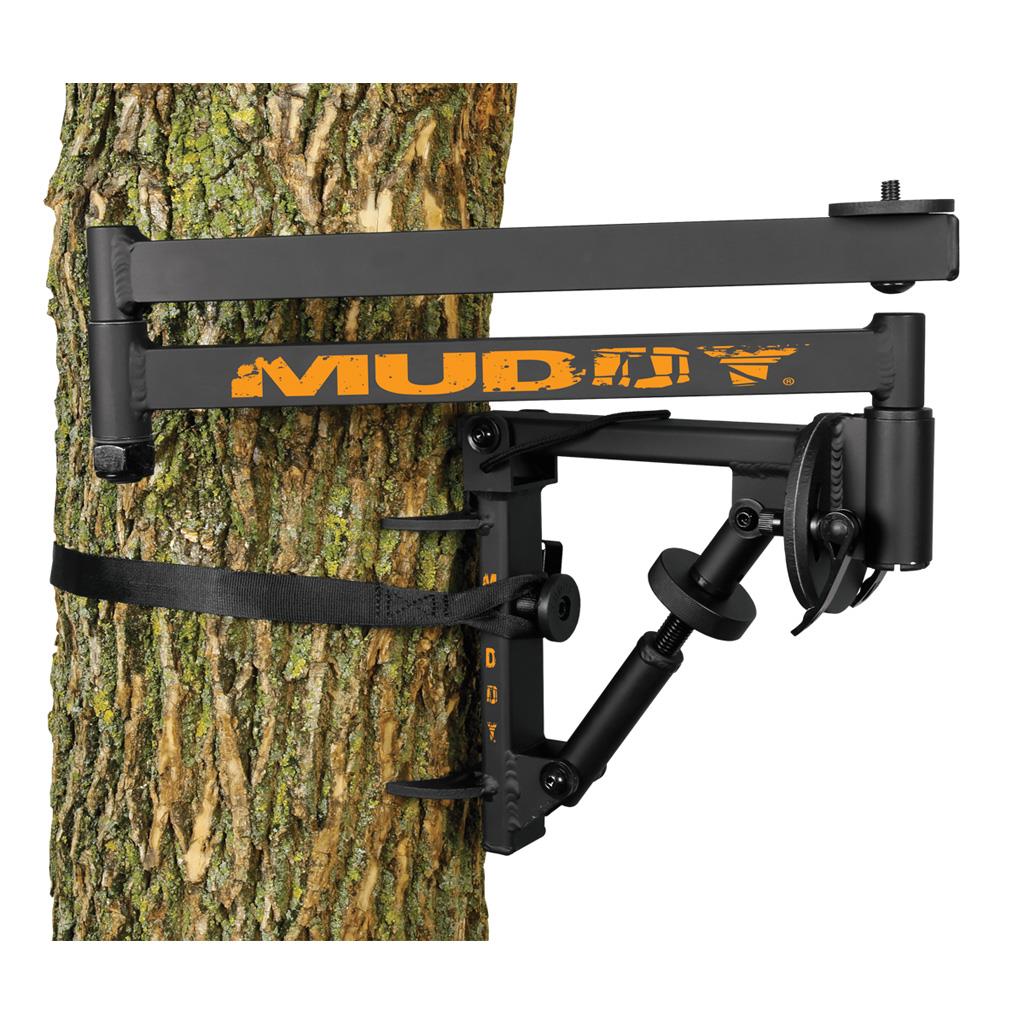
- camera arms or accessory mounts: especially at pivots and base contact points
- gear hangers and hooks: where a small squeak or tap can keep repeating through the hunt
A fresh and careful application usually works better than a rushed wrap job. Replace old tape when it starts lifting, collecting dirt, or losing its grip.
Organization matters as much as silencing
A cluttered tree setup is usually a noisy one. If you are digging through a bag to find your rangefinder or release, you are moving too much and giving the setup too many chances to make sound. Good organization reduces both time and motion.
Your setup should be easy to use almost without looking. The less searching you do, the quieter and more controlled the hunt becomes.
Use a simple zone system in the tree
A practical way to organize your setup is to think in three zones:
- The reach zone: bow, release, rangefinder, and the few items you may need immediately
- The work zone: climbing gear, backup calls, snacks, and items you may need but not constantly
- The storage zone: extra layers, emergency items, and gear that should stay packed unless conditions change
This matters because organization is not just about looking tidy. It is about knowing where things are without having to shift, bend, and search in a way that creates noise.
What support gear helps most
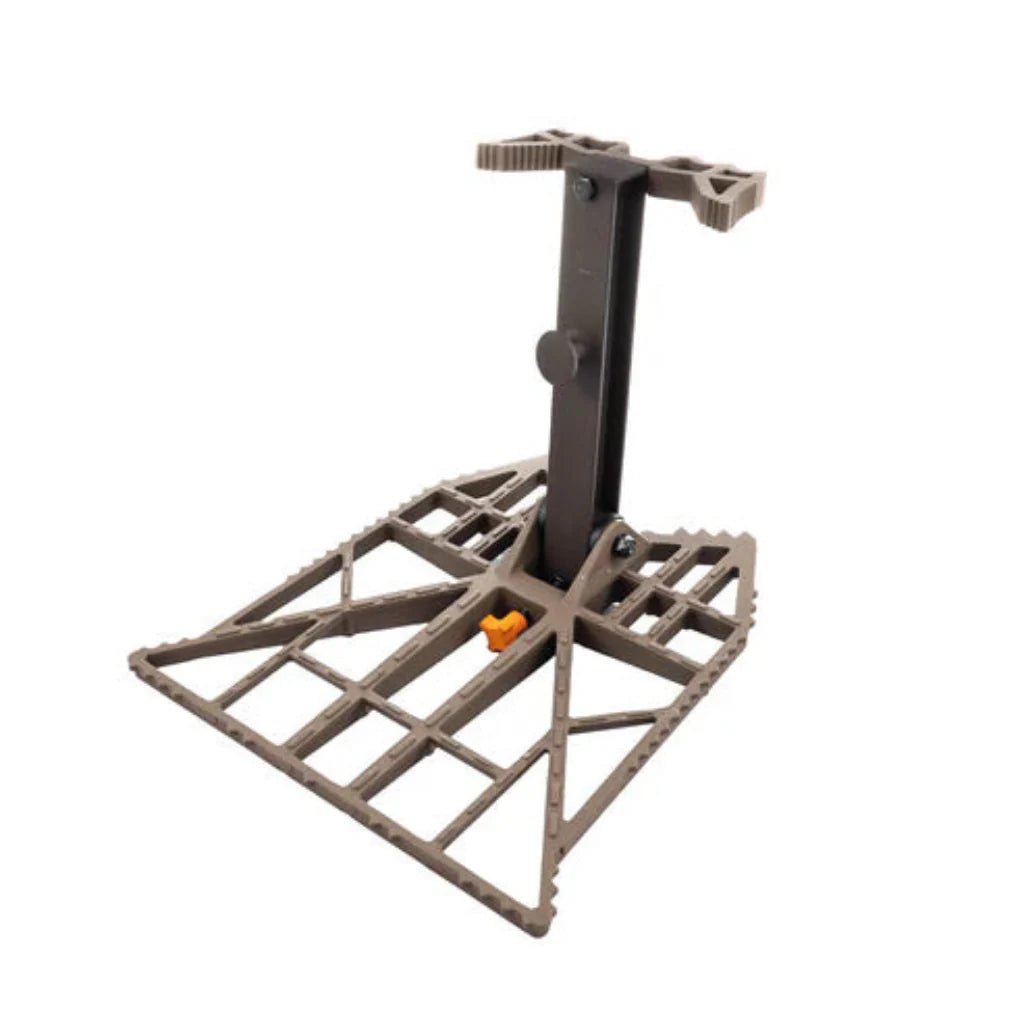
A cleaner setup often comes from a few useful accessories rather than a complicated rework of the whole system. A properly placed hanger or mount can make gear much easier to manage without forcing you to move around the platform more than necessary.
If you want real examples to compare, a product like the HME Universally Mountable Bow Holder can help create a more controlled bow position, and the Muddy Outfitter Camera Arm is relevant if your setup includes filming and you want to manage those extra movement and noise points better.
Do not over-silence the setup
Quiet gear is good. Overbuilt quiet gear can become its own problem. If you wrap too much material on locking points or moving parts, you may affect how the system works, especially in cold or wet conditions.
It is also worth being careful with soft absorbent materials. Some materials get heavier, wetter, or stiffer in poor weather, and that can turn a quiet setup into a frustrating one. The better approach is targeted silencing, not maximum wrapping.
Common mistakes hunters make in the tree
- ignoring zipper pulls: metal zipper tabs often make more noise than expected
- letting ropes hang loose: extra rope length can slap against the tree or platform
- placing gear without a system: items that are just "set down" usually end up moving and making noise
- trying to fix everything at once in the tree: quick panic adjustments usually create even more sound
Most of these problems are easier to solve at home than in the woods. That is why pre-hunt setup testing matters so much.
The pre-season shake test
One of the most useful habits is a full shake test before the season or before a serious hunt. Strap the gear together the way you actually carry it, lift it, move it, and listen. If something rattles, taps, or squeaks, find the contact point and fix it before the hunt.
This is also the right moment to check whether the setup still feels organized. A quiet setup that is hard to use is still a weak setup. Silence and organization need to work together.
The practical answer
Silencing and organizing your tree setup is not just about making gear quieter. It is about making the whole hunt more controlled. A setup that stays quiet, predictable, and easy to work from helps you move less, hunt more confidently, and reduce the chances of giving yourself away at the wrong moment.
The best tree setup is not the one with the most gear. It is the one where every piece has a place, every noise point has been addressed, and the whole system works the same way every time you climb.
FAQ
What is the biggest source of noise in a tree setup?
Usually metal-on-metal contact, loose gear, and poor organization rather than one single large problem.
Should I tape every part of my setup?
No. Focus on real contact points and repeated noise sources rather than wrapping everything without a plan.
What is the best way to keep tree gear organized?
Use a simple zone system so your most-used items stay close and your lower-priority gear stays packed and controlled.