One-Sticking Guide: How to Master the Climb, Hunt, and Rappel
One-sticking has become one of the most talked-about climbing methods in modern mobile hunting, but it only makes sense when the hunter understands what problem it is solving. The appeal is clear: less bulk, fewer separate climbing pieces, and a cleaner route into difficult trees once the method is learned properly. The challenge is that one-sticking also demands more rope awareness, more organization, and more practice than a simpler multi-stick route.
Key takeaways
- One-sticking is best approached as a compact and efficient mobile hunting method, not as a shortcut that removes the need for practice.
- The method works best when the full system is organized well: stick, tether, ropes, rappel sequence, and gear management.
- Rope management is one of the biggest differences between one-sticking and more basic climbing systems.
- Confidence in the transition from hunting position to rappel matters as much as the climb itself.
- One-sticking is usually the right fit for hunters who care strongly about compact carry and are willing to train accordingly.
What one-sticking is really trying to solve
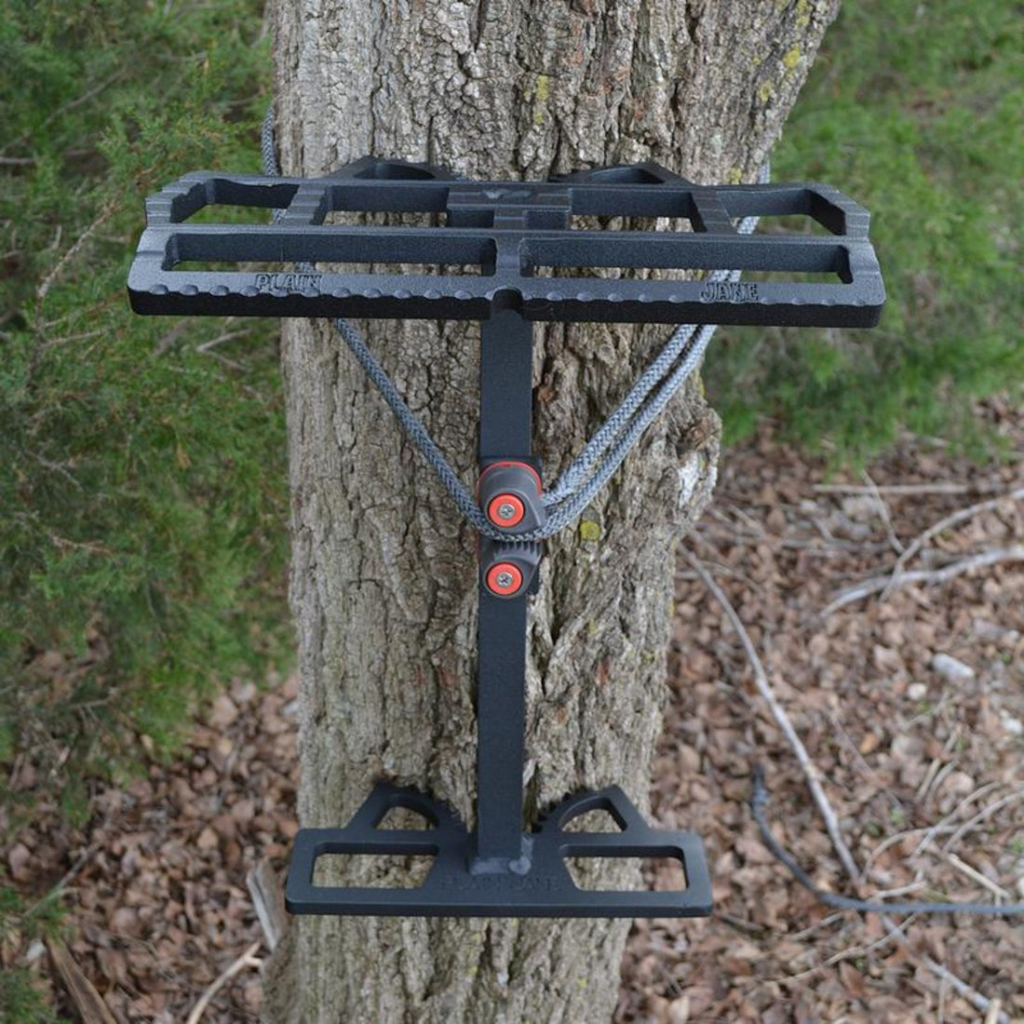
At its core, one-sticking is a way to reduce bulk and simplify the climbing hardware you carry into the woods. Instead of carrying several climbing sticks, the hunter works with one stick and a repeatable climbing sequence. That makes the method especially attractive to hunters who care about compact carry, difficult access, and lighter mobile setups.
That does not mean it is automatically the best method for everyone. It means it solves a specific problem very well for the right user. Hunters who still want the simplest learning curve often do better starting with several sticks before moving into one-sticking later.
Why the method appeals to mobile hunters
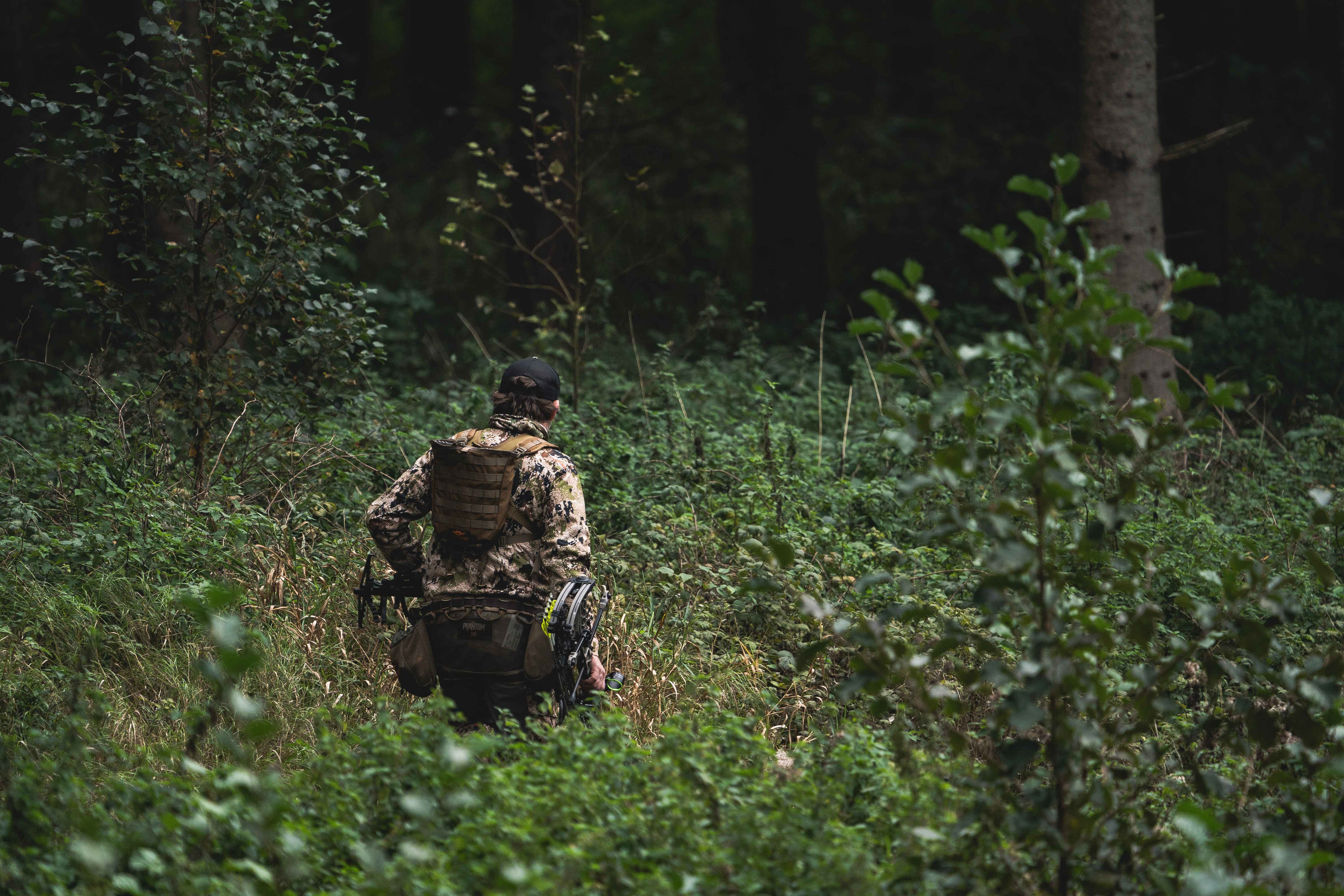
The biggest attraction is simple: fewer pieces, less bulk, and a cleaner setup once the technique is learned. That can make a real difference when you are moving through cover, hunting awkward access, or trying to keep your entire elevated system tighter and more efficient.
For hunters who are already committed to the mobile approach, one-sticking often feels like a natural next step. The benefit is not only lower bulk on paper. It is the way the whole system can feel more streamlined in the field.
The core gear logic behind one-sticking
One-sticking works best when every part of the setup has a clear role. The main stick matters, but so do the tether, rappel rope, rope storage, and the way the system is carried and managed during the hunt. A messy one-stick system quickly stops feeling efficient.
If you want current product examples, the Out On A Limb Big B.O.B. One Stick and the Out On A Limb Plain Jane One Stick are the clearest direct product fits for this topic. Both reflect the kind of purpose-built one-stick setup hunters are usually comparing when they move away from several sticks.
Why rope management matters so much
Rope management is one of the biggest differences between one-sticking and simpler climbing approaches. A hunter can carry the right one stick and still have a poor experience if the ropes feel messy, awkward, or hard to manage in the dark and under field pressure.
That is why support gear matters. The Out On A Limb ACO One-Stick Saddle Pouch is relevant because it helps keep rope and accessory management more controlled. The more organized the ropes and transition sequence feel, the more useful the method becomes.
The climb is only half the system
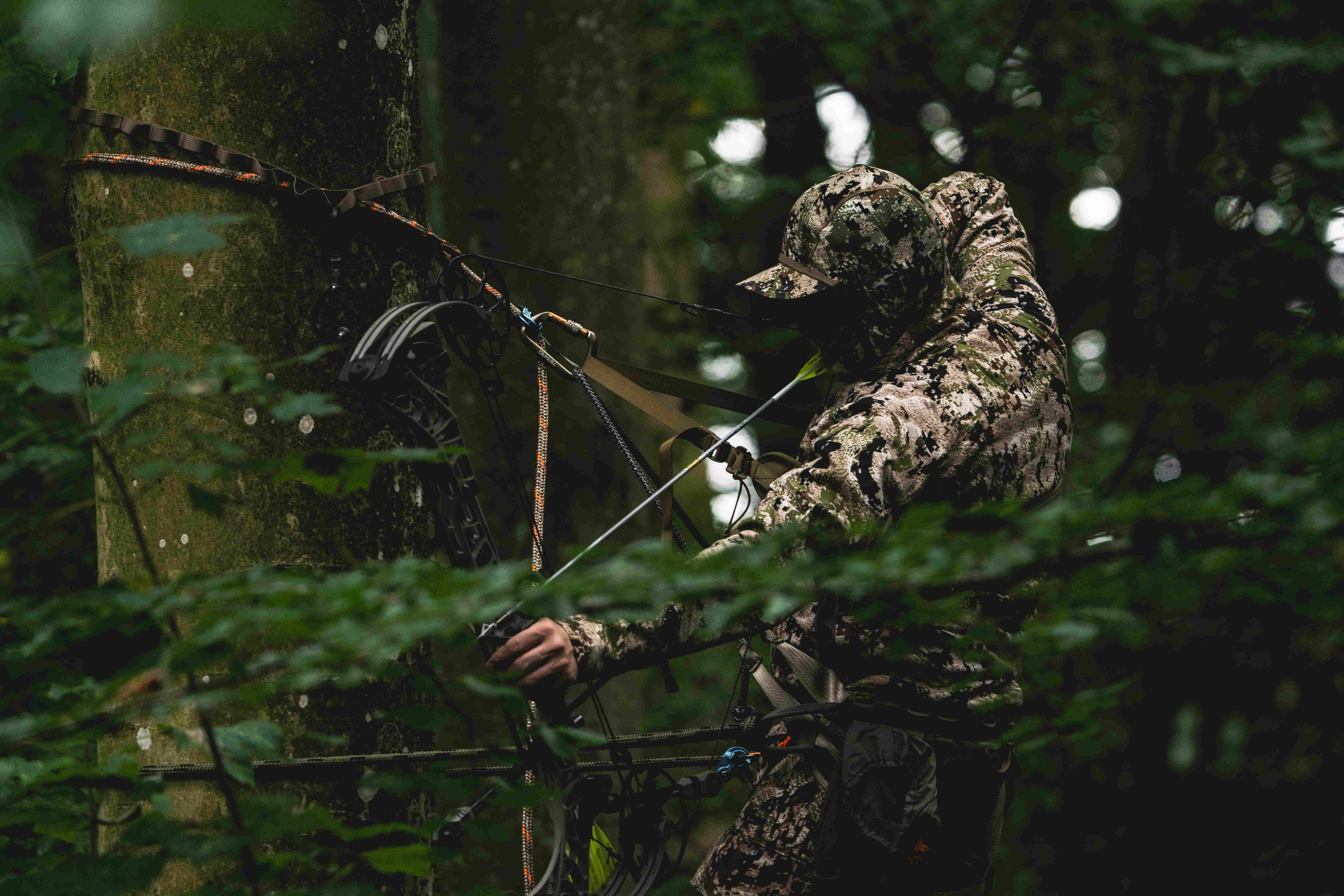
One mistake hunters sometimes make is focusing only on the ascent. In reality, one-sticking includes the entire system: climb, hunting position, and rappel down. If the hunter is comfortable with the climb but not with the transition or descent, the setup is not fully ready.
This is why one-sticking should not be judged only by how compact it feels in the pack. The real question is whether the full sequence feels controlled and repeatable. If one part of the sequence still feels shaky, that part needs more work before the method is fully trusted in the field.
Why the rappel matters just as much
The rappel is not an afterthought. It is one of the defining parts of the method. A hunter who wants to one-stick effectively should be just as confident in the transition and descent as in the upward climb.
That matters because many of the problems in one-sticking do not show up on the way up. They show up when switching systems, managing rope under fatigue, and keeping the whole sequence calm and controlled at the end of the hunt. The cleaner that transition feels, the more the method makes sense.
What hunters often get wrong
- assuming one-sticking is automatically simpler: it is often more compact, but not always easier to learn
- underestimating rope organization: a messy rope system quickly becomes frustrating
- rushing the learning process: the method works best when trained properly before real hunting use
- focusing on gear only: the technique and transition matter just as much as the stick itself
- skipping the bigger setup logic: the one-stick system should still fit the rest of the hunting setup
These mistakes do not necessarily mean the method is wrong. They usually mean the system or training is incomplete.
How one-sticking compares with several sticks
Hunters deciding between these methods should think in terms of tradeoffs. One-sticking usually wins on compactness and reduced hardware bulk. Several sticks usually win on learning simplicity and immediate confidence. That is why neither method is automatically better.
If you want the direct comparison, it also helps to read One-Sticking vs Climbing With Several Sticks. That article explains when a hunter should prioritize compact carry and when a simpler multi-stick route still makes more practical sense.
How to decide if one-sticking is right for you
Ask yourself what you want the climbing system to solve. If your biggest frustration is pack bulk, awkward access, or the desire to move through the woods with fewer separate pieces, one-sticking becomes a much stronger fit. If your biggest need is immediate confidence and the simplest route to an elevated setup, a multi-stick system may still be the better answer.
One-sticking makes the most sense when you are willing to practice enough that the entire sequence feels deliberate. The benefit is not just a smaller system. It is a more compact system you genuinely trust.
The practical answer
One-sticking is a highly practical mobile hunting method for the right hunter, but it only works well when the full system is understood and practiced. The appeal is reduced bulk and a cleaner climbing setup. The tradeoff is that you need more rope awareness, a stronger transition routine, and more training before the method feels natural.
For hunters who care strongly about compact carry and are willing to build the skill properly, one-sticking can be an excellent fit. The right question is not whether it looks advanced. It is whether it matches the way you want to hunt.
FAQ
Is one-sticking harder to learn than climbing with several sticks?
For most hunters, yes. The added rope management and rappel sequence usually make it more technique-dependent than a simpler multi-stick setup.
What is the main benefit of one-sticking?
The main benefit is reduced bulk and a cleaner mobile carry system for hunters who want a more compact elevated-hunting setup.
What product types matter most in a one-stick setup?
The one stick itself, rope management solutions, and the wider transition/rappel system matter most because the method depends on all of them working together cleanly.