What Should You Look For in a Pack for Longer Bowhunting Trips?
A pack for longer bowhunting trips needs to do more than simply hold extra gear. It has to carry weight in a way that still feels manageable, keep important items organized, and give you enough flexibility to handle changing conditions without turning the hunt into a burden. The right pack should support the trip instead of becoming one more problem to solve in the field.
Key takeaways
- Load-carry comfort matters much more on longer trips than it does on short day hunts.
- Good organization means useful access and separation, not endless compartments for the sake of it.
- The best pack is the one that matches your realistic load, not the biggest one you can buy.
- Longer hunts expose weaknesses in fit, support, and carry stability much faster than short outings do.
- A strong longer-trip pack should feel supportive when filled, not just impressive when empty.
Why longer trips change the pack decision
On a shorter hunt, a few compromises in comfort or organization might be tolerable. On a longer trip, those small weaknesses get magnified. A pack that shifts poorly, carries awkwardly, or makes access frustrating becomes more annoying with every hour in the field.
That is why longer-trip pack choices should be judged less by marketing language and more by how the system handles weight, movement, and repeated use. The pack has to stay useful deeper into the trip, not just look capable in a product photo.
Start with load-carry comfort
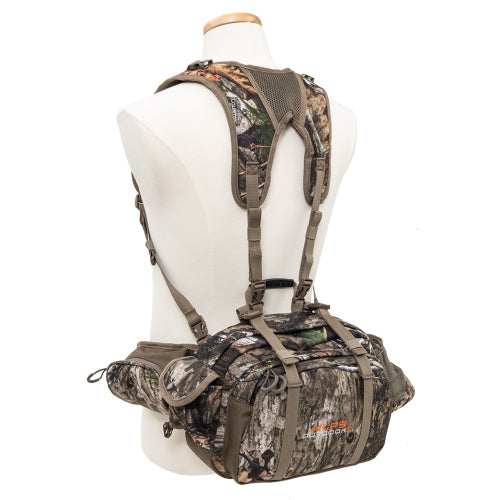
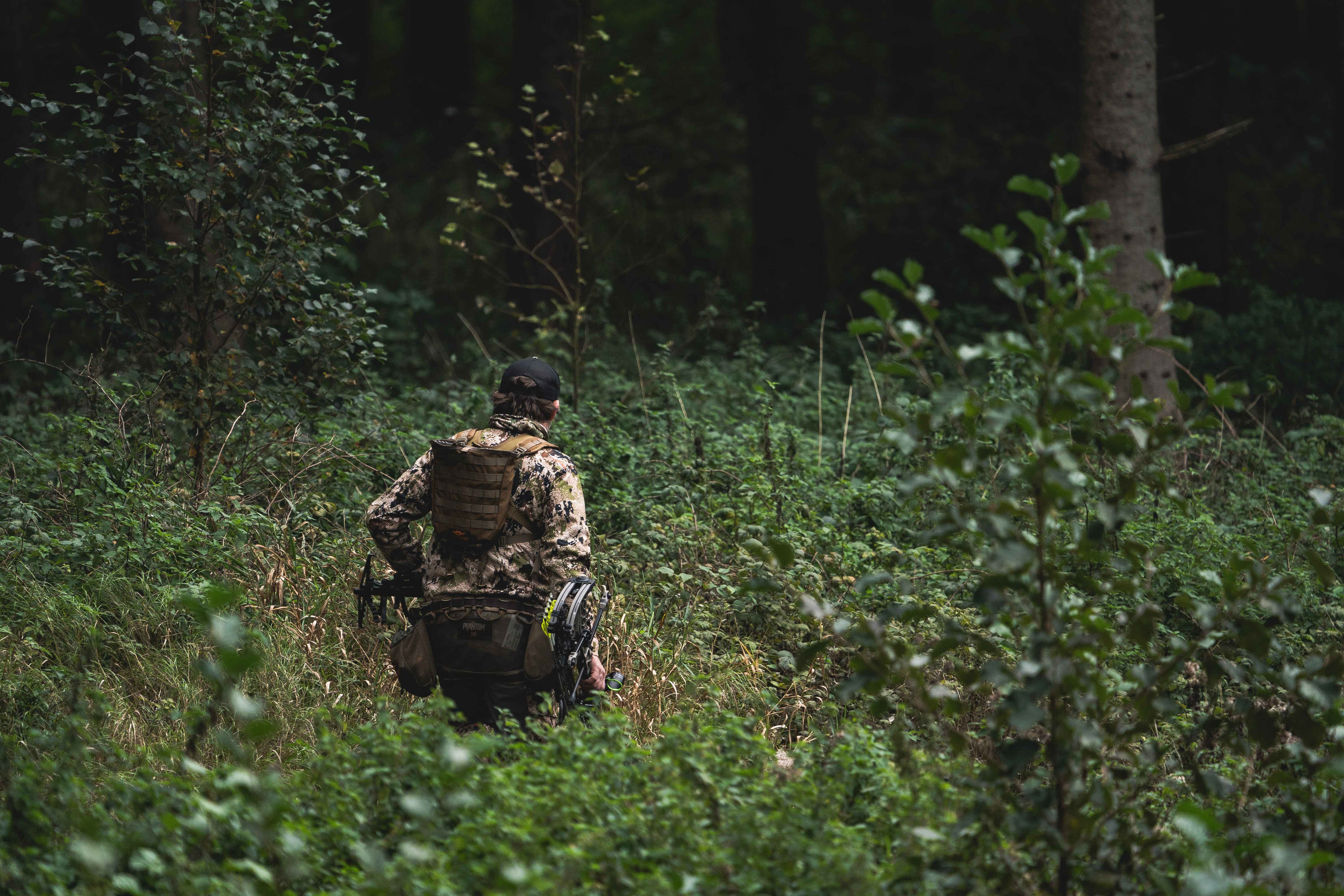
The first thing to prioritize is how well the pack carries a heavier load. Shoulder comfort matters, but so does the way the whole pack sits on the body when it is actually filled. A longer-trip pack should feel stable and supportive rather than sloppy or top-heavy.
If the load feels wrong early, it usually feels much worse later. This is where a stronger carry frame, better fit, and smarter load distribution matter far more than they do on a simple day hunt. For longer bowhunting trips, comfort is not a luxury feature. It is part of staying functional in the field.
How much organization do you really need?
Longer trips usually involve more layers, more food, more water, and more gear decisions. That does not mean the best answer is endless compartments. Good organization is about access and separation without making the pack feel overbuilt.
You want to know where key items are and reach them without unpacking half the system every time something changes. The more hours you spend out, the more that kind of access matters. A good layout saves time, reduces frustration, and helps the whole system stay quieter and more controlled.
Do not choose only by liters or size on paper
One common mistake is choosing the biggest pack available because longer trips sound like they automatically require maximum size. That often leads to overpacking and carrying more than the hunt actually needs.
The better approach is to match the pack to the realistic load: clothing layers, hydration, food, optics support, essential accessories, and any trip-specific equipment that genuinely belongs on that hunt. A pack should be sized for the real trip, not an imagined extreme use case you may rarely or never do.
What features become more valuable on longer trips
As the trip gets longer, some features become more useful. Better load support, practical compression, easier external carry, and smarter access points all matter more when the pack has to work for more hours and with more gear.
Durability and stability also matter more because a longer hunt gives the pack more chances to become annoying if the system is poorly thought out. On a short outing you may tolerate a bad detail. On a long trip, you will notice it over and over.
Good Alps options to compare
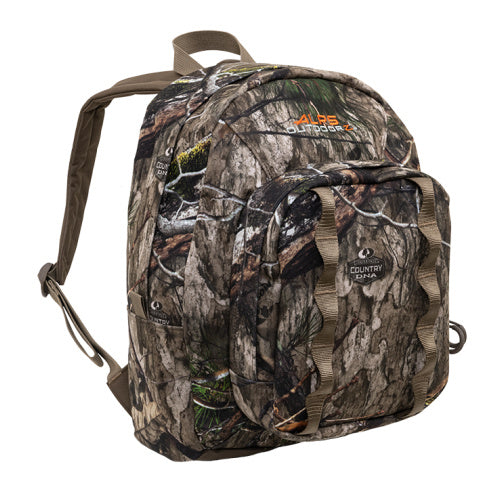
If you want real products to compare, the Alps Outdoorz Prospector is a strong place to start for hunters thinking about a larger and more capable carry system. The Alps Outdoorz Commander + Pack is also relevant if you want to compare a more substantial hauling setup.
Hunters who are still closer to the line between day-hunt use and longer carry use may also want to compare the Alps Outdoorz Big Bear Expandable Day Pack. For a wider comparison set, the Alps Outdoorz hunting backpacks collection is the logical next step.
What people often get wrong on longer trips
The most common mistake is trying to solve a longer trip by simply scaling up a smaller-pack mindset. Another is ignoring how the pack works when fully loaded. A pack that feels fine when empty can feel very different when it is carrying what the trip really demands.
Longer hunts expose weaknesses in fit, support, and access much faster than short outings do. One practical mistake is overpacking too early. Many hunters assume a longer trip always means they need the biggest pack possible, but in reality the better choice is often the pack that carries the expected load well and still compresses cleanly when the setup stays lighter than planned.
How to choose the right one
Choose based on your normal trip length, expected load, and how much structure you need in the carry system. If your longer trips are still relatively streamlined, a flexible but not excessive pack may be the better answer. If you regularly carry heavier loads and need more support, move toward a pack built to handle that reality instead of hoping a smaller system will stretch far enough.
If most of your hunts are still simple day trips, it is also worth reading What Makes a Good Bowhunting Pack for Day Hunts? and How to Choose the Best Backpack for Bow Hunting. Those comparisons often make it easier to see whether you truly need more structure and load support or just a smarter version of a day-hunt setup.
The practical answer
So what should you look for in a pack for longer bowhunting trips? Look for a pack that carries weight well, stays organized without becoming chaotic, and matches the real demands of your hunts instead of an imagined extreme use case. The right pack should help you stay functional deeper into the trip, not just give you more space to fill.
When comfort, support, and useful access all line up, the pack becomes an asset rather than a burden. That is what matters most on a longer bowhunting trip.
FAQ
Do longer bowhunting trips always require a much bigger pack?
No. They require the right carry system for the real load, not automatically the biggest pack available.
What matters most in a longer-trip hunting pack?
Load-carry comfort, practical organization, and how stable the pack feels when it is actually filled with the gear you plan to carry.
Should I compare a day pack and a larger pack before buying?
Yes. That comparison often makes it easier to see whether you truly need more structure and load support or just a smarter version of a day-hunt setup.