
What Is Silencing Tape Used For? Benefits Beyond Just Noise Reduction
Silencing tape is used to reduce unwanted gear noise, protect contact points, and make a hunting setup feel more controlled in the field. Most hunters first think about tape as a way to stop metal-on-metal noise, but its value goes beyond that. It can also reduce wear on gear, improve handling, and help create a quieter, more repeatable system in the tree or on the ground.
Key takeaways
- Use silencing tape to reduce metal-on-metal contact, which is one of the most common sources of noise in a hunting setup.
- Apply it to climbing sticks, platforms, buckles, hangers, and other points where gear naturally touches or shifts.
- Silencing tape can also protect surfaces from rubbing and small impact wear, not just reduce sound.
- Focus on high-friction or high-contact points instead of wrapping everything without a plan.
- Replace worn tape regularly because weather, dirt, and repeated use reduce its effectiveness over time.
Why silencing tape matters in the first place
Most gear noise does not come from one dramatic mistake. It comes from small repeated contact points: a buckle tapping a stand, a climbing stick touching another stick, or a hanger moving just enough to make a sharp sound in a quiet moment. Silencing tape helps reduce those small sounds before they become field problems.
That matters because hunting noise is rarely judged by how loud it seems at home. It is judged by how obvious it becomes in still air, close cover, and high-alert situations. A little bit of prevention can make the whole setup feel more controlled.
What is silencing tape actually used for?
Silencing tape is usually used in four practical ways:
- Noise reduction: softening or stopping contact between metal, plastic, or other hard surfaces.
- Surface protection: reducing rubbing wear where gear repeatedly touches the same area.
- Grip improvement: giving certain surfaces a less slippery feel, especially where cold or wet hands matter.
- Setup organization: helping keep a system quieter and more predictable by controlling movement at key contact points.
Used properly, tape is not a gimmick. It is one of the simplest ways to make your existing setup quieter without replacing every part of it.
Where should you apply silencing tape?
The best results come from applying tape where gear naturally touches, taps, or rubs during normal movement. Good examples include:
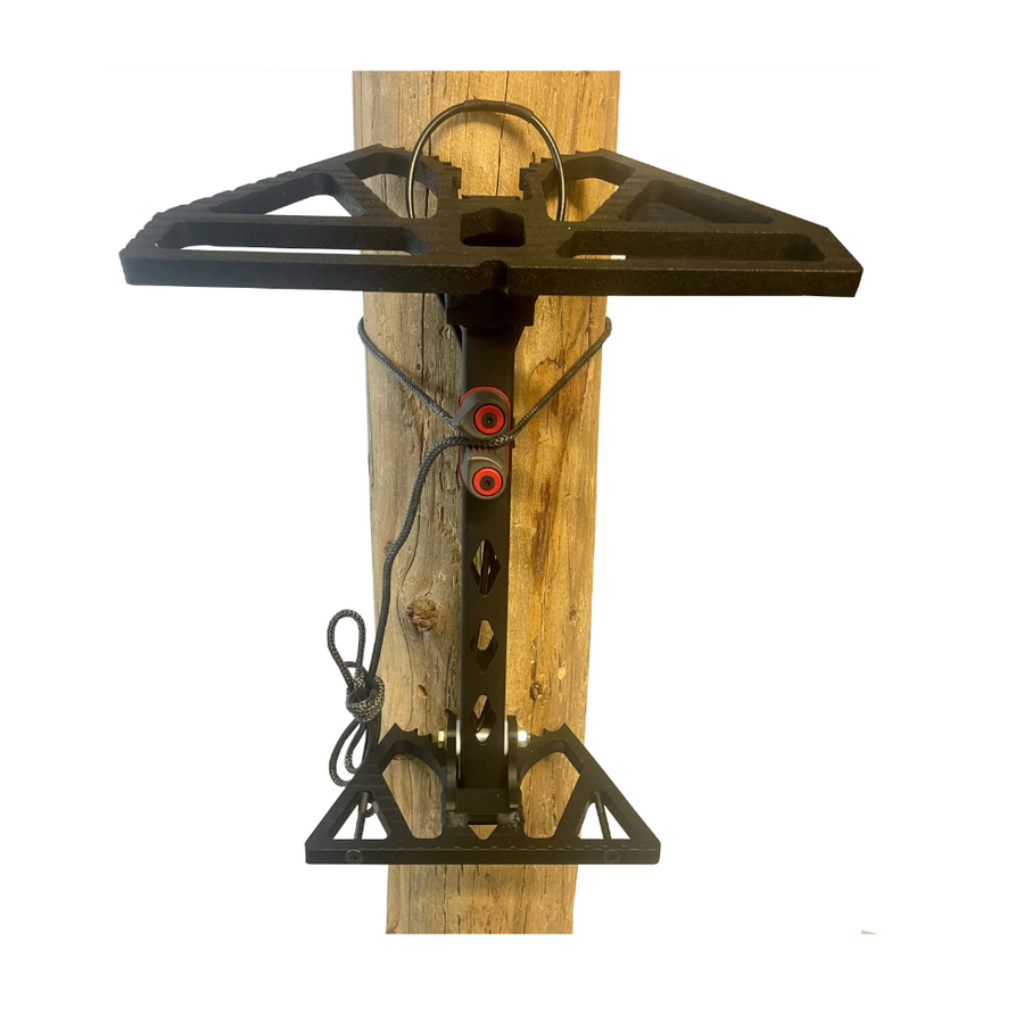
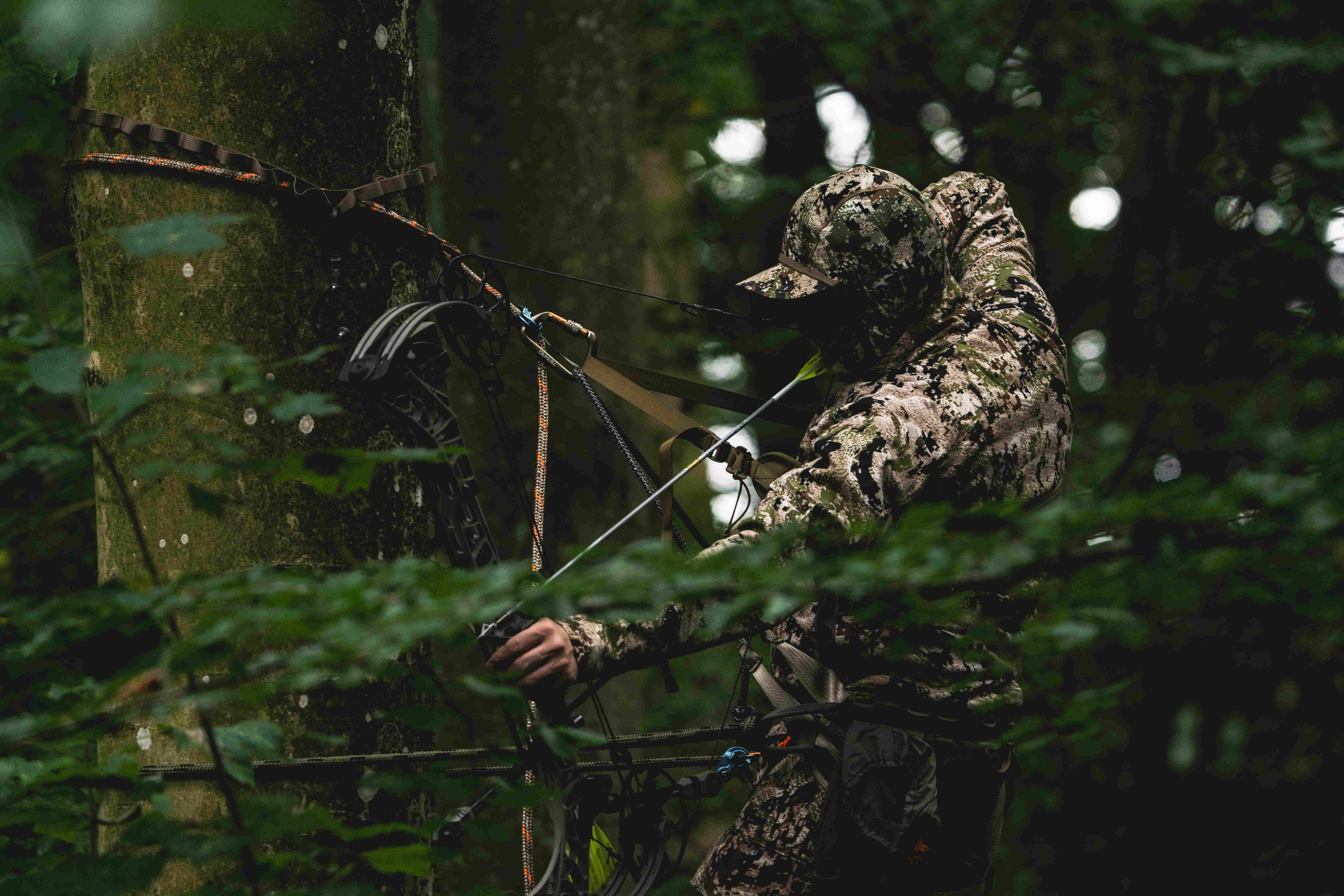
- climbing stick contact points
- platform edges where accessories may tap
- buckles and metal hardware
- gear hangers and hooks
- camera-arm contact points
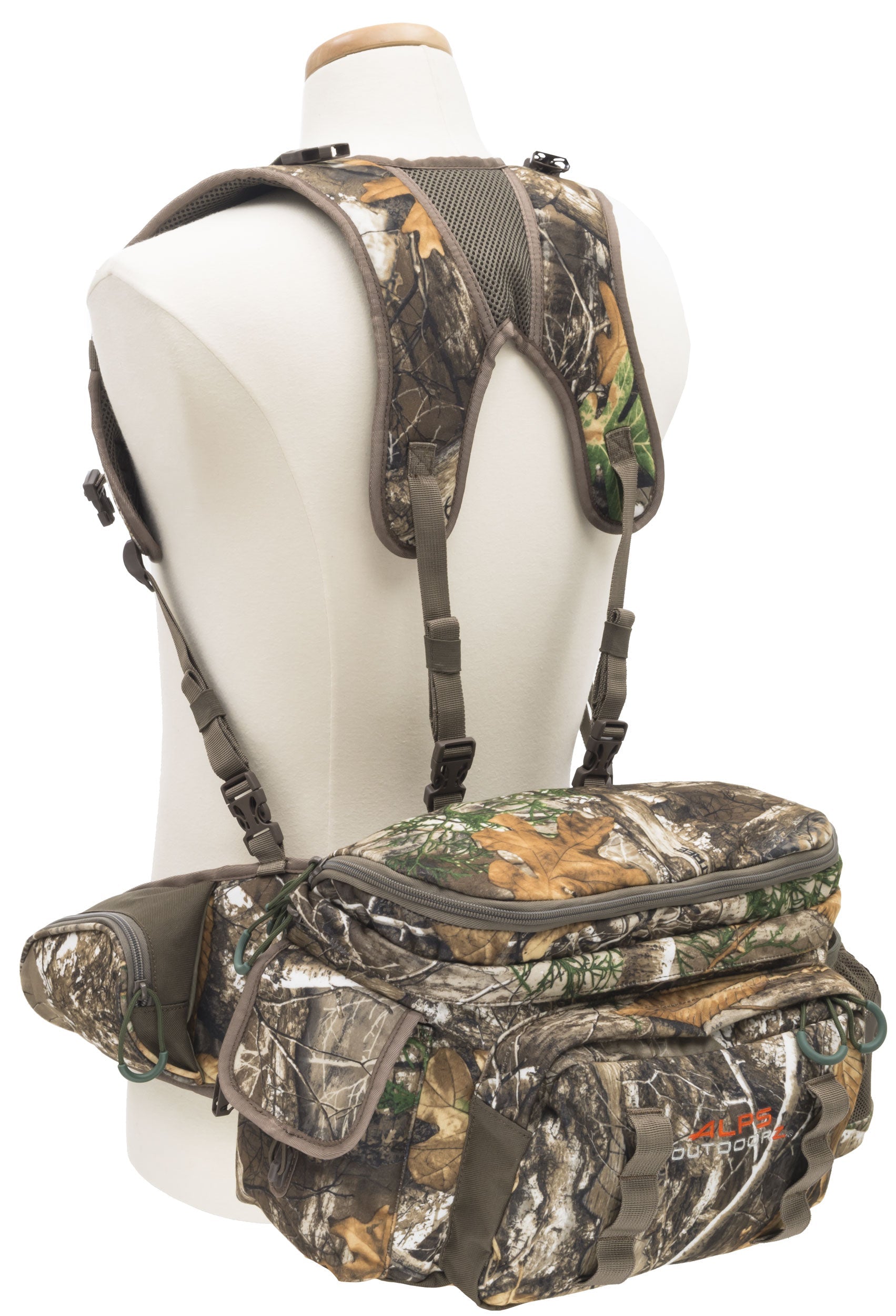
- small rattling accessories stored in packs or pouches
The goal is not to wrap every visible surface. The goal is to identify the parts that actually create noise or repeated wear and solve those specific friction points first.
How to apply silencing tape for best results
Applying silencing tape is simple, but doing it well makes it last much longer and work more effectively.
- Clean the surface: remove dirt, dust, oil, or moisture before applying the tape.
- Dry the area fully: tape bonds better to a dry surface than to damp gear.
- Wrap contact points, not random areas: focus on where real noise happens.
- Press the tape down firmly: smooth it along the surface so edges do not lift early.
- Check it after field use: if the tape lifts, collects debris, or starts peeling, replace it before the next hunt.
A careful application lasts longer and looks cleaner than a rushed wrap job. It also makes the gear easier to inspect later.
What silencing tape does beyond noise reduction
One of the most overlooked benefits of silencing tape is that it helps protect gear from repeated small impacts and rubbing. A buckle that taps a stand every hunt is not only noisy. It also slowly wears the same spot again and again.
Tape can help reduce that kind of surface wear, especially on equipment that gets packed, unpacked, and strapped together repeatedly. It is not a replacement for strong materials or good gear design, but it is a practical layer of protection where the setup sees regular friction.
Common mistakes when using silencing tape
The most common mistake is wrapping too much without understanding where the actual problem is. That can add bulk, trap moisture, and make the setup look more "fixed" than it really is.
Other common mistakes include:
- applying tape on dirty or wet surfaces
- ignoring worn tape for too long
- covering moving or locking parts too heavily
- using tape to hide a bigger setup problem instead of fixing the root cause
If a part is constantly shifting because it is poorly secured, tape may reduce the sound for a while, but the better solution is usually to stabilize the gear more effectively.
How often should you replace silencing tape?
That depends on how often you hunt and how rough the conditions are. Tape used in wet weather, repeated freezing conditions, or heavy transport wear will need more frequent replacement than tape used lightly in dry conditions.
A simple rule works well: inspect it before the season, check it again after hard use, and replace it whenever it stops lying flat or doing its job. Fresh tape is inexpensive compared with the annoyance of preventable setup noise.
How silencing tape fits into a quieter hunting system
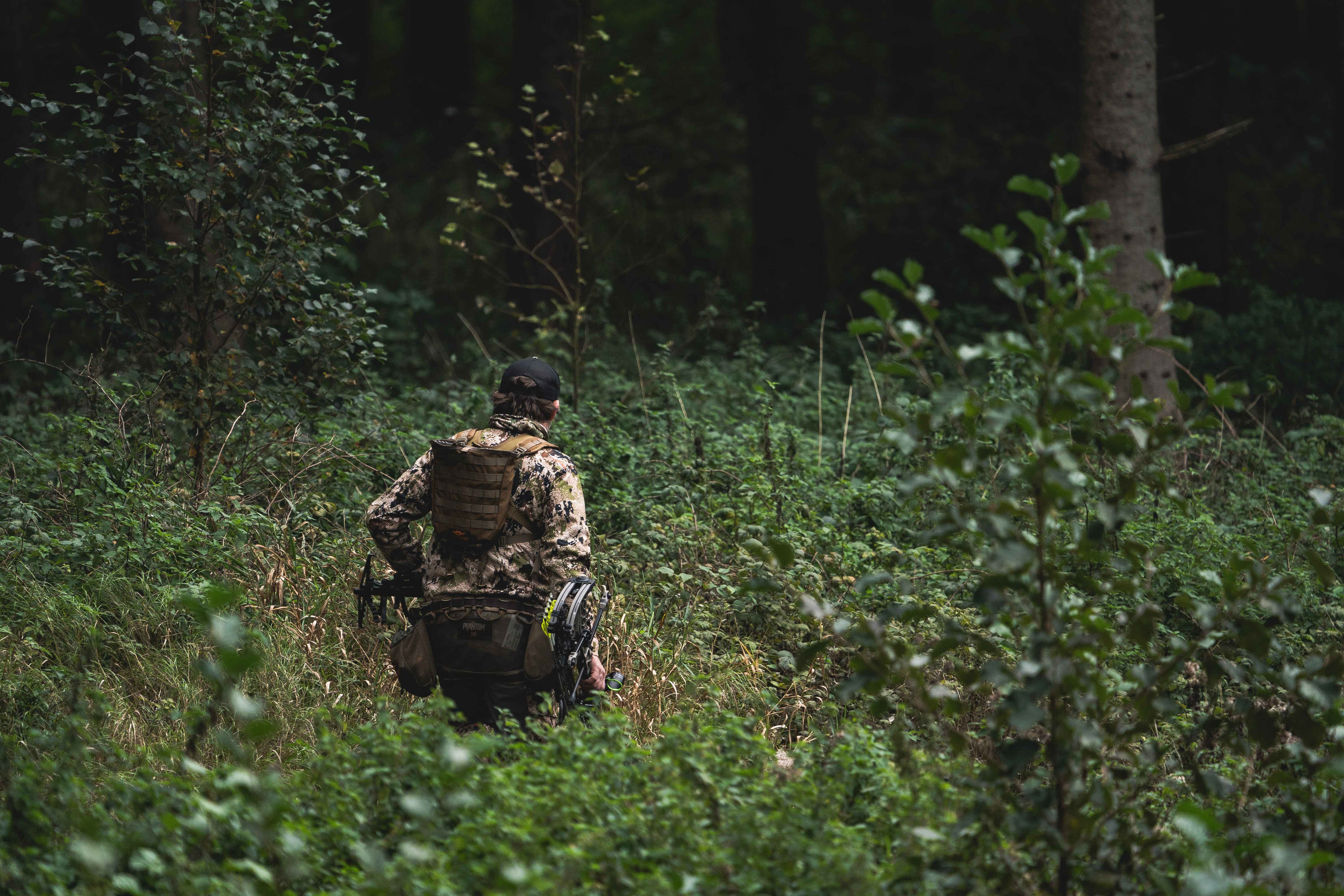
Silencing tape works best as part of a broader gear-management habit. It helps when the rest of the system is also organized, packed carefully, and checked before the hunt. If the setup is messy, tape can help, but it will not fix every noise source on its own.
If you are trying to build a quieter overall setup, it also helps to read Silencing and Organizing Your Tree Setup: The Mobile Hunter's Guide and Bow Hoist Rope Guide: What to Look for in a Treestand or Saddle Setup. Those articles show how tape fits into a broader quiet-setup workflow.
The practical answer
So what is silencing tape used for? It is used to reduce avoidable gear noise, protect high-contact points, and make a hunting setup feel quieter and more deliberate. The best results come when you use it selectively, apply it cleanly, and treat it as one part of a better-organized gear system.
It is a small upgrade, but it often solves the kind of problems that hunters notice every single trip once they start paying attention to setup noise.
FAQ
Does silencing tape only work on metal?
No. It is most commonly used on metal contact points, but it can also help on plastic or other hard surfaces where rubbing or tapping creates noise.
Should I wrap all my gear with silencing tape?
No. Focus on real contact points and noise sources. Wrapping everything usually adds bulk without solving the setup intelligently.
How do I know where to apply it first?
Start with the parts that move, tap, or rub during normal transport and use. If a piece regularly creates noise in the field, that is the first place to look.