Overnight Backpacking for Bowhunters: A Practical Guide
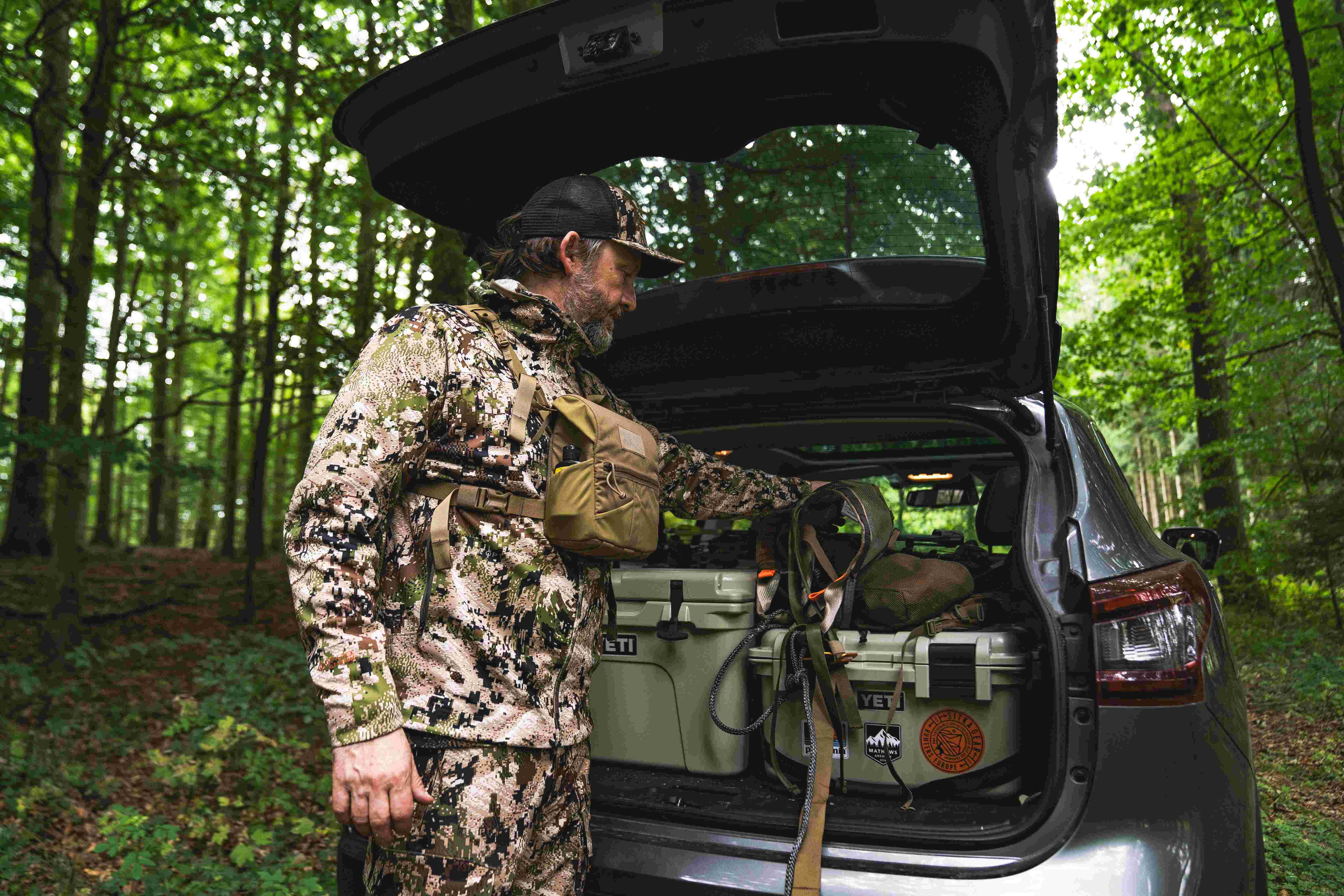
Stepping away from the truck and into the backcountry for an overnight bowhunting trip is one of the most rewarding ways to hunt. But the setup only works well if the gear is chosen with discipline. An overnight bowhunting pack has to balance shelter, sleep, food, water, and field usefulness without becoming a burden before the hunt even starts.
Key takeaways
- Overnight bowhunting is usually won or lost by load management, not by adding more gear.
- Your pack needs to carry both your camp system and, if successful, part of the harvest load.
- Sleeping system, pack support, and practical shelter choice do more to shape the trip than small gear extras.
- The right overnight setup is built around realistic use, not a "just in case" packing mindset.
- Test the overnight system before a serious hunt so that weak points show up close to home, not deep in the field.
Why overnight bowhunting changes the gear decision
A normal day hunt gives you room to forgive a few small gear mistakes. An overnight hunt does not. Extra weight, poor organization, and a weak carry system all become more obvious once you are carrying camp, food, water, and hunting gear at the same time.
That is why overnight backpacking should be treated as a different problem, not just a bigger version of a day hunt. The pack has to support the hike in, the hunt itself, the night in the field, and the possibility of carrying meat on the way out. That combination changes what matters most.
Start with the pack, not the accessories
The pack is the foundation of the whole system. If the carry platform is wrong, the rest of the gear becomes harder to manage. A proper overnight bowhunting pack needs enough volume for the trip, but just as importantly it needs the support to handle a heavier load without collapsing into your shoulders and back.
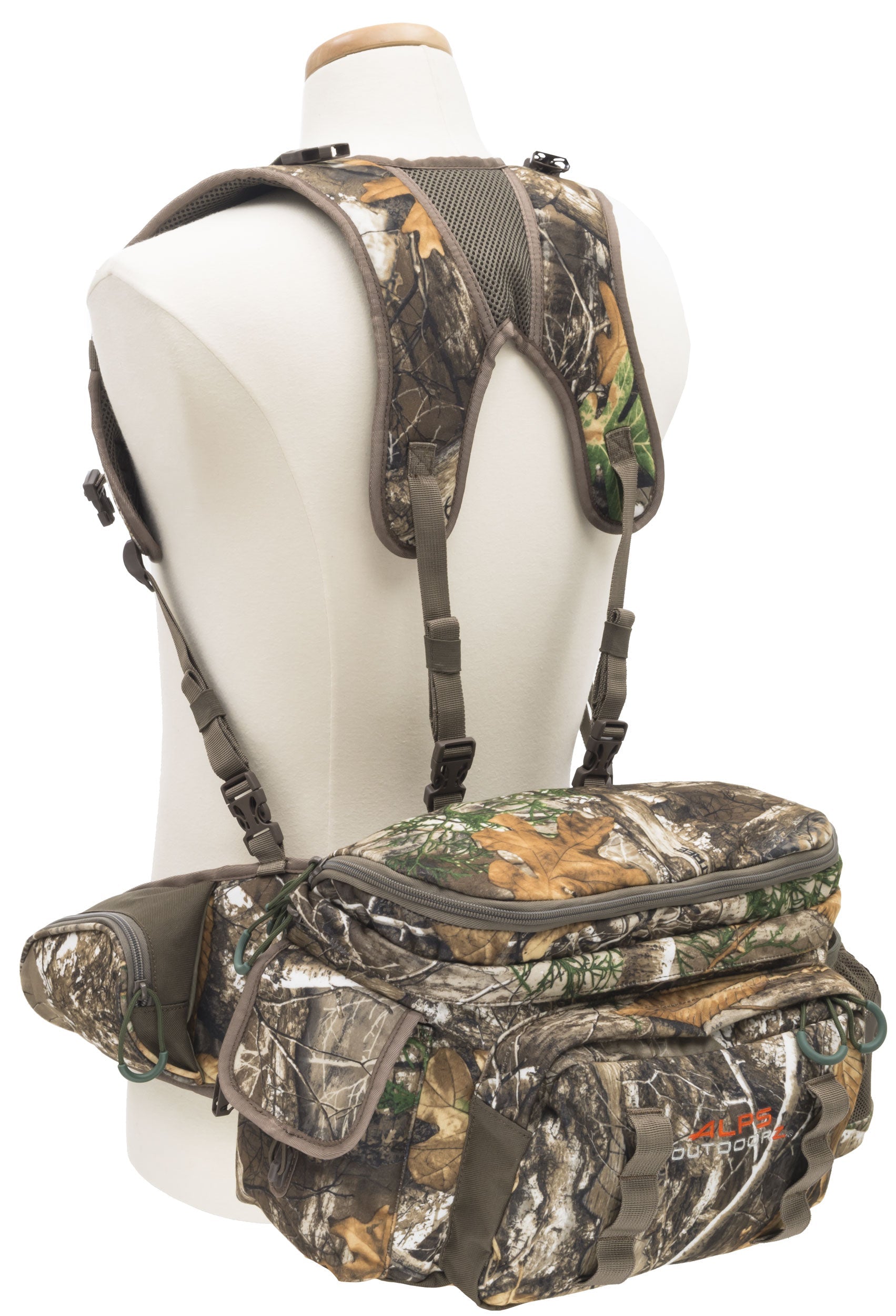
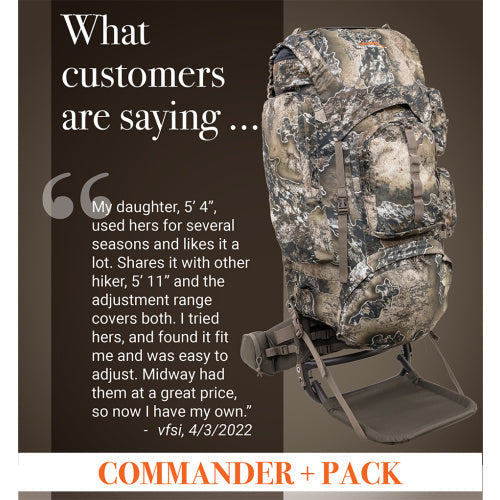
The Alps Outdoorz Hybrid X is relevant here because it fits the kind of overnight and hauling crossover many bowhunters need. A hunter looking at a true overnight setup should think carefully about whether the pack can handle both the approach and the carry-out if the hunt goes well.
The sleeping system matters more than people expect
Many hunters think mostly about the pack and forget that the sleeping system controls comfort, recovery, and the size of the overnight load. If the sleeping setup is too bulky or too specialized for the conditions, the whole system gets harder to manage.
That is why modular sleep systems make so much sense. The Snugpak collection is relevant because it supports that more flexible approach. On an overnight bowhunting trip, the ideal sleep system is usually not the biggest one. It is the one that handles the expected conditions without taking over the whole pack.
Shelter should stay practical
For overnight hunting, shelter choice should follow the same logic as the rest of the setup: enough protection to do the job without turning the kit into a burden. The goal is to stay functional, not to build a campsite with the comfort level of a weekend leisure trip.
A simple shelter that sets up quickly and does not add unnecessary complexity is usually the smarter answer. Ease of use matters more once the weather turns, the light fades, or you arrive tired and still need to stay organized.
Why load planning beats pack size alone
One of the most common mistakes in overnight bowhunting is assuming that the solution is simply a larger pack. In reality, the better answer is usually a better-planned load. A large pack with poor discipline becomes an invitation to carry too much. A well-planned overnight system is lighter, cleaner, and easier to hunt out of.
Think in categories:
- sleep and shelter
- food and water
- clothing layers
- hunting essentials
- safety and emergency items
Once those categories are clear, it becomes much easier to judge what belongs on the trip and what is only coming along because it feels reassuring at home.
Common overnight mistakes bowhunters make
- overpacking food: bringing more volume and weight than a one-night trip really needs
- bringing a weak day pack: hoping it will somehow stretch into a safe overnight haul system
- ignoring water planning: carrying too much because sources are unknown, or too little because the route was guessed poorly
- treating the hunt like camping: adding comfort items that do not meaningfully help the hunt
- not testing the pack under load: discovering late that the system feels wrong only when filled
Most of these mistakes do not look dramatic at the truck. They become obvious once the trip is underway.
How overnight compares with a long day hunt
The line between a long day hunt and a true overnight setup matters. Some hunters are really looking for a stronger one-day or very long-day carry system rather than a true overnight rig. If that is the case, it may also help to compare this article with What Should You Look For in a Pack for Longer Bowhunting Trips? and What Makes a Good Bowhunting Pack for Day Hunts?.
That comparison helps clarify whether you need a true overnight system or just a stronger longer-day hunting pack.
How to test your overnight setup before a real hunt
The smartest way to refine an overnight setup is to test it before the trip matters. A one-night practice run near home often reveals more than hours of online research. You quickly learn whether the pack fits, whether the sleep system is realistic, and whether your load plan is too optimistic.
That test should include carrying the pack with realistic weight. A pack can look perfect in the house and still feel wrong under field load. The goal is not just to see if everything fits. The goal is to see whether the system still works when you are tired and the gear is actually being used.
The practical answer
Overnight backpacking for bowhunters works best when the system is built around realism. Choose a pack that can carry the load properly, build a sleep and shelter setup that matches the conditions without excess, and keep the full kit focused on what the trip actually demands.
The right overnight setup should help you hunt better by getting you farther in and keeping you functional, not by turning the trip into a contest to carry the most gear. When the load is disciplined and the system is tested, overnight bowhunting becomes much more practical and much more rewarding.
FAQ
What matters most in an overnight bowhunting pack?
Load support, realistic capacity, and how well the pack handles both hunting gear and the possibility of a heavier carry-out.
Is a normal day-hunt pack enough for overnight bowhunting?
Usually not. Most overnight hunts need more structure, better support, and more realistic load planning than a standard day-hunt pack can offer.
What is the biggest overnight mistake?
Overpacking. Extra weight that does not serve the actual trip usually becomes one of the biggest problems in the field.