The Essential Guide to One-Day Hunting Backpacks
For many hunters, the most productive days are the ones spent covering ground quickly and efficiently. A one-day hunting backpack should help with exactly that. It needs to be light enough to keep you mobile, organized enough to keep your essentials easy to reach, and practical enough that it supports the hunt instead of becoming one more thing you fight during the day.
Key takeaways
- A one-day hunting pack should be built around the actual gear load of a day hunt, not the biggest possible trip you can imagine.
- Good organization is about fast access to the items you use most, not about adding endless pockets.
- Comfort and stability matter even on a lighter pack because a poor carry system becomes frustrating over a full day.
- The right day pack should stay clean and compact enough that it does not fight your movement in the field.
- A dedicated hunting day pack often works better than a general outdoor bag because the layout usually fits field use more naturally.
Why one-day hunting packs matter
A day pack is not just a smaller version of a multi-day hunting pack. It solves a different problem. The main goal is speed, mobility, and useful access during a hunt that begins and ends on the same day. That changes how the pack should be judged.
You do not need overnight capacity, but you do need room for the things that make a real hunting day work: layers, water, optics support, small tools, food, and other essentials. The better the pack handles those items, the easier the hunt feels from start to finish.
Start with realistic capacity
A one-day hunting backpack should have enough room for your actual day-hunt load without inviting you to overpack. Too little room creates frustration. Too much room creates clutter and wasted movement.
That is why many hunters do best with a compact day-pack format. The right size usually feels like enough for the day without becoming a larger carry system than the outing really needs. For a hunting backpack, the useful range is often less about maximum liters and more about whether the layout fits the gear you truly use.
Why organization matters more than most people think
Many pack problems show up only when you need something quickly. Gloves, calls, release aid, snacks, small tools, or optics support should not be buried at the bottom of one large compartment. If you keep stopping to dig through the whole bag, the pack is already working against you.
That is why good organization matters so much on a one-day hunt. A useful pack helps you stay in rhythm. It keeps the hunt moving instead of turning every small task into a search.
Comfort still matters on a day hunt
Some hunters underestimate comfort because they are not carrying a huge overnight load. But a poor day pack can still become irritating over several hours. If the pack shifts too much, rides badly on the shoulders, or feels awkward when moving through cover, you will notice it all day.
A practical day pack should sit close to the body, move naturally, and stay manageable even when filled with your real load. The goal is to make the pack feel like part of the hunt rather than a separate problem hanging on your back.
Useful Alps options to compare
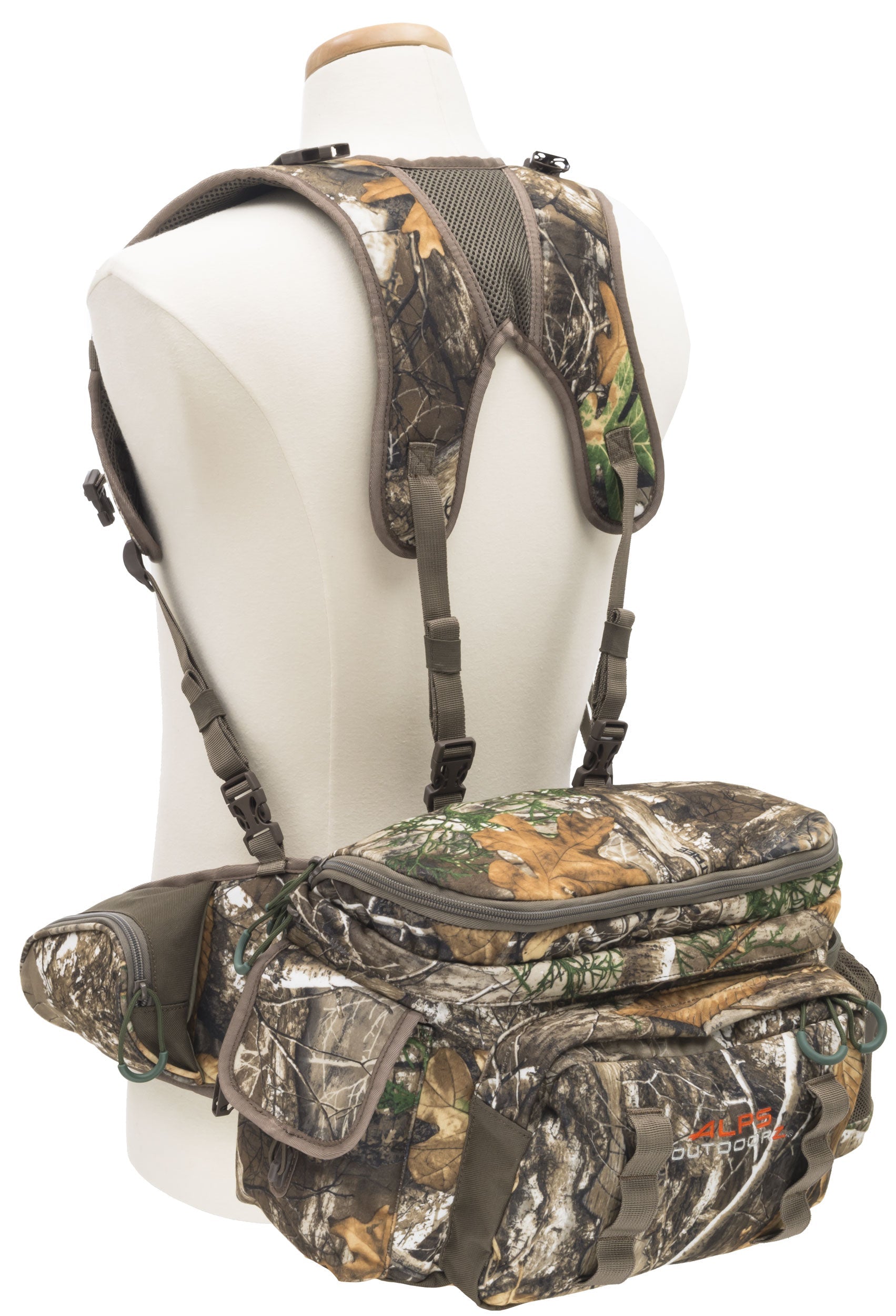
If you want real products to compare, the Alps Outdoorz Pursuit is a good place to start for a more hunting-specific layout. The Alps Outdoorz Impulse is relevant if you want a lighter and faster-moving option. Both fit the logic of a one-day hunting pack better than a much larger hauling system.
The right choice depends on how much gear you carry and how structured you want the setup to feel, but both sit naturally inside the one-day hunting category.
How a day pack differs from a larger hunting pack
A one-day hunting backpack should be judged differently from a larger overnight or hauling system. The goal is not to prepare for multiple nights out or the maximum possible field load. It is to create a cleaner, lighter, more useful day-hunt system.
If your hunts regularly stretch further in time or gear volume, it may also help to compare this article with What Makes a Good Bowhunting Pack for Day Hunts? and What Should You Look For in a Pack for Longer Bowhunting Trips?. That comparison often makes it much easier to see whether you need a true day pack or a more supportive longer-trip system.
Common mistakes hunters make with day packs
- choosing too much pack: larger volume than the hunt really needs
- chasing features over function: more compartments but worse real access
- ignoring carry comfort: assuming a lighter load means fit does not matter
- packing without a system: letting high-use items disappear into the main compartment
- buying for rare edge cases: instead of the hunts you actually do most often
The best day packs are often the ones that feel almost boring in the best possible way: they just work, quietly and consistently.
How to choose the right one
Start by thinking about your real hunting day. How much do you carry? How often do you reach for extra layers? How much walking do you usually do? Do you want a cleaner minimalist pack or a more structured hunting layout?
Once those answers are clear, the right pack becomes much easier to spot. The better choice is usually the bag that fits your normal hunt well, not the bag that only seems useful for one unusual scenario.
The practical answer
The essential guide to one-day hunting backpacks is simple: choose a pack that matches the real hunt, keeps your high-use gear accessible, and stays comfortable enough that you stop noticing it during the day. A good day pack should support movement, not add drag to it.
When the size, layout, and carry all fit the way you actually hunt, the pack becomes a practical tool instead of unnecessary baggage. That is what separates a merely acceptable day pack from one that truly works in the field.
FAQ
How big should a one-day hunting backpack be?
Big enough for your real day-hunt load, but not so big that it encourages unnecessary gear and wasted space.
Do I need a hunting-specific day pack?
Not always, but a hunting-focused layout often makes organization and field access easier.
What matters most in a day-hunt backpack?
Useful access, stable carry, realistic size, and a layout that supports the way you actually hunt.